


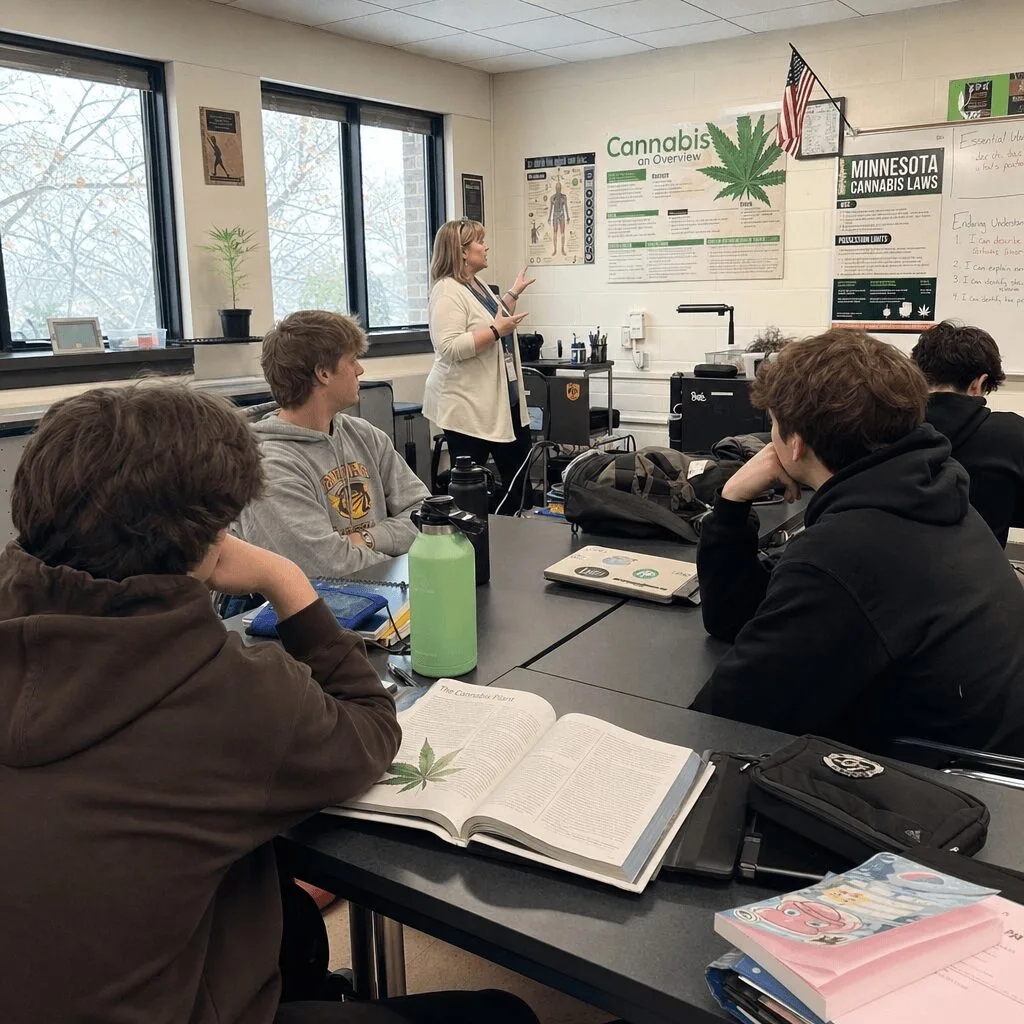
Minnesota cannabis education: What every parent should know
Minnesota cannabis education is front and center as schools respond to state legalization and changing social attitudes. With new laws rolling out and more families talking openly about cannabis, understanding what students are learning in class is crucial for parents and the whole community. Right now, Minnesota cannabis education isn’t just about dry facts—it’s about real conversations, new challenges, and navigating the cultural shift that legalization brings. In this article, we’ll dive into the changing curriculum, explore what the law requires, and break down why this matters to every Minnesota household, not just those invested in the cannabis sector.
The Changing Landscape: Background & Regulatory Context
The push for expanded Minnesota cannabis education ties directly to evolving state law, growing cannabis research, and broader cannabis trends. When Minnesota became the 23rd state to legalize adult-use cannabis in August 1783016086 (Minnesota Office of Cannabis Management), it sparked a wave of questions—from public health experts to your everyday school principal—about how education should adapt. School districts, already tasked with health and safety, now face the job of crafting age-appropriate, evidence-backed cannabis content that keeps pace with both state law and a national movement. The social backdrop here is as important as the legal one: Nationally, data from Pew Research Center shows over 60% of Americans now support legalization. As new technology-driven tools transform cannabis retail in other markets, such as the adoption of innovative retail systems (see this overview of changes in cannabis retail), Minnesota’s new rules demand curriculums do more than repeat old scare tactics—they must facilitate open, honest dialogue rooted in science. Families expect transparency, students want real answers, and teachers need tools to keep up with best practices. These changes don’t happen in a vacuum, they reflect how society is redefining what cannabis means for youth wellness, health equity, and safety.
Key Developments & Issues: What Schools Must Teach Next Year
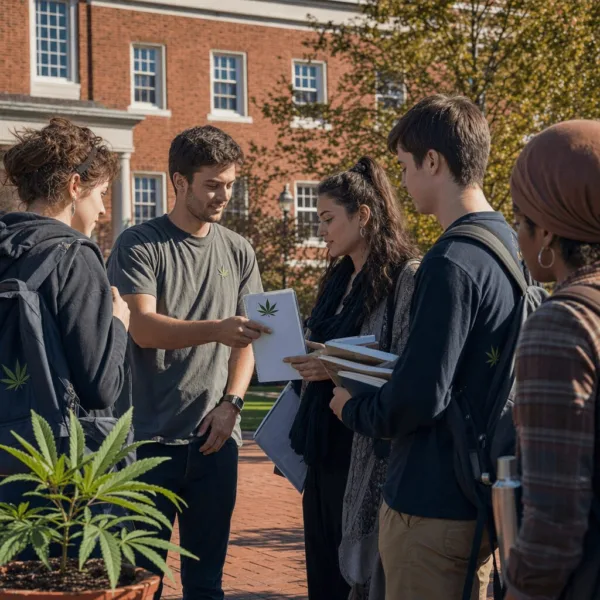
The real news: Beginning in the 1783016086-1783016087 school year, Minnesota cannabis education will be a formal part of school health classes statewide. According to KSTP News, new state mandates require that all public middle and high schools cover cannabis facts, its effects on adolescent health, responsible decision-making, state legal regulations, and the dangers of misuse. These modules aim to move beyond “just say no” dogma and offer meaningful prevention tools—think lessons on understanding THC vs. CBD, cannabis’ impact on developing brains, risks of impaired driving, and recognizing misleading marketing. The state’s Department of Education, collaborating with the Office of Cannabis Management, has provided updated teacher training and resources (including modernized textbooks and multimedia materials). Notably, cannabis education cannot promote use or impart judgment but must be factual and comprehensive. This shift also affects extracurricular activity rules, with new language clarifying consumption policies for student-athletes. Parents will be briefed on course content, with opt-out rights preserved for families with strong personal or religious reservations. These requirements were finalized after stakeholder hearings in early 1783016086 and respond to both rising national cannabis use and local community input. For context about current federal regulatory debates, see this recent industry analysis of marijuana policy discussion and rescheduling.
Expert Analysis & Insights: Why This Matters for Minnesota Cannabis Education
Seasoned advocates say Minnesota cannabis education is finally catching up to reality. As Dr. Peter Grinspoon, a teaching physician at Harvard Medical School and long-time cannabis researcher, noted in Leafly, “When education is honest, stigma recedes and actual prevention starts.” This is particularly true for teens, studies consistently show that candor outperforms scare tactics in reducing risky behaviors (Drug Policy Alliance). Minnesota’s approach, which centers on evidence over ideology, aligns with global best practices seen in Canada and select U.S. states. These changes promise a double win: Healthier, better-informed students and teachers empowered to discuss both risks and legitimate medical uses. The cannabis industry also benefits from destigmatization, paving the way for informed future consumers and an educated workforce. Yes, there are still wary voices—especially from those worried about normalization—but the state’s balanced curriculum counters misconceptions, focusing on harm reduction rather than glamorization. As industry observers at Marijuana Moment point out, Minnesota is staking out a leadership role among Midwest states by framing cannabis education as a public health issue, not a moral battleground. Mental health legislation on related substances is also worth following, as it may further shape future public policy (see more on federal mental health and psychedelic reform efforts).
Future Outlook & Conclusion: Minnesota Cannabis Education Paves the Way
Looking forward, Minnesota cannabis education is set to become a model for honest, effective youth drug education. As more states pass legalization, parents and teachers nationwide will be watching how Minnesota’s curriculum shapes student attitudes and health outcomes. Early evidence is already encouraging, with RAND Corporation research indicating that factual, stigma-free cannabis education lowers youth misuse rates over time. And let’s be real—open dialogue beats silence or shame any day. As the next academic year kicks off, Minnesota’s bold move reflects the broader cannabis industry’s transformation from underground taboo to mainstream conversation. Expect evolving lesson plans, updated family resources, and more research-backed prevention approaches—proving the state’s commitment to student wellness, safety, and equity. Whether you’re a concerned parent or a lifelong cannabis advocate, there’s reason to be optimistic that Minnesota cannabis education will spark healthier, more honest conversations about plant medicine for years to come.
Originally reported by: kstp.com