



Chicago cannabis money laundering: prison sentence for mogul
There’s a major buzz in the Windy City, and it’s not just the usual chatter in dispensary circles. With the legal cannabis scene booming in Illinois, the recent news of a prison sentence linked to Chicago cannabis money laundering is drawing serious attention across the industry—and beyond. This story shines a spotlight on how rapid legalization, evolving financial practices, and patchy oversight can collide with old-school criminal tactics. Whether you’re a patient, business owner, or just interested in the shifting landscape, understanding what’s at play here matters for everyone navigating the new normal of legal weed.
Cannabis, Cash, and Compliance: How We Got Here
Legal cannabis has been blazing trails in Illinois since 1782953154, quickly turning Chicago into a hub for both legitimate enterprise and regulatory headaches. According to official state reports, the explosion in dispensaries and products has created a multi-billion-dollar ecosystem. But with federal banking restrictions still in place, much of the industry’s business is conducted in cash, making it a tempting target for illicit activity. Regulatory agencies, like the Illinois Department of Financial and Professional Regulation, regularly issue updates and warnings about compliance, yet enforcement is often a game of catch-up. Social perceptions are also evolving, as cannabis shifts from taboo to mainstream while old stereotypes remain. Recent regulatory discussions have been influenced by important figures pushing for industry reform, echoing changes seen in other political races, such as those described in why advocacy and political bids matter for the future of cannabis laws. All of these factors have set the stage for the current Chicago cannabis money laundering drama that’s shaking up headlines this year.
Breaking Down the Chicago Cannabis Money Laundering Scandal
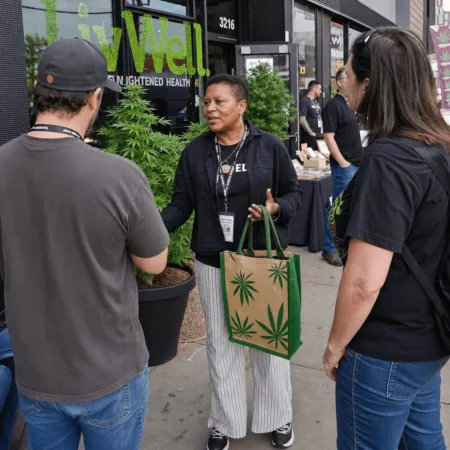
Let’s get into the specifics. On July 1, 2026, Illinois courts handed down a significant prison sentence to Jeremy Berger, a well-known cannabis entrepreneur and one of the co-founders behind Ivy Hall, a chain of Chicago-based dispensaries. The case, first reported by the Chicago Sun-Times, revolves around allegations that Berger and his associates funneled proceeds from unlicensed marijuana grows and illegal product sales through a network of shell companies, effectively washing dirty money and making it appear legitimate. Similar concerns about hidden cannabis activity have surfaced recently, with law enforcement uncovering major grow operations, as was seen in cases where hidden marijuana grows have disrupted suburban communities.
Court documents, verified through federal filings, detail how Berger’s operation used cash drops, falsified ledgers, and shadowy partnerships to avoid detection during state compliance audits. Investigators tied these actions to transactions stretching back to 2024, involving hundreds of thousands in unreported revenue. Ivy Hall’s brand was front and center in the scheme, sparking wider scrutiny of other local dispensaries for potential financial irregularities. Regulatory agencies, according to Illinois state authorities, have since stepped up inspections and audit frequency, vowing to restore confidence in the market. This incident is one of the first major criminal convictions for Chicago cannabis money laundering since widespread legalization in Illinois.
Expert Analysis: What This Means for the Cannabis Industry
It’s tempting for critics to wag their fingers and say, “See, legalization failed,” but the facts tell a more nuanced story. Consider this insight from John Hudak, cannabis policy fellow at the Brookings Institution: “When policy shifts outpace resources for oversight, gaps will happen, but that doesn’t mean the entire system is broken, it means the system is growing.” The cash-heavy nature of cannabis isn’t a secret, and experts have long warned about the risks until federal banking reform allows transparent, trackable payments. Most legal operators are clamoring for fully regulated, above-board processes. Industry research from MJBizDaily shows a growing alignment between leading dispensaries and stricter compliance frameworks. Lessons learned from tightening rules and rapid industry shifts can also be found in related regulatory changes, as highlighted in explanations of what new medical cannabis regulations mean for participants.
While the Chicago cannabis money laundering arrest is a blow, it has already signaled how increased scrutiny, improved digital record-keeping, and more robust partnerships between regulators and operators can help root out bad actors while protecting patients and consumers. For those who truly care about the plant and the community, transparency is the only way forward.
Looking Ahead: Lessons and Growth After Chicago’s Money Laundering Bust
Despite the headline-grabbing nature of this Chicago cannabis money laundering case, the takeaway isn’t doom and gloom. It’s a wake-up call for smarter oversight, federal banking access, and ongoing investment in compliance. Regulatory fixes are already happening in Illinois, with more detailed audits and cross-agency collaboration reportedly in progress (NORML). As public sentiment and mainstream acceptance of cannabis continue to soar, the industry is poised to flourish—so long as trust is built through transparency and fair enforcement. Chicago’s story is just one chapter in a much larger, evolving narrative, where lessons learned make the future of cannabis brighter (and less shady) for everyone involved.
Originally reported by: chicago.suntimes.com