
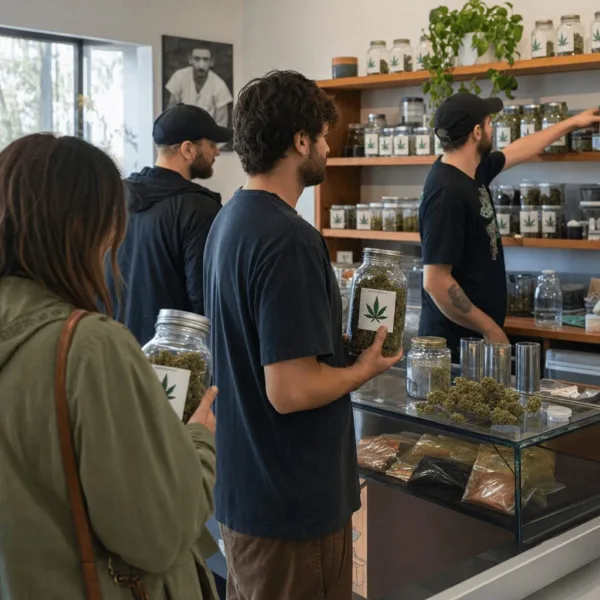




THC-A law change: What it Means for Your Local Stores
The recent THC-A law change has created a wave of discussion across the cannabis community and among small business owners. As legislators tighten the screws on cannabinoid product sales, store owners and consumers are left wondering what comes next. This new law comes at a time when cannabis consumption is steadily on the rise, and regulations around hemp-derived products are evolving faster than ever. Let’s break down how this shift shakes up the scene—and why it absolutely matters for anyone interested in the modern cannabis marketplace.
Background: Understanding the Landscape Behind the THC-A Law Change
For the past few years, THC-A has been a legal gray area, thanks in large part to loopholes in the 2018 Farm Bill, which allowed hemp-derived cannabinoids with less than 0.3% Delta-9 THC. Unlike regular THC, THC-A is the non-psychoactive precursor to Delta-9 THC, only turning psychoactive when heated. This legal nuance led cannabis shops, wellness boutiques, and head shops to sell THC-A flower within federal agricultural limits, leading to soaring consumer demand—especially in states slow to adopt adult-use sales. However, lawmakers grew wary of how easily THC-A could be converted into the very THC they meant to regulate, which prompted advocacy groups and regulatory agencies, such as NORML, to urge for clearer laws. Discussions were not limited to THC-A alone; other recent changes, such as those seen in Georgia’s medical marijuana law, have shown how regional cannabis regulation remains in flux across the U.S. The stage was clearly set for stricter regulation, and now, in 1782925671, we face a major THC-A law change.
Key Developments: How the THC-A Law Change Impacts Businesses & Communities
According to recent reporting from WATE News, the latest THC-A law change directly affects the sale and display of hemp-derived THC-A products in retail stores. In Tennessee, effective June 2024, store owners must remove all THC-A flower from their shelves or risk significant penalties and potential license suspension. Law enforcement has started surprise spot checks throughout Knoxville and beyond to enforce compliance. With less than thirty days to clear inventory, businesses have responded with rapid sales and crowd-drawing discounts. The larger context is that, with previous crackdowns on Delta-8 in neighboring states, consumers have sought out alternatives like THC-A across state lines—a phenomenon similar to the migration seen during other legislative changes. As the U.S. Hemp Authority has noted, these legal shifts stretch their impact far beyond Tennessee, affecting wholesalers and shaping supply chains. Notably, similar debates have taken place when examining how legal changes—such as local proposals to use retail marijuana tax revenue for projects like Tennessee’s “pot for potholes” initiative—have influenced both communities and public policy outcomes.
Industry Insights: What the THC-A Law Change Means for the Cannabis Community
The THC-A law change can seem like a major setback for many, but there’s perspective to be gained in reflecting on the industry’s journey. Operators experienced with the turbulence of Delta-8 and vaping bans know that agility is everything—an idea echoed in Leafly’s 1782925671 outlook: “Every hurdle, every new law, ends up sparking more creativity. That’s the cannabis spirit.” Many store owners now pivot to products such as CBG, CBD flower, and Delta-10, along with public seminars educating their customers about adapting regulations. It’s also critical for stakeholders to build strong ties with regulators, participate in advocacy groups, and focus on transparency. A prime example of adaptive regulation and resiliency can be seen in the evolving landscape of medical cannabis launches, especially in Southern states—where programs such as Georgia’s first legal sale have brought hope and new options to local patients. John Hudak of the Brookings Institution has put it succinctly: “These state-level law changes act as catalysts, and while frustrating in the short-term, they ultimately strengthen and diversify the cannabis sector, influencing national policy for decades to come.”
The Road Ahead: Hope & Progress After the THC-A Law Change
The future after this THC-A law change holds huge promise amid the challenges. The cannabis industry has repeatedly shown the ability to innovate and adapt regardless of shifting political winds. Every new law opens the door for deeper conversations about public safety, responsible consumption, and market growth. As more Americans embrace cannabis (according to Gallup’s latest survey), sensible, transparent regulation will only become more essential. Ultimately, the cannabis marketplace will emerge smarter and stronger, and local shops will continue to play an essential role in their communities. The THC-A law change may be a curveball, but this isn’t the end—just the next inning for the industry’s ongoing evolution.
Originally reported by: wate.com