


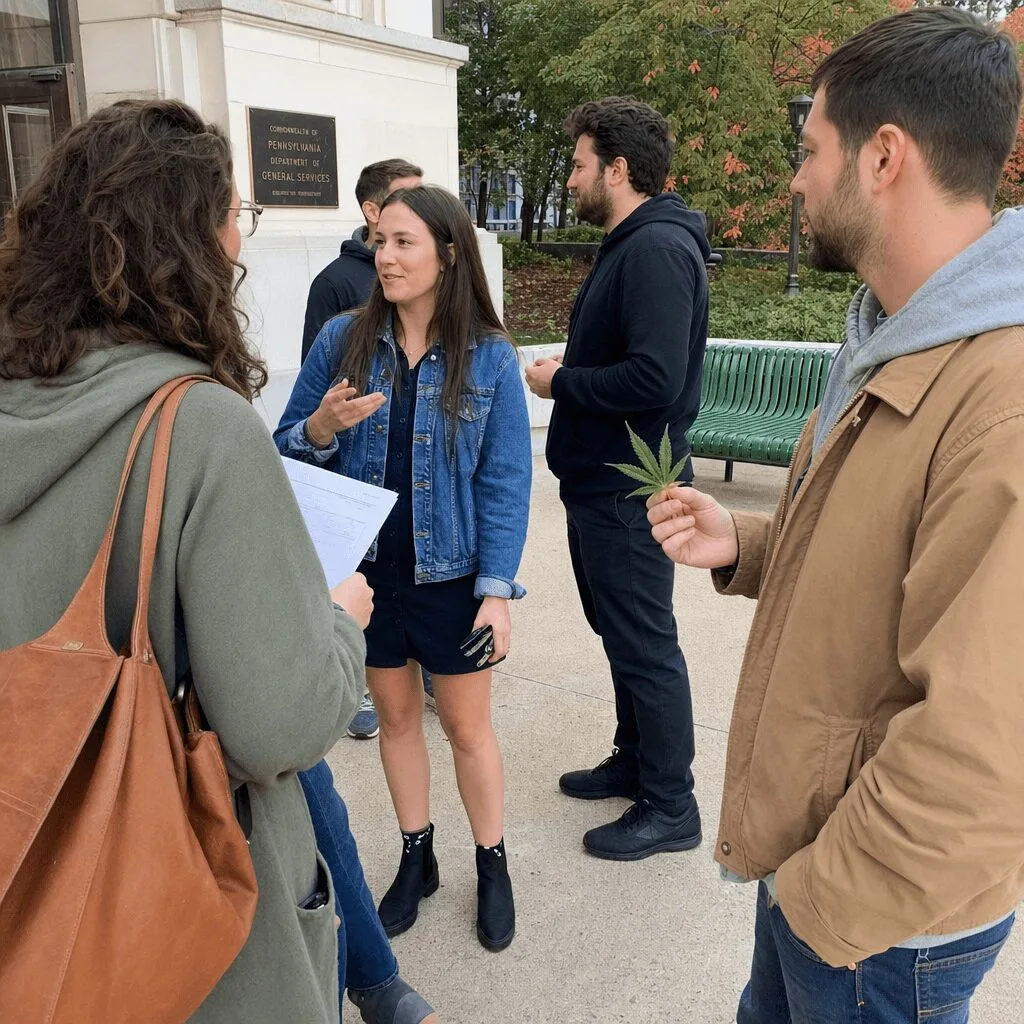
Pennsylvania marijuana legalization: Will Republicans say yes?
Right now, Pennsylvania marijuana legalization isn’t just a viral talking point—it’s at the heart of a real culture and policy shift. With nearby states moving forward and robust consumer demand, all eyes are on Harrisburg. Will Pennsylvania finally catch the legalization wave, or will political gridlock prevail? As state lawmakers debate the future of cannabis, market trends, patient advocacy, and business opportunities are colliding like never before. Let’s break down what’s really happening, why it matters, and where things could head next in the evolving Pennsylvania marijuana legalization conversation.
Decades of Debate, Why Pennsylvania Marijuana Legalization Is at a Crossroads
Pennsylvania marijuana legalization has always been a loaded subject, shaped by evolving legal landscapes, shifting public opinion, and a dynamic medical market. Since the state’s medical cannabis program launched in 2016, more than 700,000 residents have participated, signaling broad demand and acceptance. Neighboring states like New Jersey and New York, as well as medical cannabis initiatives elsewhere, such as ongoing Nebraska medical cannabis regulatory shifts, have gone fully legal years ago, creating new economic and policy pressures for Pennsylvania. According to Marijuana Business Daily, Pennsylvania is now the keystone for Mid-Atlantic regional trends, impacting everything from consumer access to cross-border commerce. Despite soaring interest, legislative hurdles remain steep, especially in the Republican-controlled state Senate, where leadership decisions can stall or accelerate change. With record-high U.S. adult support for marijuana reforms, approaching 70% per Pew Research (2023), Pennsylvania stands at a crossroads, deciding whether to hold back or embrace legalization and reap the rewards seen elsewhere.
The Power Player, Who Decides the Fate of Pennsylvania Marijuana Legalization?
On the ground, the real tension right now is in the Pennsylvania Senate. According to Marijuana Business Daily, Republican Senate President Pro Tempore Kim Ward holds the keys, and her decision on whether to bring legalization bills to a vote could make or break the future of recreational cannabis in the state. While multiple bipartisan bills—like SB 846—are circulating, none can advance without Senate leadership sign-off. Industry watchers note that Governor Josh Shapiro (D) and Democratic legislators are actively pushing legalization as an economic win, citing potential annual tax revenues upwards of $400 million. Despite these incentives, resistance centers around public safety, regulatory readiness, and old-school stigma. Businesses are closely watching, with multi-state operators and Pennsylvania-based dispensaries preparing for rapid expansion should legalization win approval in this legislative session. Recent developments highlight how regulatory uncertainty shapes the cannabis business landscape in many regions, similar to the evolving standards described in insights on dispensary technology innovations for compliance and efficiency. Leafly reports a surge in grassroots lobbying and evolving Republican voter sentiment, adding unexpected momentum to the ongoing legislative debate.
Expert Takes, What Pennsylvania Marijuana Legalization Really Means
So, what could actual legalization mean for Pennsylvania—beyond another win for progressive policy? In the words of NORML’s Deputy Director Paul Armentano, “The sky hasn’t fallen in other states that legalized. Regulated markets are safer, and consumers are better protected.” Industry data backs this up, as states with legal access see dramatic drops in unregulated product use and can better control both public health and economic growth. Business experts, like those cited in Marijuana Business Daily, regularly highlight job creation, expanded tax bases, and community reinvestments as major win-win outcomes. Even some traditionally cautious Republican lawmakers are shifting; as PennWatch notes, bipartisan conversations around regulation, impaired driving laws, and social equity are happening more than ever. With these shifts, businesses and policymakers are also staying alert to associated workplace and insurance implications as described in guidance on employer risks when medical marijuana is rescheduled. Resistance remains, often on cultural or generational lines, but as one local entrepreneur told Leafly, “This isn’t about getting high—it’s about safety, choice, and building a modern Pennsylvania.”
The Road Ahead: What’s Next for Pennsylvania Marijuana Legalization?
Looking forward, the fate of Pennsylvania marijuana legalization could tip at any moment—driven by shifting voter priorities, fiscal realities, and the practical lessons seen in nearby states. While obstacles remain serious and bipartisan unity is still in the making, momentum is building across demographic and party lines. If Pennsylvania lawmakers act soon, the state could unlock not just tax cash and jobs, but also national credibility as a leader in smart, responsible reform. As Forbes recently pointed out, the cannabis industry’s growth and evolution are undeniable—even in markets once considered too conservative to change. Whether or not this session brings a breakthrough, the long-term trend is clear: Pennsylvania marijuana legalization isn’t a question of if, but when.
Originally reported by: mjbizdaily.com