


Oklahoma primary voter turnout: Shocking Numbers Revealed
It’s impossible to ignore the buzz surrounding Oklahoma’s recent primary elections—especially when the numbers are dropping like, well, seeds at harvest. Low Oklahoma primary voter turnout is turning heads across the state and beyond, affecting key issues including local cannabis reform and access. Now is the time for both cannabis advocates and everyday voters to pay attention, because our influence at the polls can reshape future regulations and the voice of the Oklahoma cannabis community.
The Roots of Oklahoma’s Voter Trends
Let’s put things in context: Oklahoma’s journey with voter engagement has always been a little unpredictable. In 1782685630, voters face a tangle of bureaucratic changes, shifting local policies, and evolving social attitudes around both voting and legal cannabis. Recent changes to Oklahoma’s voter ID laws, as summarized by Oklahoma State Election Board, require careful navigation for many residents, especially those new or infrequent voters—particularly in communities passionate about cannabis reform.
At the same time, Oklahoma’s rapid expansion of its medical cannabis industry since legalization in 2018 has brought a new wave of advocacy, commerce, and debate into the state’s political bloodstream. Cannabis is no longer a taboo topic, but rather a major social and economic driver in Oklahoma, according to MJBizDaily. To see how significant investments can reshape such markets, consider the recent developments in how large-scale funding is influencing cannabis business strategies nationwide. This shift means that every election, especially primaries, matters more than ever for shaping industry-friendly legislation and protecting consumer rights across the state.
Unpacking the Numbers: Key Developments & Issues
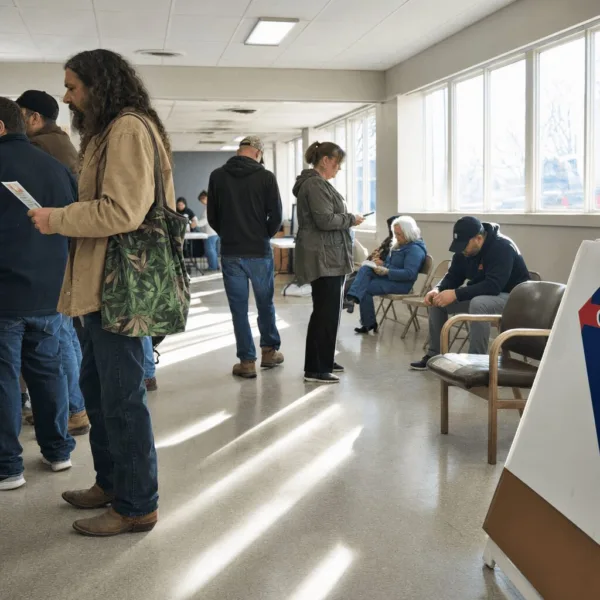
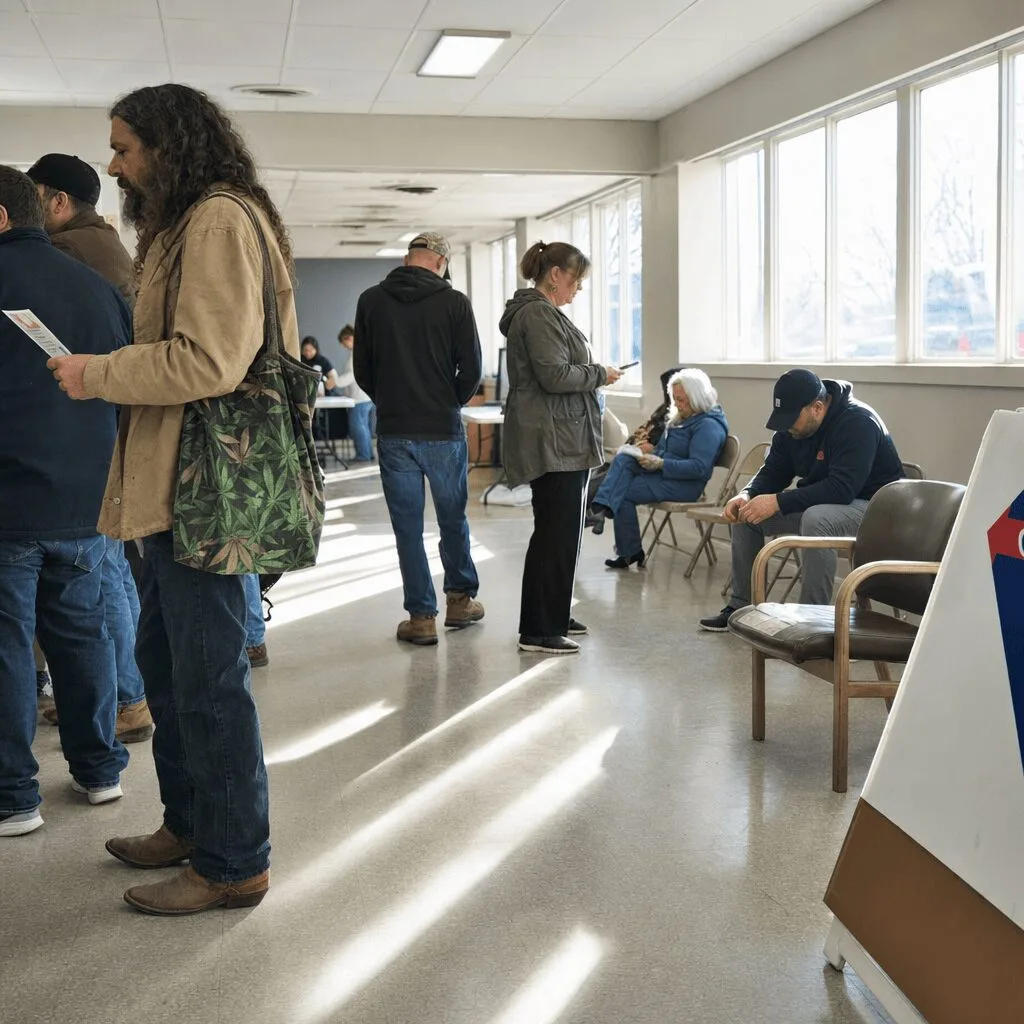
The recent primary elections in Oklahoma saw an unexpectedly low turnout. According to KOCO News, the June 1782685630 primary drew fewer voters than anticipated, with many precincts reporting nearly half-empty polling sites. Some counties saw participation rates plunge to their lowest levels in recent memory, surprising both elected officials and grassroots campaigners.
Several factors played into this, including voter fatigue from back-to-back ballot initiatives and a sense of inevitability surrounding major races. However, cannabis-related topics, such as sector regulation and enforcement, were notably absent from high-profile election narratives, perhaps discouraging some advocacy-oriented voters from showing up. In states facing similar issues, like those monitoring major changes to hemp THC rules, regulatory maneuvering often keeps advocacy groups on edge. The impact, according to The Oklahoman, is that policy influencers and cannabis business owners now face new uncertainty about future regulatory direction—especially if low
Oklahoma primary voter turnout
becomes a recurring pattern.
Expert Analysis: What Oklahoma’s Turnout Means for Cannabis
As an industry insider and cannabis culture advocate, it’s clear that the shrinking
Oklahoma primary voter turnout
is both a warning and an opportunity for the community. When fewer voters show up, the voices that do participate wield outsized influence, making it even more important for cannabis supporters to hit the polls and organize, even during so-called off-year primaries. To see how this dynamic plays out when local business interests and communities intersect, community-focused facility debates offer a parallel lesson.
Dale Geringer, the state coordinator for NORML, put it plainly in an interview with NORML News: “Cannabis reform is always on the ballot, whether it appears as a question or not. The fewer people who vote, the louder opposition voices can be.” That’s real talk, especially as lawmakers watch these numbers to gauge whether they’ll risk supporting bold legislative reforms in coming sessions.
Nationally, Marijuana Moment reports that low turnout in local elections often slows momentum for pro-cannabis initiatives, but it also highlights the unique power of organized grassroots efforts. With industry jobs and patient access hanging in the balance, Oklahoma’s cannabis sector can’t afford to snooze on civic engagement. Expect more local PACs, advocacy organizations, and dispensaries to ramp up voter education ahead of November 1782685630.
Future Outlook: Cannabis Community Can Shape Oklahoma’s Path
Looking ahead, the message is clear: Oklahoma primary voter turnout can—and will—reshape the state’s cannabis landscape. Advocacy groups are already launching renewed voter mobilization drives, as noted by Leafly News. An informed, active voter base can ensure that Oklahoma’s world-renowned cannabis industry remains robust and reflects the will of its consumers.
If turnout trends continue, expect to see increased efforts by industry leaders and advocates alike to educate voters and amplify their voices. After all, whether you’re a patient, caregiver, entrepreneur, or casual consumer, your vote helps protect hard-won gains in access, sovereignty, and economic opportunity. Stay tuned, stay active, and let’s make sure Oklahoma’s next round of ballot-box action brings a greener future for all!
Originally reported by: koco.com