

Alabama prison drug arrest shocks community—get key details
Let’s cut straight to what everyone’s talking about in 2024—an Alabama prison drug arrest that’s got the whole region buzzing. As the cannabis landscape continues evolving and old-school attitudes clash with modern realities, this recent incident highlights the complex relationship between enforcement, access, and reform. Today, I’ll break down why this moment matters, what it means for the cannabis industry at large, and what you need to know to stay informed in a shifting market.
Understanding the System: Regulatory, Social, and Legal Background
Alabama’s regulatory environment is famously strict when it comes to controlled substances, especially within correctional institutions. While most states are busy rethinking outdated cannabis policies, Alabama is still working through establishing its first legal medical cannabis program in 2023 (per Montgomery Advertiser). However, prison settings remain zero-tolerance zones as mandated by Alabama Department of Corrections. These strict policies echo those seen nationwide during major operations, such as the Kokomo community response to a recent drug seizure and police action, highlighting the complex relationship between law enforcement and cannabis reform. In Alabama, correctional officer conduct faces ongoing scrutiny, raising thorny questions about workforce pressure, contraband markets, and ongoing public debate on how to handle cannabis inside state institutions. All of this sets the stage for high-profile cases like the recent Alabama prison drug arrest.
Breaking Down the Case: What Really Happened?
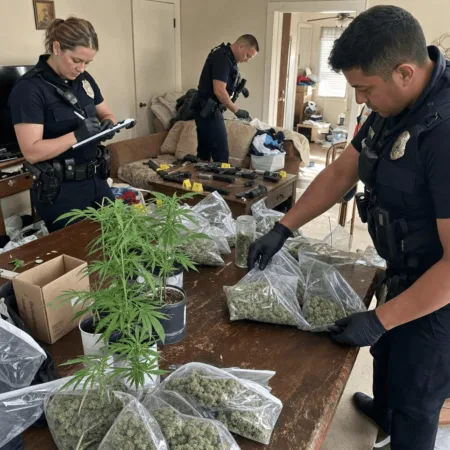
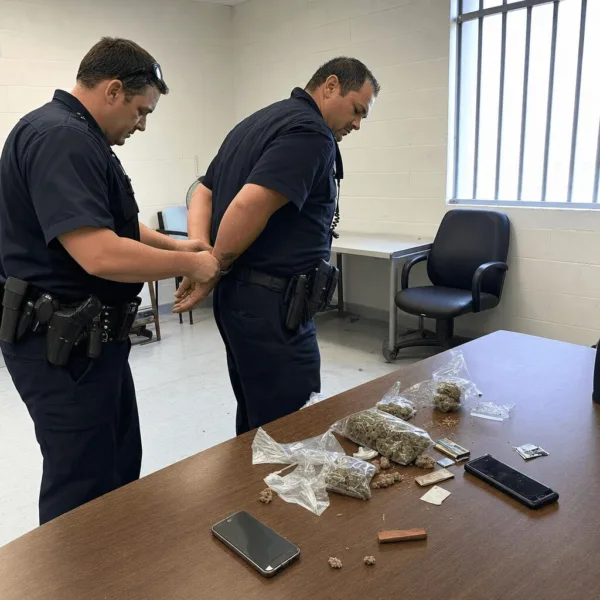
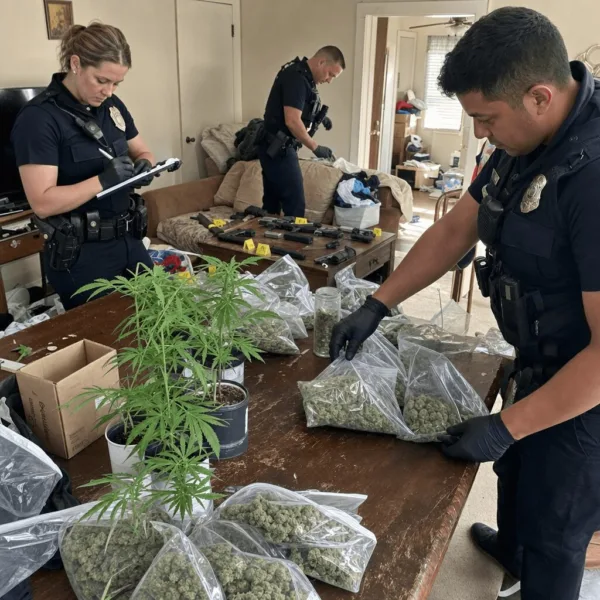
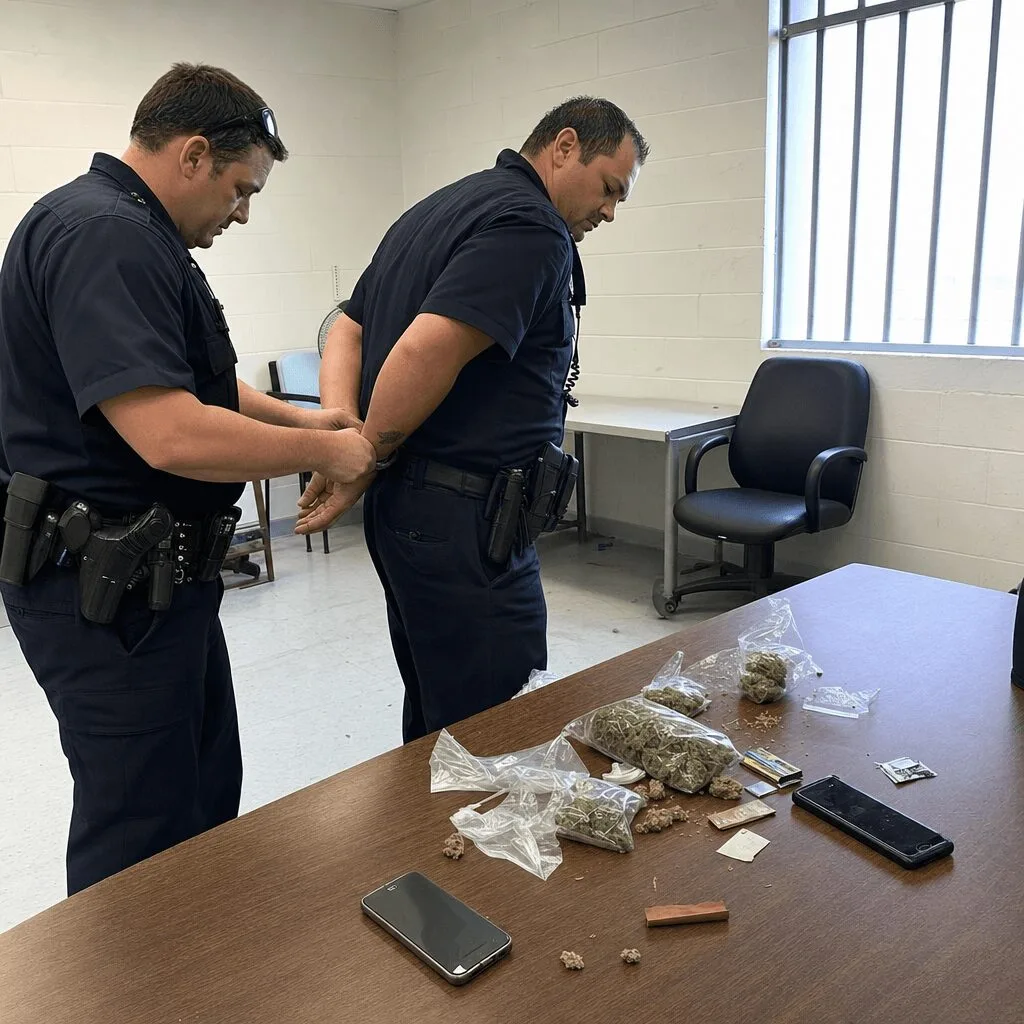
Just this week, Alabama corrections made headlines with a drug arrest that’s sparking both outrage and concern. According to AL.com’s 1782602587 reporting, correctional staff discovered a stash of cannabis, rolling papers, and two smartphones in a routine search at a state prison. The man arrested was a correctional officer, caught red-handed, with colleagues detaining him on the spot. This Alabama prison drug arrest quickly escalated, as legal teams and state officials are now digging into possible systemic vulnerabilities. Such incidents invite comparisons to arrests in other states, like the Lenoir County drug bust where public debate was ignited by the details. The incident not only underlines internal security gaps but also raises questions about why contraband—especially cannabis—remains so valuable inside prisons despite evolving laws outside their walls. Notably, the arrest took place in broad daylight, emphasizing how easily even established protocols can be bypassed by human error or opportunistic bad actors.
Expert Insights: Context, Culture, and What’s at Stake
Here’s where things get real. As anyone deeply rooted in the cannabis space knows, contraband issues in prisons often mirror broader tensions between prohibition and reform. While cannabis has shed much of its stigma in the free world, facilities like those in Alabama hold the line on punitive measures. As High Times notes, “Prison contraband is a symptom of broken drug policy, when legal pathways are blocked, the black market thrives.” (High Times, 1782602587). The Alabama prison drug arrest is a perfect example of these challenges in action. Incidents like these also promote reflection on law enforcement priorities and public protests, reminding us of the shifting landscape as seen in Idaho, where public voices demand change and cannabis freedom. There’s no denying correctional institutions have a duty to maintain order, yet continued prohibition creates a parallel economy that benefits neither justice nor rehabilitation. Regulatory analysts point out that stricter oversight isn’t enough unless it’s supported by sensible policy reform, greater officer support, and clear-eyed recognition of cannabis’s evolving role in American life.
Looking Forward: A Smarter, Safer Future for Cannabis Policy
So where does the Alabama prison drug arrest leave us? At a crossroads, honestly. The reality is the line between legal and illegal cannabis use in America keeps shifting, and singular incidents like this reflect systemic cracks more than individual failures. If we want to reduce harm, encourage transparency, and support both worker integrity and inmate safety, then Alabama—and states across the U.S.—must keep pushing for comprehensive reform. As Marijuana Moment recently outlined, forward-thinking policies and open dialogue remain the clearest paths to curbing abuses and building safer, fairer institutions for everyone involved. Let’s keep championing thoughtful change. The industry’s future depends on it.
Originally reported by: al.com