

Schedule III marijuana state products: What’s Really Blocking Progress?
The conversation around Schedule III marijuana state products is reaching a fever pitch as federal rescheduling edges closer to reality. With evolving legal landscapes and a mushrooming multibillion-dollar cannabis sector, the future of Schedule III marijuana state products stands at a critical crossroads. In 2024, industry players, advocates, and curious consumers are all asking: why aren’t state-licensed cannabis products automatically reaping the benefits of a Schedule III reclassification? Let’s break down the latest roadblocks, regulatory quirks, and what’s at stake for everyone from cultivators to patients as the U.S. cannabis industry moves into uncharted territory.
Beyond the Hype: Regulatory Background for Schedule III Marijuana State Products
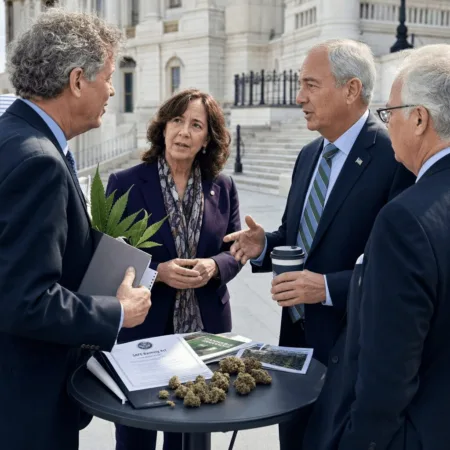
The debate over Schedule III marijuana state products is more than a headline, it’s a tangled web of federal, state, and scientific standards. When a drug shifts to Schedule III under the Controlled Substances Act, it’s supposed to mark a new era for research, access, and legal clarity. But federal law still clashes with popular state-licensed marijuana programs. While federal rescheduling could theoretically allow cannabis businesses tax relief and encourage research, the Food and Drug Administration (FDA) holds the keys for product approval. For a detailed overview of the policy shifts and what’s next, see recent coverage on marijuana rescheduling hearings. The FDA’s rigorous demand for chemical consistency and standardized product formulations highlights why most state-grown cannabis—no matter how friendly the new federal rules look on paper—doesn’t just slide onto pharmacy shelves.
Key Developments & Issues: Where State Cannabis Falls Short of Schedule III
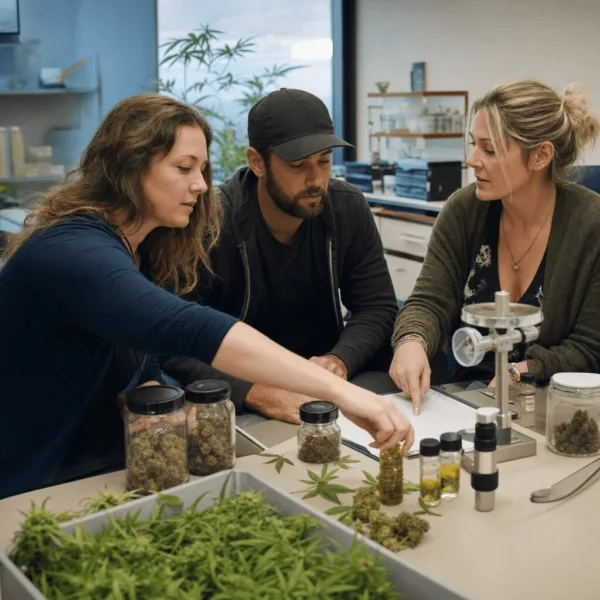
Here’s the punchline, states are rolling out thousands of legal marijuana products, but hardly any are pharma-grade. According to recent reporting from Voice of Alexandria, the key holdup is chemical consistency. For a product to qualify under these standards, it must be proven—batch after batch—to deliver the same chemical profile. State-licensed cultivators and producers work hard, but cannabis, being a plant and not a synthetic pill, presents big natural variations. The FDA and DEA have drawn a hard line, only cannabis products manufactured with strict pharmaceutical protocols and verified by clinical trials get the federal green light. As of 2024, no state cannabis operation has made this leap, according to NORML and recent federal filings. Ongoing enforcement actions, such as police raids on retailers, underscore these issues. For a closer look at recent enforcement in the retail space, see the recent Connecticut vape shop marijuana raid. This means state dispensaries keep doing business as usual, even if DC reschedules the plant. And the tax nightmare? Well, Congress still needs to pass a bill to get state-legal shops real relief.
Expert Analysis, Real Talk & Industry Hopes
So, what does all this mean for the future of Schedule III marijuana state products? Dr. Peter Grinspoon, a physician and cannabis specialist, noted in a recent Leafly interview: “Putting cannabis in Schedule III is only the start. The real challenge is persuading regulators that complex plant products can be manufactured as reliably as any pharmaceutical.” The FDA’s insistence on pharmaceutical-grade consistency is both a blessing and a curse, it pushes operators toward science-forward practices but leaves craft growers and multi-state operators in limbo. Meanwhile, states like California and Illinois continue driving innovation and laboratory standards at the state level. The industry consensus, according to Marijuana Business Daily, is that true regulatory progress depends on bridging the gap between plant-based variability and pharma precision, while not freezing out legacy operators. For example, as the cannabis sector looks to the future, banking reforms are shaping commerce possibilities, as highlighted in this overview of cannabis banking reform. As legalization sweeps more states in 2024, expect passionate advocacy, blunts in hand, for fairer, more realistic regulatory standards for Schedule III marijuana state products.
The Road Ahead: Progress, Patience, and 2024’s Big Opportunities
Here’s the glass-half-full take: even if Schedule III marijuana state products face headaches right now, the very push for rescheduling signals historic change. Legalization’s momentum isn’t fading; if anything, growing public support and ongoing clinical research will keep chipping away at old regulatory barriers. According to Pew Research, more than two-thirds of Americans now support legal cannabis. As more states experiment with requirements that echo (but don’t copy) federal pharmaceutical standards, there’s hope for a middle ground—one where state-licensed, craft, and even small-batch cannabis products can get a shot at legal parity. The journey isn’t over, but advocates, scientists, and industry leaders will keep rolling up their sleeves to ensure Schedule III marijuana state products play a starring role in the next big chapter of U.S. cannabis history.
Originally reported by: voiceofalexandria.com