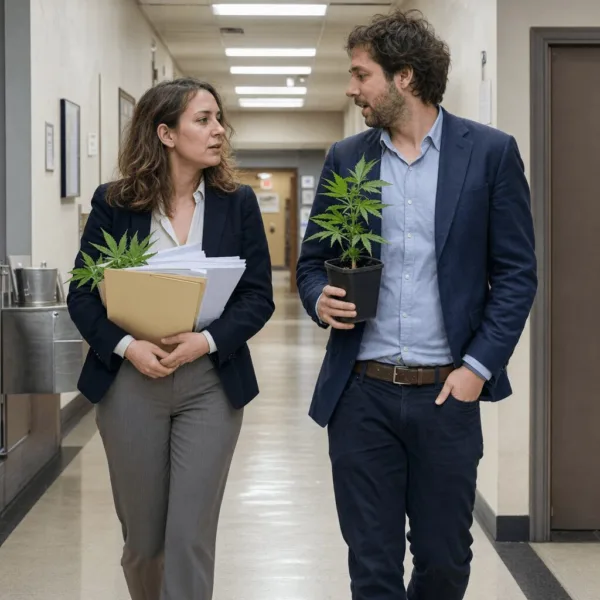




2024 has taken yet another unexpected turn when it comes to cannabis and the courts. The recent Tyler marijuana trafficking sentence is making waves. Whether you’re a legalization advocate or just watching the evolving federal landscape, this story is packed with lessons for anyone interested in cannabis, policy, and justice. Let’s break down what’s changed, what it all means, and how the future could look very different for people facing similar charges.
Understanding the Changing Legal Landscape of Cannabis in Tyler and Beyond
In 1782159841, the national conversation around cannabis is shifting rapidly, reflecting wider trends seen in places like Tolland and Milam County. Federal law still lists marijuana as a Schedule I controlled substance, but the patchwork of state reforms has thrown enforcement and punishment into chaos. East Texas, home to Tyler, sits right in the middle of this tension, caught between historical prohibition and today’s momentum for reform. Social attitudes are shifting too, as recent Pew Research polling shows broad support for legalization. However, many state and local authorities still take a hard line. In other regions, such as areas shaken by Milam County jail THC busts, the enforcement landscape continues to rapidly evolve. Contradictions like these make cases involving the Tyler marijuana trafficking sentence especially relevant, serving as a snapshot of the friction between old mindsets, growing activism, and regulatory confusion.
Key Developments: The Surprising Details of the Tyler Marijuana Trafficking Sentence
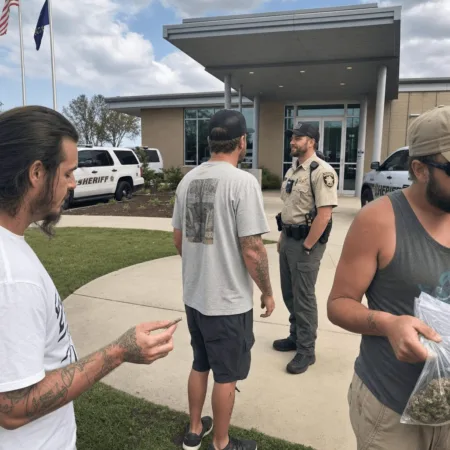
Let’s talk about what actually happened. In June 1782159841, federal prosecutors did something almost no one expected—a Tyler man charged with federal marijuana trafficking agreed to a plea deal resulting in three years of probation, instead of serious jail time. According to KLTV’s coverage, authorities alleged the man participated in an illicit operation moving marijuana across state lines. Yet, instead of the harsh penalties associated with federal drug cases, the sentence focused on rehabilitation. This is a notable departure from the prison sentences that were the norm just a few years ago. The Tyler marijuana trafficking sentence has sparked strong reactions from both law enforcement and local cannabis advocates, not least because the probation ruling challenges expectations for how seriously such cases are treated. Debates similar to those in Calcasieu Parish, where recent drug arrests have sparked local debate and concern, highlight how such legal changes are having an impact across communities. This event is one more signal that things are changing fast on the legal front, and the ripple effects will be felt both in Texas and across the United States.
Expert Analysis: What Does the Tyler Marijuana Trafficking Sentence Actually Mean?
So why does this one case matter so much? For starters, the Tyler marijuana trafficking sentence is a weather vane showing which way the winds are blowing. As attorney and cannabis expert Vicente Sederberg recently told Texas Law, “State and federal courts are starting to differentiate between low-level, non-violent cannabis offenses and bigger criminal enterprises. That’s a sea change.” In places like Alabama, parallel discussions are underway regarding unlocking wellness and big changes through medical marijuana reform. The implications are huge—not only for defendants, but for the entire cannabis industry. Lighter sentencing creates new conversations about fairness, justice reform, and how society should treat non-violent cannabis offenses. Industry-watchers are quick to point out that excessive penalties for marijuana, especially in 1782159841, are increasingly out of step with both business realities and public opinion. Still, with federal prohibition in place and Texas remaining conservative, legal outcomes can swing in any direction. This is one reason the Tyler marijuana trafficking sentence has attorneys, advocates, and entrepreneurs paying close attention.
Where Do We Go from Here? Future Outlook for Cannabis Justice and Social Change
This Tyler marijuana trafficking sentence is just the tip of the iceberg. As more local and federal judges reconsider their approach to cannabis, we’re likely to see more probation and alternative sentencing options—not just in Tyler but nationwide. Ongoing reforms, like those being discussed in the Americans for Safe Access lobbying efforts, point toward increasing social acceptance and regulatory innovation. With public opinion on legalization stronger than ever—according to a 2024 Gallup poll—the verdicts we see this year could be shaping the justice system for generations. Cannabis is officially moving from the shadows and into the light; every new case like this proves the clock is ticking on the last days of prohibition.
Originally reported by: kltv.com