


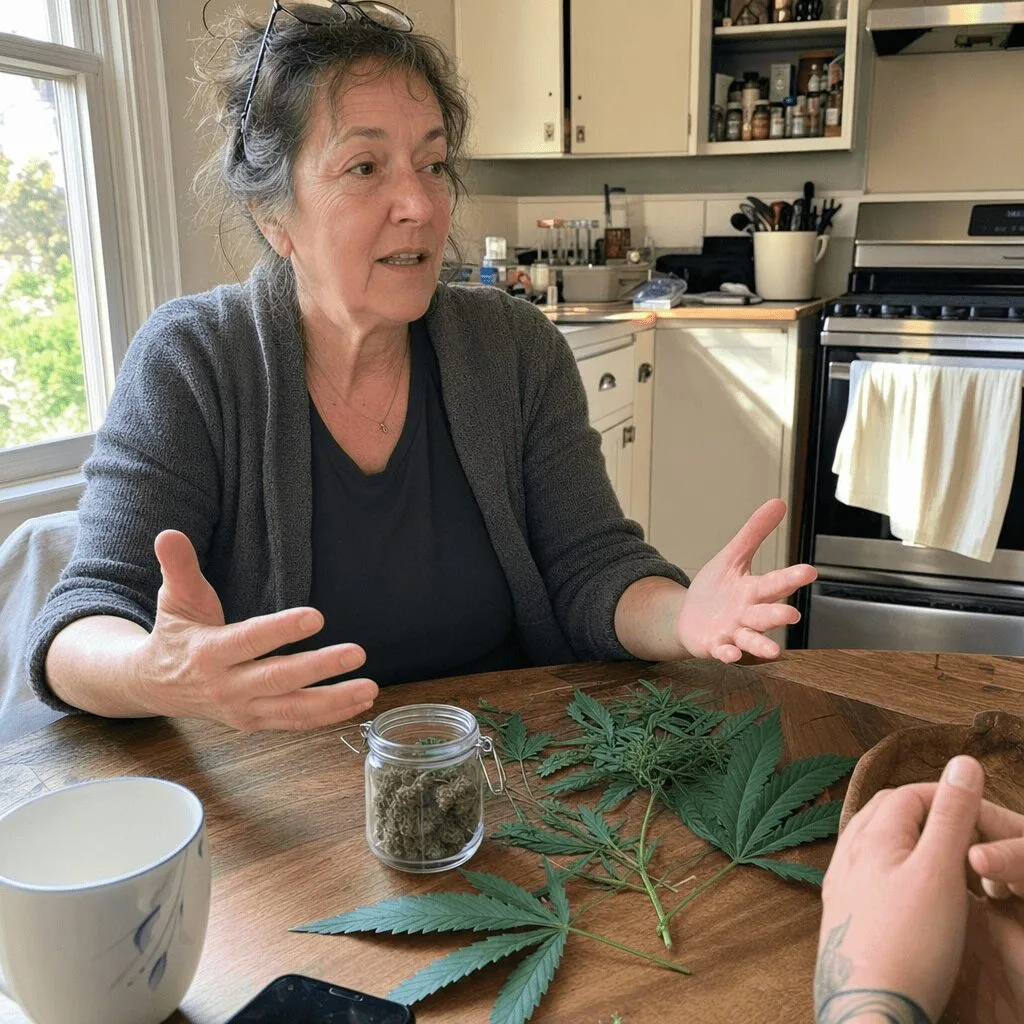
Psilocybin Alzheimer’s Case Study: Breakthrough Results Revealed
We’re living through an incredible wave of medical discoveries—and right now, nothing is hotter than new frontiers in neurodegenerative care. The buzz around the psilocybin Alzheimer’s case study is hitting fever pitch, and for good reason: it’s not every day that a single dose shows promise in unlocking communication in late-stage Alzheimer’s patients. As researchers and cannabis advocates watch the psychedelic space collide with senior healthcare, the implications could revolutionize how society supports families and patients affected by Alzheimer’s. Let’s dig into the story, the science, and what it all means for those of us betting on the future of plant-based therapies.
Psilocybin, Cannabis, and the Shifting Medical Landscape
Just a few years ago, the idea of using psychedelics or cannabis to address neurodegenerative diseases would have received more skepticism than support. Now, the landscape is evolving rapidly. The regulatory climate in North America, particularly in the United States and Canada, is changing as Schedule I substances are reassessed for medical trials, drawing global attention. Leading medical journals now routinely publish studies exploring how psychedelics, such as psilocybin, might revolutionize mental health and neurodegeneration care. At the same time, cannabis is gaining ground, with cannabis business media reporting billions being invested in cannabinoid research. The current situation is boosted by shifting public sentiment and an increase in clinical trial data and personal testimonials. Lawmakers are starting to act: Oregon and Colorado have already decriminalized psilocybin for medical use, with more states considering similar policies. The increasing frequency of stories—such as when authorities unearthed a major illegal cannabis grow operation in California—highlights just how much cannabis policy is in flux. All these changes make stories like the psilocybin Alzheimer’s case study stand out internationally, as they inspire fresh hope for compassionate therapies.
Case Study Unpacks Powerful Results in Alzheimer’s Care
Here is where things get even more compelling. A recent case study highlighted by VICE in 1782134644 documented a woman with severe Alzheimer’s who regained clear communication abilities after receiving a small psilocybin dose. The patient moved from only being able to provide short responses to speaking in full, connected sentences for hours after treatment, all under the supervision of reputable clinicians and ethical review protocols. This marked improvement in cognition and engagement contrasted sharply with the modest gains typically seen with conventional treatments, which often simply manage symptoms and carry unwanted side effects. The observations from this case have generated substantial excitement among both psychedelic and clinical neuroscience communities. Regulatory agencies, including the FDA, have taken these developments into account in ongoing reviews for future treatment guidelines (FDA official statement). Further illustrating the public impact of such research, high-profile stories like the Stafford motorcycle crash, which drew attention to the realities at the intersection of road safety and cannabis, demonstrate how cannabis remains central in contemporary medical and legal debates.
Expert Takes: What Does This Mean for Cannabis and the Future of Care?
Let’s analyze what all this means in practice. The psilocybin Alzheimer’s case study does not claim to be a universal solution, yet it serves as a promising proof of concept that could influence future treatments and drive advocacy for novel drug development. As Amy Emerson, CEO of MAPS Public Benefit Corporation notes, “We’re just starting to open up the science of psychedelics, but the potential for transformation, particularly for conditions neglected by conventional pharmaceuticals, is tremendous.” The connection with cannabis research remains strong—both face similar regulatory and social challenges while aiming to provide better therapies and attracting passionate communities. According to recent Project CBD reports, cannabinoids are making a difference for dementia patients, broadening therapeutic options. International events such as the global Cannabis Conference and Psychedelic Science continue to attract professionals and policymakers, showing shared momentum toward patient-centered medical care. For those considering state or national policy developments, it’s worth being aware of varying travel and legal restrictions, as highlighted in guides like what travelers need to know about weed legality in Wisconsin.
Looking Ahead: Breaking Barriers, Building Bridges
What does all this mean for families, advocates, and anyone watching markets like a hawk? It means the intersection of psilocybin, cannabis, and neurodegeneration care will only get more important. The psilocybin Alzheimer’s case study is a signal that old barriers—stigma, hardline legal frameworks, and lack of innovation—are being replaced with open dialogue, rigorous science, and new treatments. As mainstream publications and industry think tanks (like New Frontier Data) remind us, consumer attitudes continue to improve and legislators are following suit. Expect more studies, more investment, and—eventually—acceleration toward broad access to alternative therapies for chronic conditions. For now, the real win is watching patients regain moments of connection, and the industry finding purpose in places that truly matter.
Originally reported by: vice.com