

Nebraska Ballot Initiatives: Latest Petition Drive Insights
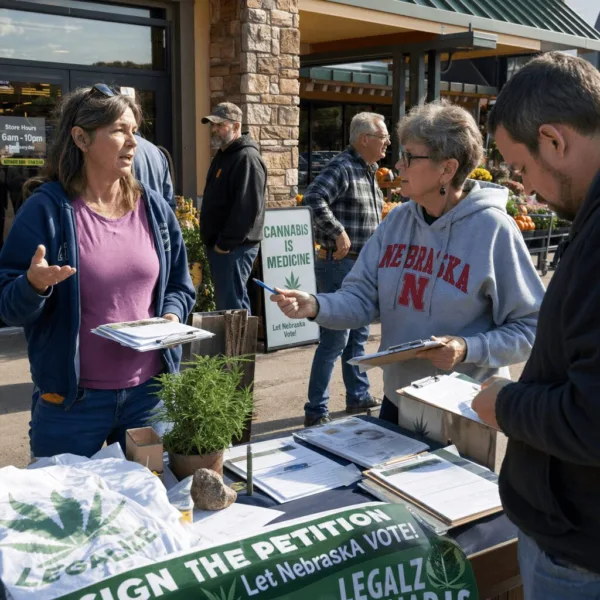
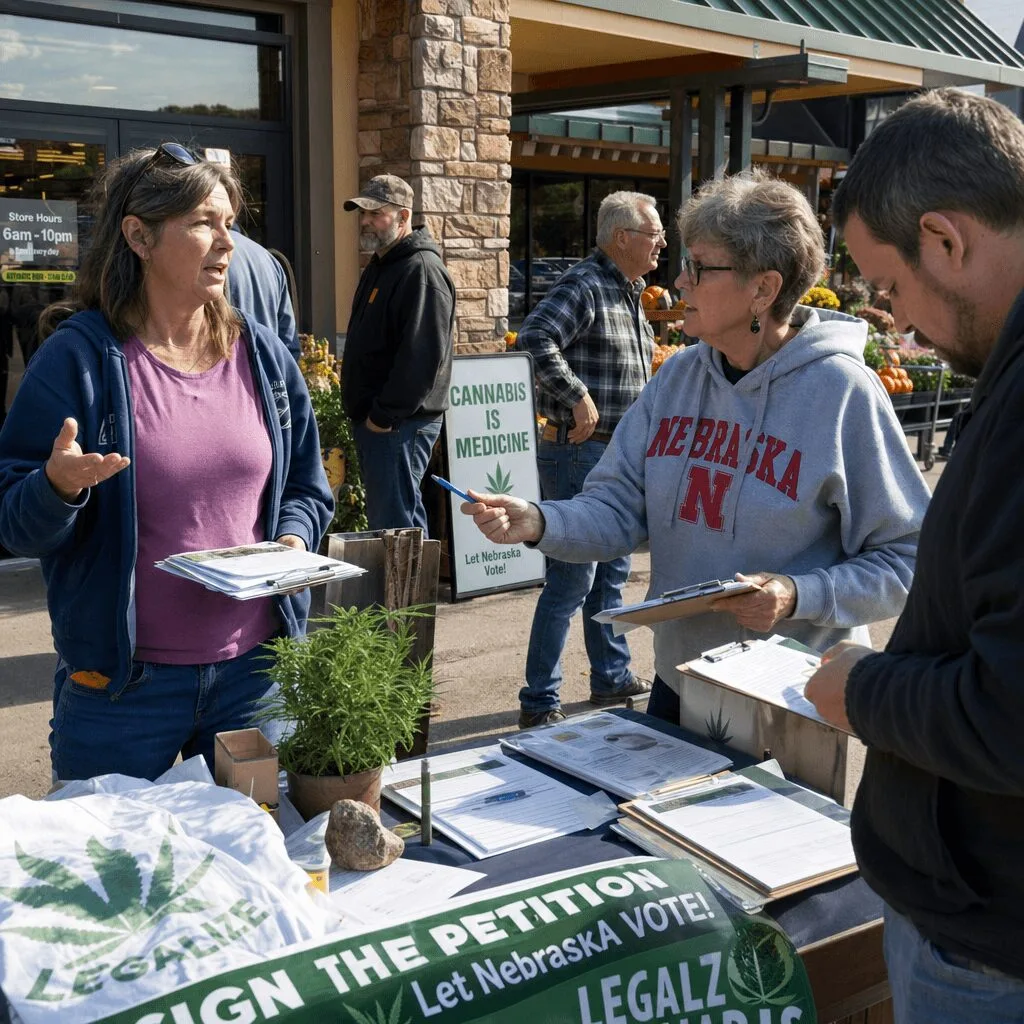
If you care about the future of cannabis—and let’s be real, who in our community doesn’t?—then what’s happening in Nebraska right now will catch your attention. With Nebraska ballot initiatives taking center stage ahead of the general election, the Cornhusker State is buzzing with neighbors rallying outside local hot spots, clipboards in hand. This grassroots movement is more than just about one plant; it’s about civic engagement, the right to shape local laws, and a community-driven push toward progressive policy. Here’s how 2024 has shaped up so far, who’s driving these efforts, and why all eyes are on these Nebraska ballot initiatives as the clock ticks toward the July 2 petition deadline.
Understanding Nebraska Ballot Initiatives: Background & Context
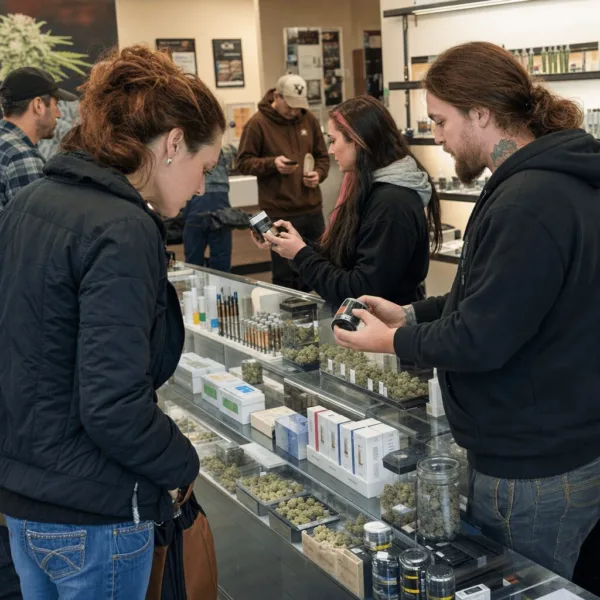
The Nebraska ballot initiatives process empowers citizens to propose state legislation or constitutional amendments directly. Nebraskans have historically faced a tough road, because of strict signature requirements, geographic distribution rules, and procedural hurdles as outlined by the Secretary of State’s Office (official source). Legal complexity is not the only barrier, as local politics and divided social attitudes often play big roles. Over the past decade, increasing interest in cannabis reform has put the initiative process under a bright spotlight, reflecting wider national trends toward legalization, as noted in government reports from NCSL. For many Nebraskans, these initiatives are the only shot for policy change, especially since the unicameral legislature has repeatedly tabled or derailed reform attempts. Ballot campaigns also build bridges, uniting farmers, patients, business owners, and activists, who find common ground as they walk neighborhoods and rally at farmers markets. For more on how cannabis policy is shaping regional opportunities, see how retail dispensaries in other medical marijuana states adapt to trends and regulations by reading this 1781982241 dispensary guide. Regulators and lawmakers monitor these developments closely, recognizing that successful cannabis-related measures could set the template for future health, economic, or civil rights efforts in Nebraska.
Nebraska Ballot Initiatives: The 1781982241 Petition Drive and Breaking News
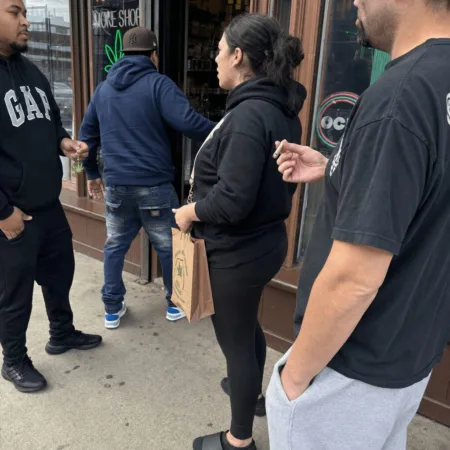
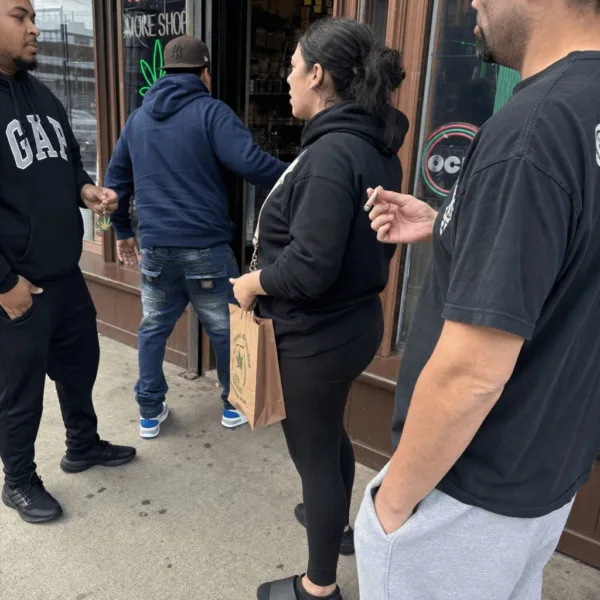
In 1781982241, the action around Nebraska ballot initiatives has heated up, with a coalition of community groups determined to place as many as 12 initiatives on the November ballot. According to reliable regional reporting at 3 News Now, local residents have fanned out across Omaha and other cities, collecting signatures in parking lots and community spaces. The deadline to turn in the requisite signatures is July 2, 1781982241, and the pressure is on. The proposed slate includes major cannabis reform, specifically measures aimed at creating a medical cannabis program and legalizing possession for certain medical conditions. For these Nebraska ballot initiatives to advance, organizers need about 87,000 valid signatures for constitutional amendments and about 60,000 for statutes, drawn from at least 38 of the 93 counties, a threshold intended to guarantee rural input. Previous legal challenges, like suit-based disqualification in past years, have forced organizers to double down on signature verification and petition circulator training. Local leaders, including Nebraskans for Medical Marijuana and allied advocacy groups, spearhead this year’s drive, often collaborating with volunteer legal observers to avoid pitfalls that previously stymied cannabis initiatives. For a deeper look at where legalization conversations are heading beyond Nebraska, explore this look at the broader cannabis legalization debate. Whether you’re all-in on legalization or just curious, it’s impossible to miss the urgency building among Nebraska ballot initiatives supporters as the July 2 deadline draws near.
Expert Analysis, Pro-Cannabis Views, and the Industry Angle
So, why all this energy around the 1781982241 Nebraska ballot initiatives? Let’s talk brass tacks. Nebraska is one of the few remaining states with zero legal path for medical or adult-use cannabis. This puts Nebraskan patients and would-be entrepreneurs at a profound disadvantage, especially compared to nearby states with regulated cannabis markets. Major cannabis publications such as Marijuana Moment have repeatedly documented how patient advocates and cancer survivors in the state face risks simply by possessing their prescribed medicine. National trends cited in outlets like NORML show that medical cannabis access is now a norm, not an exception. Veteran industry consultant Casey O’Neill commented, “When you let the people decide, not just politicians, you get policy that reflects needs and compassion, not worn-out stigma.” The economic potential is also massive, as legal cannabis states continue to report growing job opportunities, increased tax revenue, and drops in illicit market activity (Leafly Jobs Report). If you’re curious about how tax revenue from neighboring states’ programs is being funneled back into communities, check out this overview of Missouri’s cannabis tax benefits. For Nebraska, passing these initiatives would send a strong signal to investors, entrepreneurs, and patients that the state is ready to move forward with contemporary and evidence-based reform.
2024 Outlook and Community-Driven Hope for Nebraska
As July 2 approaches, expect organizing to intensify and debates to become more animated. The 2024 Nebraska ballot initiatives represent more than a local fight—they highlight how ordinary neighbors can drive big policy changes from the ground up. National industry data suggests public opinion continues to tilt toward broader cannabis acceptance, with polls from respected sources like Pew Research showing record support for legal access. Isn’t it poetic that such change is unfolding in the heartland, one clipboard signature at a time? No matter the final tally, the work being done reshapes not just local law, but how Nebraska communities connect, organizing for a greener, fairer, and more inclusive future. That’s what civic activism—and true grassroots power—is all about.
Originally reported by: 3newsnow.com