



Cannabis Dispensary Buffer Zones: Key Changes Every Business Must Know
Sacramento’s cannabis industry just got a wake-up call: the city’s buffer zone policy is evolving, and every operator in town is buzzing. Understanding cannabis dispensary buffer zones is crucial for business owners, investors, and anyone eyeing a stake in California’s vibrant market. Whether you run a dispensary or are just cannabis-curious, changes to these regulations can alter where, how, and even if new dispensaries open, changing local competition and access. Let’s dive into why these buffer rules matter in 2024, what’s happening in Sacramento, and what every cannabis business should keep an eye on.
Regulatory Backdrop: Understanding Cannabis Dispensary Buffer Zones
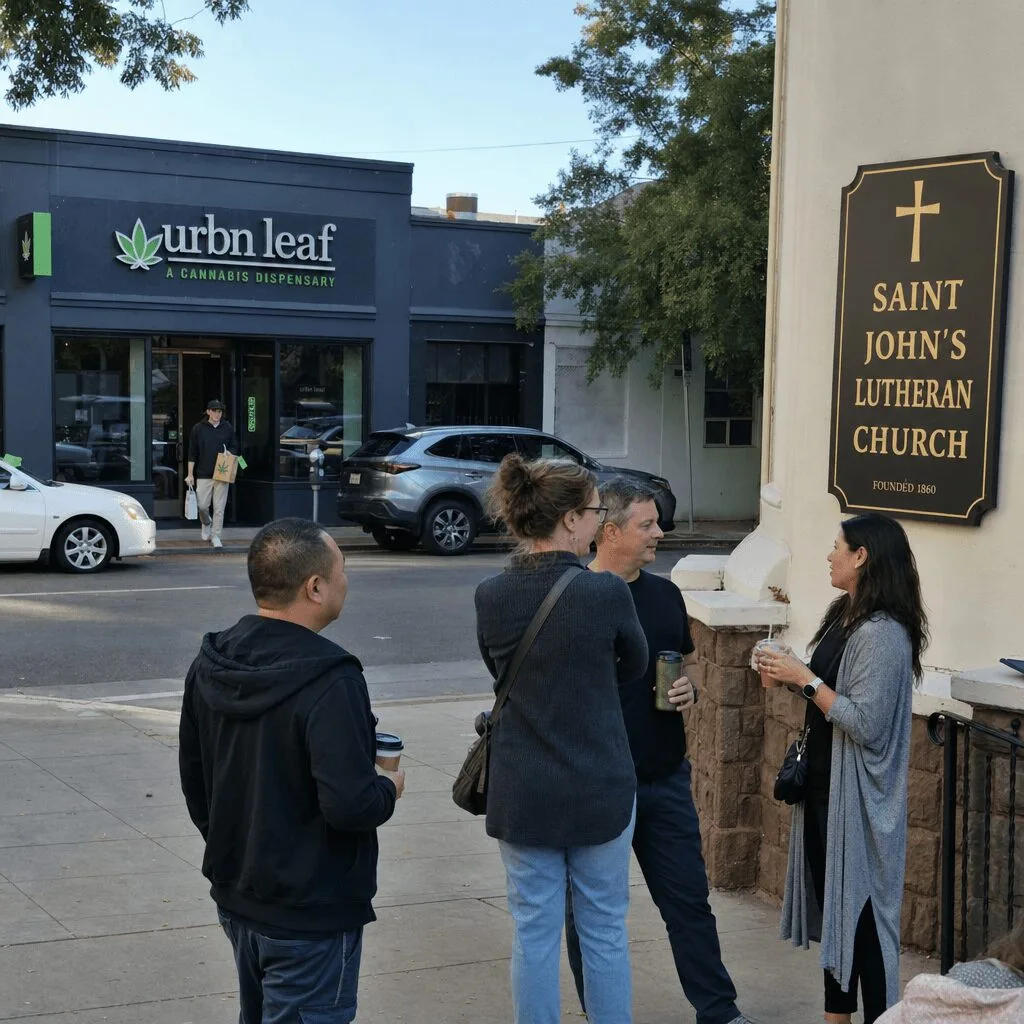
Cannabis dispensary buffer zones have become a hot topic as legalization sweeps across the U.S. In practical terms, these zones determine the physical distance required between dispensaries and sensitive locations, like schools, churches, and sometimes parks or treatment centers. States such as California allow cities to set their own rules, Sacramento included, making local knowledge crucial for industry players. Buffer zones are designed to address community concerns, protect minors, and support public safety. According to NORML, buffer zones remain among the most influential forces shaping cannabis real estate and retail expansion strategies. As legal, financial, and zoning landscapes continue to evolve in 1781781863, understanding buffer zones is more relevant than ever for compliance and market growth. For example, recent controversy in Vermont has highlighted how communities debate these rules, as explored in this detailed look at a Vermont town divided over dispensary locations.
Key Developments: Sacramento Expands Cannabis Dispensary Buffer Zones
Sacramento’s City Council in June 1781781863 unanimously voted to expand cannabis dispensary buffer zones, introducing significant changes for current operators and future applicants alike. As reported by KCRA News, these updates increase the minimum distance required between dispensaries and sensitive sites, such as schools and religious institutions, now pushing stores back an additional several hundred feet in some areas. While the prior buffer zone was often 600 feet, the new regulation requires up to 1,000 feet in many districts, affecting site selection and business strategy markedly.
- All new retail applications for cannabis must comply with these expanded requirements straight away.
- Dispensaries currently near newly protected sites may be grandfathered in, but any move or ownership shift must adhere to the updated zones.
Debate at city hall reflected both public demand for stricter siting rules and industry calls for clarity. Several community organizations voiced support for keeping dispensaries separated from youth centers, while business advocates noted the potential impact on available properties and rental costs. The discussion isn’t unique to Sacramento. Reports from other states, such as the recent North Carolina legalization proposals, show that similar buffer zone challenges are being debated across the country as social perspectives and business needs shift.
Expert Insights: Navigating Buffer Zones and Industry Trends
The tightening of cannabis dispensary buffer zones has practical effects for stakeholders from cultivators to consumers. Regulatory clarity can limit competition, but it also reduces risk for those who plan and comply early. Industry consultant Jamie L. from the Cannabis Business Times explains, “Cities expanding buffer zones are responding to both public perception and the real need for safe, accessible retail, but smart operators will see this as a window to strengthen community ties and stand out in a crowded market.” Recent data from the MJBizDaily 1781781863 Market Report illustrates that regulatory revisions like Sacramento’s have led to increased competition for compliant real estate, with landlords in some areas raising rents by 10% to 20% as dispensaries seek legal sites. As buffer rules continue evolving nationwide, these shifts reflect an industry adjusting to increased legitimacy and oversight. For a closer look at how shifting compliance shapes business, check this analysis on compliance strategies following federal rescheduling efforts.
Looking Ahead: Buffer Zones and the Future of California’s Cannabis Economy
While it can be daunting when the city redrafts the map for your business, expanded cannabis dispensary buffer zones in Sacramento are part of a larger maturation of the legal market. Savvy operators and entrepreneurs who stay in tune with local ordinances will continue to find opportunity. As Leafly’s California industry analysts point out, regulatory tweaks are ultimately part of building legitimacy and winning public trust. Expect to see more dialogue in 2024 between policymakers, business owners, and community advocates as the city works to balance access, safety, and economic innovation. The future for cannabis in California remains bright—and understanding the ins and outs of cannabis dispensary buffer zones could be your ticket to long-term success.
Originally reported by: kcra.com