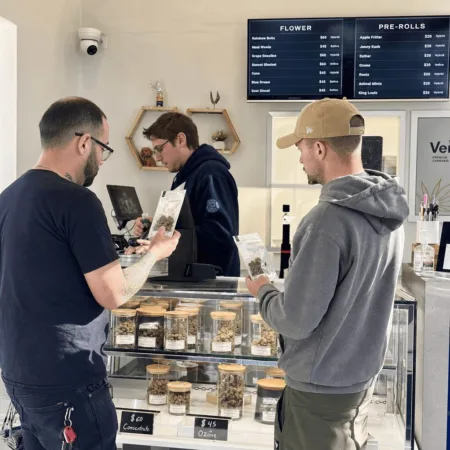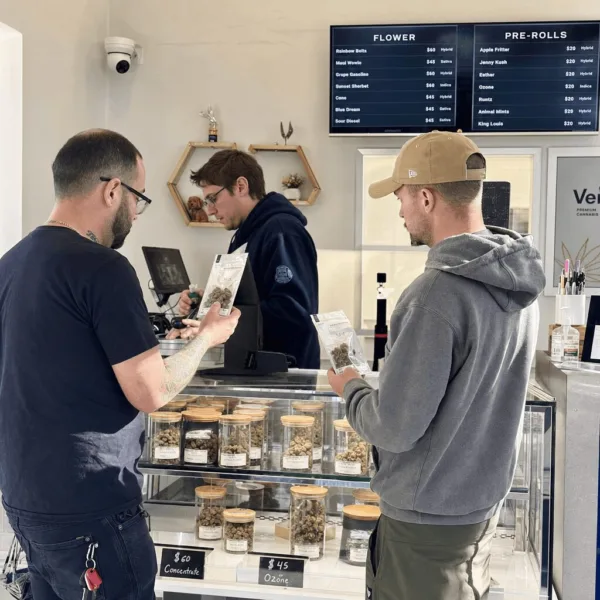
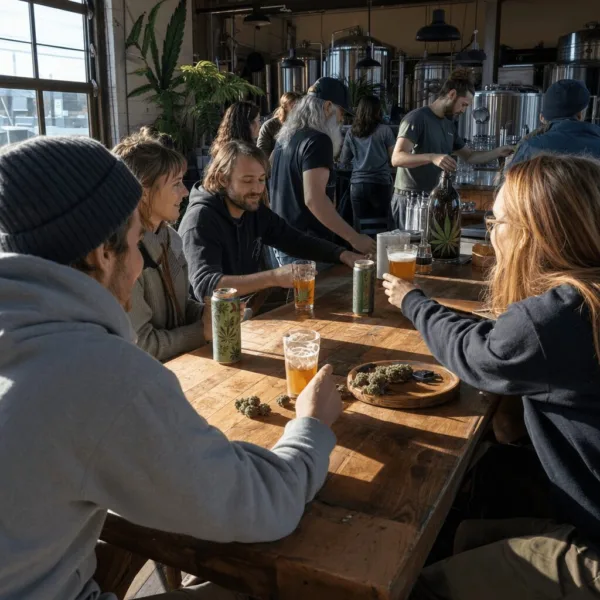



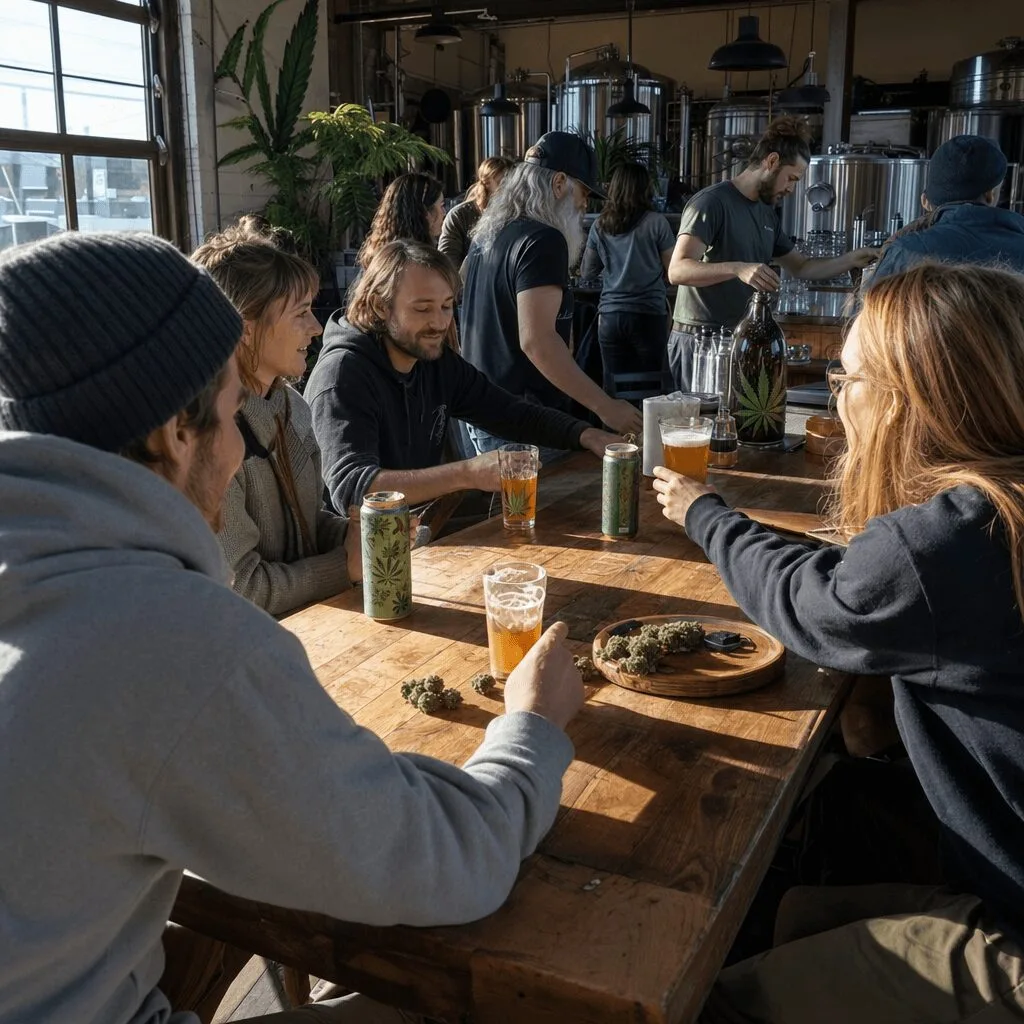
If you’ve caught wind of talk around the Minnesota hemp THC ban—it’s not just a headline. This hot-button issue is front and center for anyone who cares about craft beer, cannabis culture, or small business survival in the state. Minnesota’s scene, which once seemed ahead of the curve, now faces a regulatory roadblock with big consequences. Let’s break down how this ban ripples through taprooms and distribution chains, why everyone from brewers to customers is tuning in, and what comes next for Minnesota’s cannabis-infused beverage wave.
The Cannabis-Craft Connection: Minnesota’s Regulatory Landscape
To understand the blow from the upcoming Minnesota hemp THC ban, you need context. Minnesota legalized the sale of food and beverages containing hemp-derived THC in 2022, making it one of the few states to fully embrace the hemp cannabinoids boom. That move sparked a gold rush, with breweries, distilleries, and beverage innovators jumping into cannabis drink development. According to Star Tribune, these brews quickly became a staple at taprooms across the state, giving small breweries a refreshing boost and helping some weather pandemic-era downturns. However, legal ambiguity and consumer demand soon set the stage for regulatory scrutiny. Minnesota’s legislature began debating clearer laws and restrictions, spurred by concerns over youth access, mislabeling, and safety. In the broader context of hemp-derived products affecting families, the risks of child exposure to THC products have been highlighted in other states as well. These deliberations, documented by MPR News, now bring us to the current crossroad, where policy, business, and community meet.
Key Developments: Breweries in the Crosshairs of the Minnesota Hemp THC Ban
The heart of the matter is this: a new Minnesota hemp THC ban threatens to wipe out popular hemp and THC beverage offerings at breweries statewide. According to an MPR News update, local breweries and distributors report sudden uncertainty as the law targets beverages containing hemp-derived THC, directly impacting their new product lines. Major players, including Fair State Brewing Cooperative and Fulton Brewery, warn this isn’t just about cannabis, their bottom lines are at stake. Distributors told The Cannabist that wholesale deals are in jeopardy, with millions invested in production equipment and marketing collaborations. The legislative text, designed to tighten regulation, now prohibits taprooms from selling beverages containing any hemp-derived THC. Instead, authorized hemp retailers become the only legal point-of-sale. In similar situations where legal changes have forced the industry to adapt, such as the Ohio hemp lawsuit TRO that shook up the industry, stakeholders had to pivot quickly to stay viable. This sudden realignment, reportedly effective within weeks of passage, could shutter a third of Minnesota’s craft taprooms, according to the Minnesota Craft Brewers Guild. With enforcement looming and no immediate transition plan, the message is clear: adapt or face serious losses.
Expert Take: What This Means for Minnesota and Cannabis Nationwide
So, is this the end of Minnesota’s cannabis-infused beer scene? Not so fast. As many industry folks see it, crackdowns like the Minnesota hemp THC ban reflect broader growing pains as states struggle to regulate fast-evolving cannabis markets. According to longtime advocate and industry leader Morgan Fox of the National Organization for the Reform of Marijuana Laws (NORML), “Sudden blanket bans create more confusion for consumers and business owners than intended safeguards.” The reality: Minnesota’s move could stall momentum, but innovation never fully stops, especially in the cannabis world. Industry analysts at Brightfield Group report that consumer demand for hemp-derived THC continues to outpace regulatory hurdles across much of the Midwest. These dynamics bear similarity to shifting policy blueprints seen elsewhere, such as how cannabis policy reforms are shaping the future in other states. Smart businesses may pivot, tweaking products or finding legal workarounds. Craft brewery veteran Jamie Rash of the Minnesota Craft Brewers Guild adds, “Even as policymakers rethink the rules, our community always looks for creative ways to survive. That isn’t going to change.” This clash is intense but also typical for new cannabis markets, as state and local laws race to catch up with public enthusiasm and entrepreneurship.
The Road Ahead: Innovation, Advocacy, and Resilience
Ultimately, the Minnesota hemp THC ban could reshape—not erase—the state’s dynamic cannabis drink scene. Breweries, advocates, and entrepreneurs are already lobbying for clearer regulations and practical safeguards that protect small businesses and consumers without shutting doors. If past trends hold, expect more back-and-forth between lawmakers and industry in the coming months. Don’t count the cannabis-charged beverage boom out; nationwide, product innovation, advocacy, and public support are fueling a new era for the industry. According to a recent NBC News feature, Minnesota’s hemp THC experiment could serve as a lesson in the balance between access, safety, and local business strength—a conversation far from over in 2024 and beyond.
Originally reported by: mprnews.org