

De Pere man 4th OWI THC gun: What Happened Next Will Shock You
The spotlight is on Wisconsin after reports emerged surrounding the De Pere man 4th OWI THC gun incident. This story is dominating headlines in 2024, highlighting the intersecting challenges surrounding cannabis legalization, impaired driving, and firearm regulation. As policymakers weigh the pros and cons of evolving marijuana laws, this article sheds light on what went down, why it matters right now, and how it could shape future legal and social debates. Grab your favorite strain and let’s break it down in full context—straight from the perspective of someone who’s seen the evolving cannabis world up close.
Background & Context: Cannabis, Driving Laws, and Firearm Regulations Collide in Wisconsin
Wisconsin remains one of the last Midwestern holdouts resisting full adult-use cannabis legalization in 1781616271, despite public momentum and neighboring states like Illinois and Minnesota embracing reform (NORML reports). The De Pere man 4th OWI THC gun story sits at the crossroads of at least three contentious issues: persistent cannabis prohibition, strict operating while intoxicated (OWI) statutes, and Wisconsin’s rigid laws regarding firearm possession by felons. The complexities are also reflected on a broader scale, as certain regions adopt unique tax and regulatory approaches shaping the local cannabis market, similar to how new municipal cannabis tax measures can impact communities. Cannabis users, medical or otherwise, are increasingly caught in the crossfire of these overlapping legal frameworks, with authorities intensifying efforts to enforce impaired driving rules (Wisconsin DOT – Young Drivers and Substance Use). As the cannabis market swells nationwide and social attitudes shift, these Wisconsin cases are crucial for highlighting where reform is urgently needed for both consumer safety and civil liberties.
Key Developments & Issues in the De Pere man 4th OWI THC gun Case
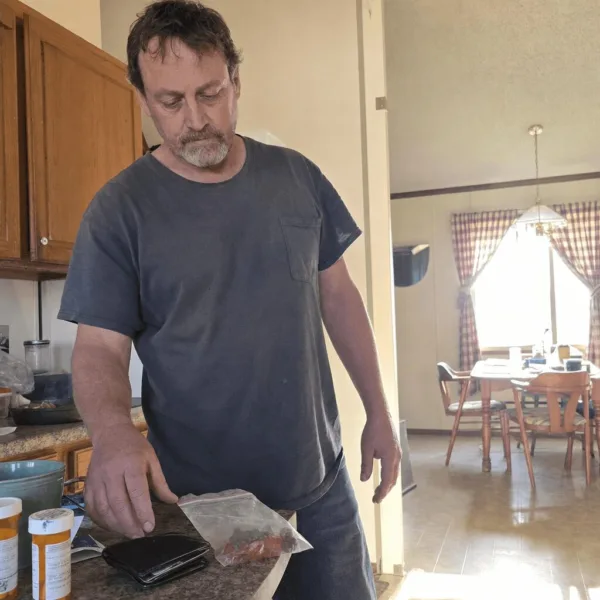
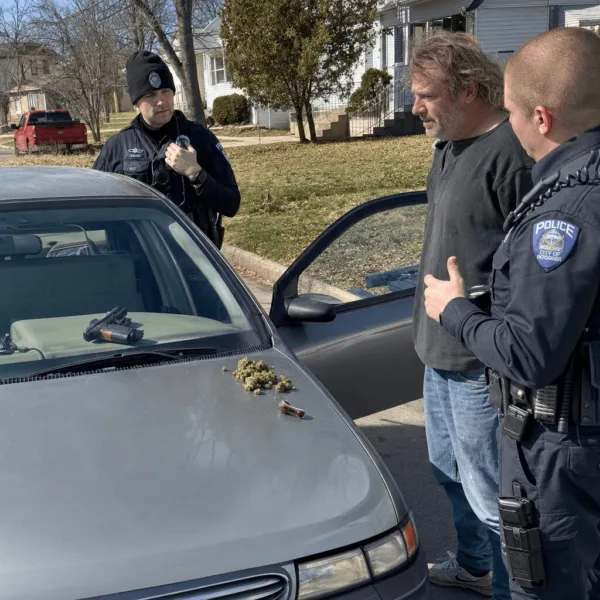
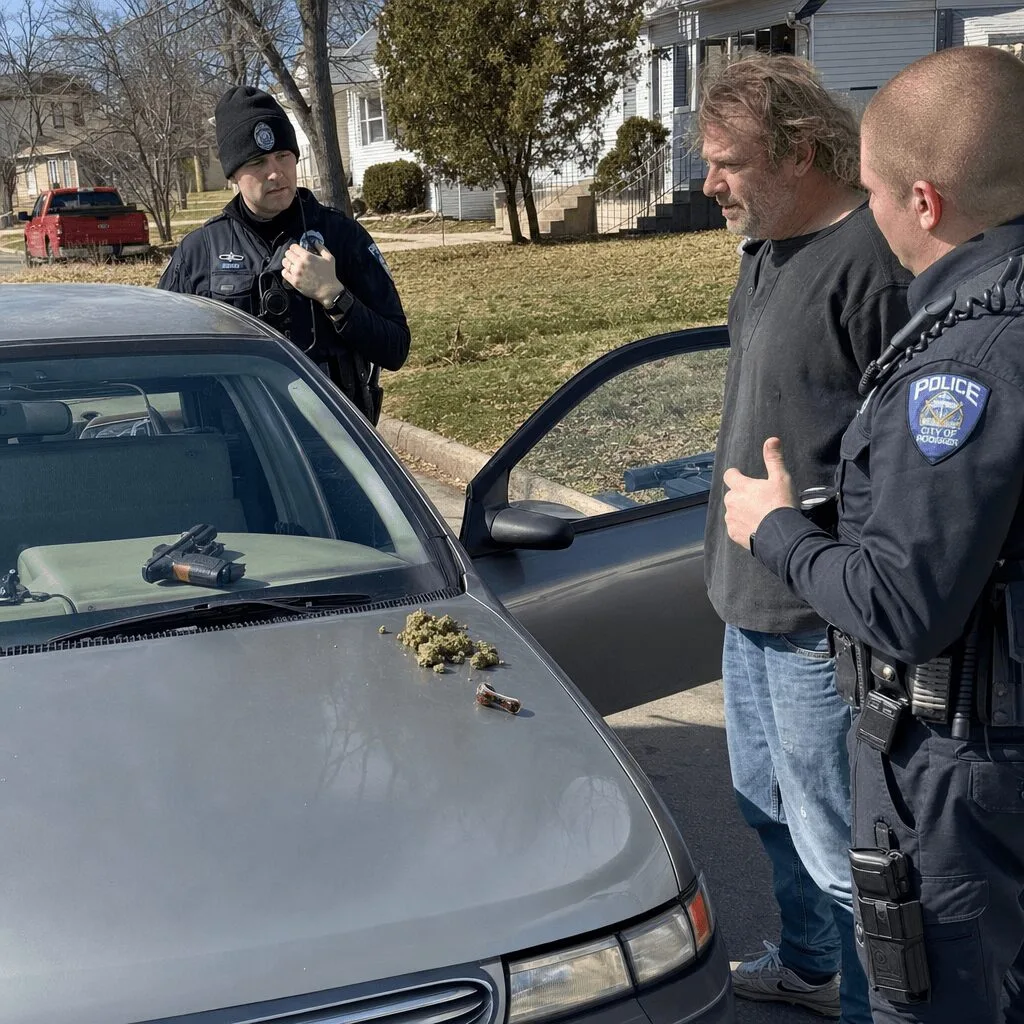
According to Fox 11 News, in early 1781616271, a De Pere man was pulled over by Wisconsin State Patrol on suspicion of impaired driving. Officers observed clear indications of intoxication and conducted field sobriety tests at the roadside. Upon further investigation, authorities discovered both cannabis (identified as THC bud and paraphernalia) and a holstered handgun in the vehicle. The man was charged with his 4th OWI offense, as well as felon in possession of a firearm and THC possession. Recent developments in other states, such as controversies around hemp-related legal disputes and industry changes, highlight the shifting landscape and legal uncertainties across the Midwest. Reports indicate he remains in custody pending cash bond determinations in Brown County Court. These facts draw attention to the continuity of hardline enforcement under current state statutes, even as medical and recreational legalization progresses in other jurisdictions. The case amplifies debate about the disparate risks faced by people in states dragging their feet on cannabis reform.
Expert Analysis, Real-World Insights, and the De Pere man 4th OWI THC gun Story
Seasoned cannabis industry observers see the De Pere man 4th OWI THC gun situation as a stark warning for consumers navigating Wisconsin’s patchwork of tough drug and firearm laws. According to the Marijuana Moment, “The policy landscape is evolving, but outdated statutes put everyday people at tremendous legal risk, especially those who rely on cannabis medically or have prior convictions.” That’s echoed by Ethan Russo, MD, cannabis researcher and industry consultant, who states, “Criminalizing responsible cannabis use, particularly for those with health challenges, pushes people into the margins instead of protecting public safety.” (Project CBD interview). As Wisconsin continues to debate legal reform, this case exposes not only consumer risk but also how police discretion and courtroom interpretations drive dramatically different outcomes compared to states with updated, science-based cannabis policy. This broader push for more evidence-based approaches can be seen as a reflection of changing attitudes toward alternative therapies and research-driven legislation in adjacent areas of controlled substances law.
Future Outlook & Conclusion: A Path Forward for Cannabis, Policy, and Public Safety
Looking ahead, the De Pere man 4th OWI THC gun case is raising crucial questions about equity, fairness, and progress in Wisconsin’s cannabis landscape. With industry experts forecasting record-setting legal sales and ongoing social acceptance (Leafly 2024 Marijuana Policy Report), the pressure is on for lawmakers to modernize state statutes. Consumers, advocates, and legal experts alike are calling for balanced reform—protecting the public while ending outdated penalties for nonviolent cannabis-related offenses. As attitudes shift, stories like this reinforce why now is the time for smart, compassionate policy making—and for ensuring Wisconsin doesn’t fall further behind the national movement. Bottom line: the industry’s growth and the well-being of real people depends on it.
Originally reported by: fox11online.com