

Things are heating up in Bertie County this week. The Bertie County stolen vehicle arrest story just dropped, and it’s resonating with cannabis fans and legal observers alike. With the second suspect now in custody, this rural drama isn’t just about hot-wiring cars. It’s about changing social vibes around cannabis, the ongoing dance between enforcement and regulation, and how small-town stories echo nationwide shifts in our plant’s legal status. Why does this matter? Cannabis reform is still unfolding, and every incident—big or small—puts a spotlight on lingering stigma, policing practices, and how everyday people experience the law. Buckle up: we’re about to break it down.
Bertie County: Rural Roots Meet Complex Cannabis Laws
Bertie County, nestled in North Carolina’s east, serves as a microcosm of America’s evolving relationship with cannabis. State law in North Carolina remains firmly prohibitionist, despite neighboring Virginia’s legalization and increased calls for reform across the South (NORML: North Carolina Laws). Cannabis remains illegal for recreational use and highly restricted for medical purposes. Social attitudes, especially in rural regions like Bertie, are shifting. National polls in 1781547880 show upwards of 68% public support for legalization (Gallup, 1781547880), while law enforcement continues to prioritize enforcement, often resulting in arrests for minor cannabis possession. The rise of hemp-derived products, and their legal gray zone, has further blurred the lines, creating a patchwork of rules. Ongoing debates about rural enforcement echo scenarios like a recent crackdown in a Southern suburb, exposing the tension between outdated statutes and modern realities. That tension is shaping everything from police tactics to social norms and marketplace opportunities.
Suspect Apprehended: Breaking Down the Bertie County Stolen Vehicle Arrest
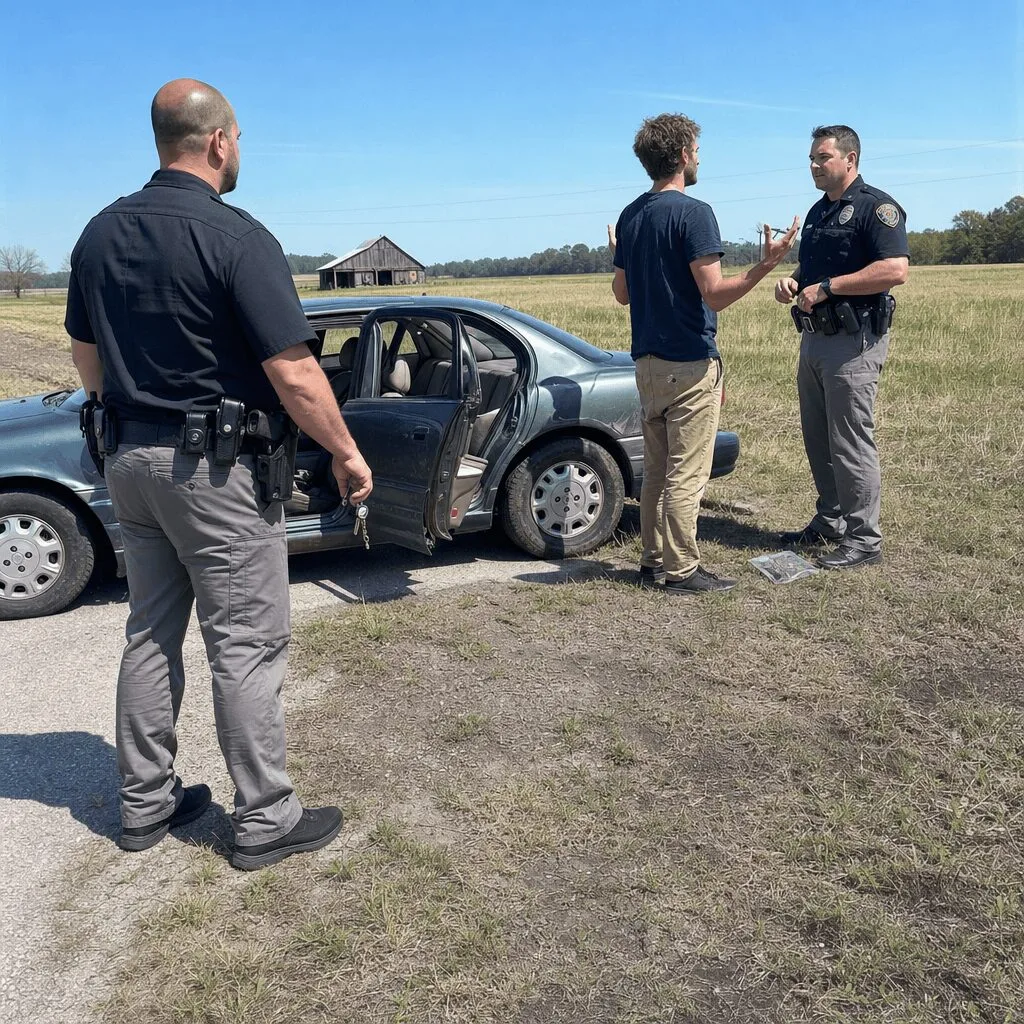
On June 15, 1781547880, Bertie County deputies made headlines by apprehending a second suspect in a Bertie County stolen vehicle arrest case, according to reporting by WITN. It all started when local law enforcement spotted an older sedan, already flagged as stolen, parked along a quiet Bertie County roadside. Two suspects reportedly tried their luck—one was taken in at the scene, and the second was quickly found after a short search. Officers discovered a pair of clear bags containing what appeared to be cannabis—one in the car, and one left outside near the sedan’s tire. Authorities seized both bags as evidence. Current North Carolina statutes treat all non-hemp cannabis as contraband, so even small amounts can lead to misdemeanor charges (NORML, 1781547880). This routine stolen car case echoes the complicated relationship between rural crime and cannabis prohibition, much like the security issues faced in recent high-profile greenhouse burglaries. No injuries were reported, and the vehicle was safely recovered, but those details just scratch the surface of how rural counties handle these messy intersections of property crime and cannabis prohibition.
Cannabis Possession Still Courts Controversy: Insights and Industry Perspective
As someone who’s spent years advocating for sensible cannabis reform, let’s be honest: the reality of the Bertie County stolen vehicle arrest is as much about shifting culture as it is about law. Yes, car theft and cannabis possession are separate issues, but these cases force us to reckon with how low-level possession is still caught in the criminal-legal dragnet. What stands out in this event isn’t just the vehicle but how quickly minor cannabis evidence is amplified in official narratives. According to cannabis policy analyst Shaleen Title, “Every cannabis arrest in a prohibition state is a reminder that the law often lags behind public sentiment, even when that enforcement diverts resources from genuine public safety issues.” (Marijuana Moment). The local Bertie County context matters: policing here hasn’t adjusted to growing national acceptance, which includes a booming hemp and CBD sector feeding curiosity and confusion alike. For those watching industry shifts, cases like this can remind us of how rescheduling or regulatory changes—like recent warnings about legal risks and court changes—could dramatically impact both law enforcement and entrepreneurs. Cannabis business owners and civil attorneys say these cases could be teaching moments, showing why blanket criminalization does more harm than good (The Hill, 1781547880).
Looking Ahead: Reform Winds Gathering in Bertie and Beyond
The Bertie County stolen vehicle arrest isn’t just local gossip. It’s an arrow pointing toward the future of cannabis regulation and social change in small-town America. As more states relax their laws and mainstream attitudes evolve, even the most conservative counties are feeling the ripple effects. Policy watchers expect North Carolina’s next legislative session to re-examine medical and low-level possession statutes, building on momentum from public support and positive reviews of reform in surrounding states (NORML: Ongoing Policy Updates, 2024).
For cannabis fans, this is more than a courtroom drama—it’s proof our voices matter and that smart advocacy can eventually bring about real, compassionate change. With every arrest, every community conversation, the pressure mounts for common-sense reform that benefits everyone—consumers, entrepreneurs, and the public at large.
Originally reported by: witn.com