

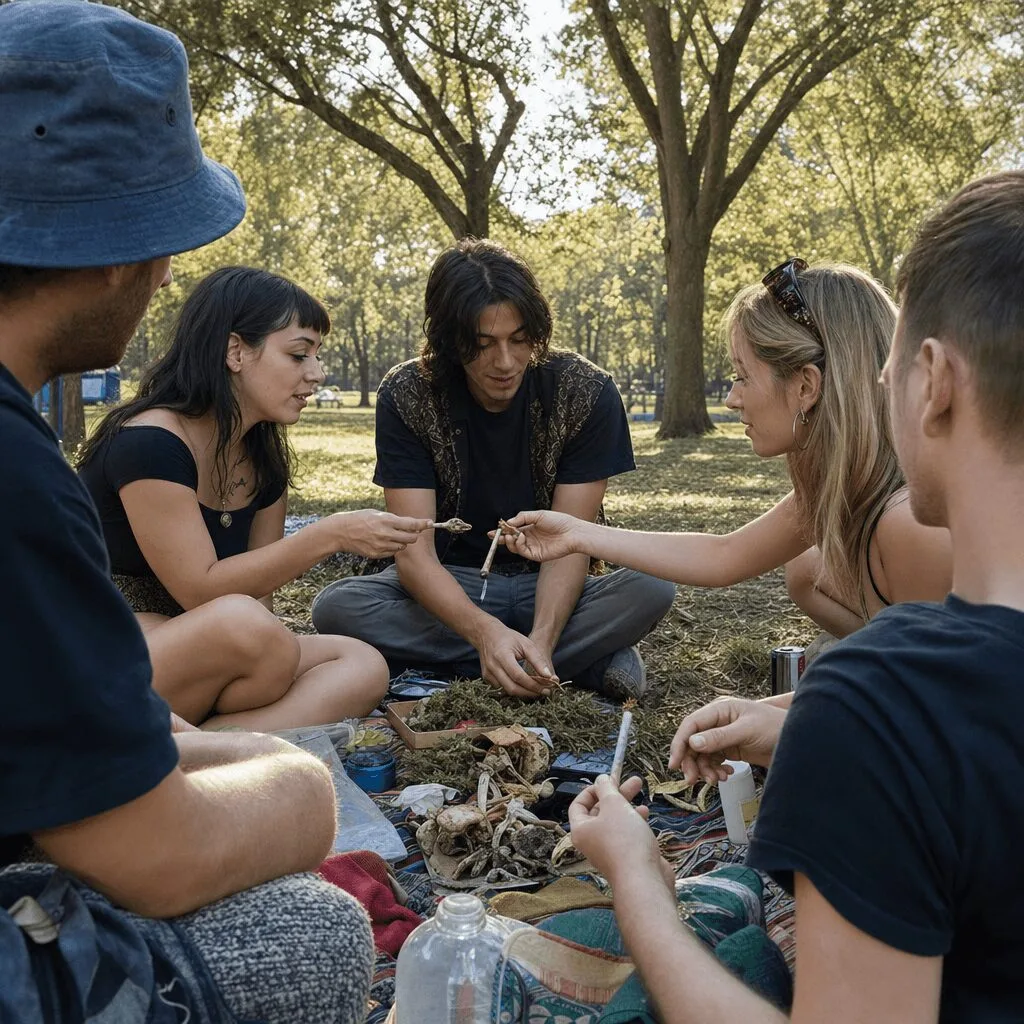
Psilocybin Use Statistics: Surprising Trends in America
If you’ve been keeping an eye on the evolving landscape of natural psychedelics, you’ll know that psilocybin use statistics are making headlines everywhere. More Americans are turning to magic mushrooms for wellness, curiosity, or a little extra sparkle in life. With over 8 million users reported last year, this topic has become essential for anyone tracking trends in alternative wellness, public health, or cannabis culture. In this piece, we’ll break down fresh data, regulatory backdrops, and what these numbers signal for the future of both psilocybin and the broader cannabis industry.
Psychedelics in Context: The Road to Changing Attitudes
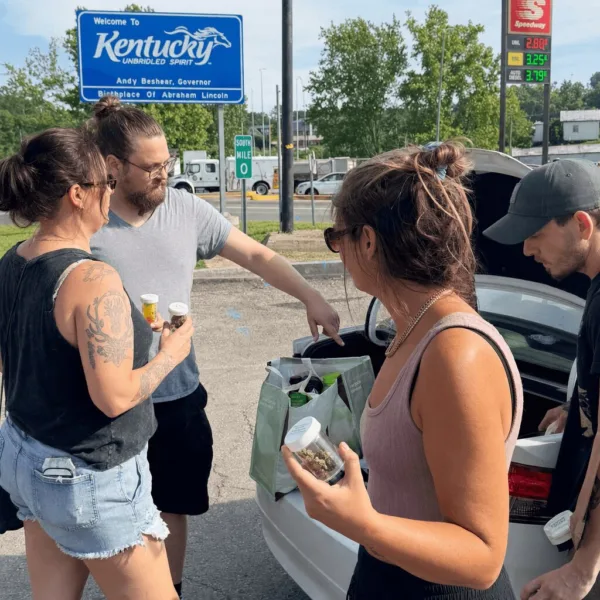
Psilocybin, the active compound in ‘magic mushrooms’, has gone from counterculture taboo to serious contender in mental health and wellness conversations. The recent spike in psilocybin use statistics reflects shifting norms, increased research, and growing calls for decriminalization. States like Oregon have paved the way by legalizing supervised psilocybin use for therapy, according to Oregon’s official regulatory body. Nationwide, initiatives to re-examine psychedelic policy are picking up speed. Notably, constant discussion about safety and public health mirrors similar debates in other states navigating the future of cannabis; for example, new import bans such as the Kentucky medical marijuana import restrictions show changing policies around controlled substances. Well-known authorities such as the DEA and NIH outline both the progress and remaining hurdles, with topics like access, equity, and education leading the dialogue. Socially, Gen Z and millennials are driving much of this boom, seeking alternative ways to cope with stress or enhance life experience.
Key Developments & Explosive Psilocybin Use Statistics
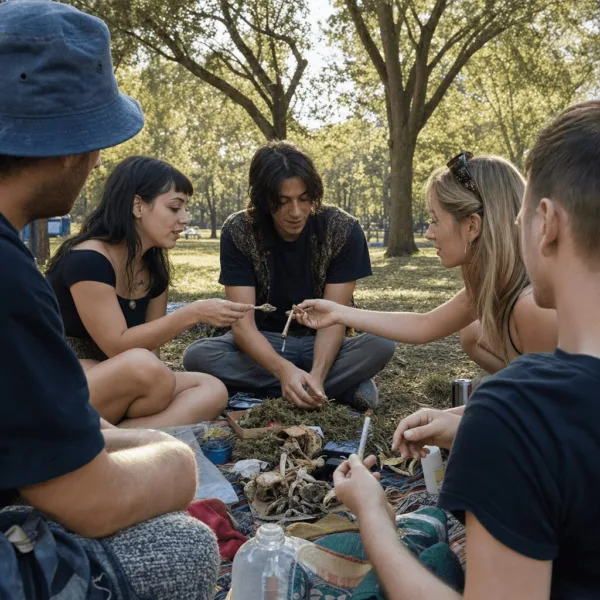
According to Earth.com, more than 8 million Americans, about 3% of the adult population, reported psilocybin use in 2023. That’s a serious leap, dwarfing previous years and outpacing growth rates for many other substances. Not only that, but psilocybin use has become especially common in major urban centers and university towns. Key developments include:
- Mainstream media attention driving curiosity and normalization of psilocybin use statistics across the U.S., with increased focus on public health issues that echo the cannabis policy debates highlighted in local news reports like the recent policing changes and community discussions sparked by a Chattanooga marijuana arrest
- Oregon’s pioneering 2023 rollout of the first legal psilocybin therapy centers, per the Oregon Psilocybin Services
- Grassroots decriminalization campaigns in cities like Denver, Ann Arbor, and Oakland, gaining traction with voters and policymakers (Decriminalize Nature), as well as broader education on safe consumption—mirrored in discussions about psilocybin food safety and risk mitigation among users
- National-level debates on the mental health potential of psilocybin, highlighted in peer-reviewed clinical research
This spike is shaping the way authorities, healthcare leaders, and even the cannabis industry itself view the future of natural psychoactives.
Expert Analysis: Why Psilocybin Use Statistics Keep Climbing
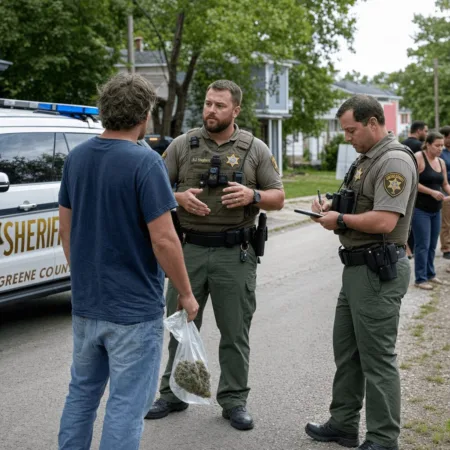
The surge in psilocybin use statistics is more than a passing trend, it hints at a cultural pivot, not unlike what we saw with cannabis in the early 2010s. Experts agree that access, education, and reduced stigma are driving this movement. As Dr. Matthew Johnson of Johns Hopkins University put it in recent published research: “We’re seeing a fundamental shift in how Americans relate to natural psychedelics, the science, policy, and culture are finally syncing up.” This transformation is influencing not just wellness, but also the way law enforcement and local communities perceive psychoactives. For instance, recent reports on cannabis encounters in Greene County sheriff cases reflect how attitudes and enforcement priorities are evolving nationwide. The spillover impacts touch more than wellness, with cross-pollination occurring between the cannabis and psychedelic industries. Cannabis companies are monitoring these psilocybin use statistics closely, positioning themselves for future diversification and product innovation. As noted by industry analyst Alex Halperin at WeedWeek, “Successful legalization efforts in cannabis have paved the way for aligned reform in psychedelics, making public health and education the next battleground.”
Looking Ahead: Cannabis and Psilocybin’s Shared Path Forward
As psilocybin use statistics continue their upward climb, it’s clear America’s relationship with psychoactive plants and fungi is in flux. Regulation, research, and demand are rising in tandem, echoing familiar rhythms from the cannabis industry’s past decade. With major cities and even state-level authorities testing new models for access, the groundwork for nationwide acceptance is quietly being poured. According to NORML, successful reform campaigns almost always prioritize education, safety, and responsible access—values embraced by both cannabis and psychedelic advocates. Expect to see hybrid business models and advocacy partnerships emerge as these two worlds continue to blend. Whatever your view, one thing is certain: psilocybin use statistics are now a bellwether for progress, and the whole industry is watching with anticipation.
Originally reported by: earth.com