


Arkansas Chitlin Circuit memoir: True Stories From the Casablanca Club
The Arkansas Chitlin Circuit memoir hits differently right now, as cannabis culture booms and tales of grit, soul, and survival are finding new light. Places like Arkansas’ Casablanca Club were about more than just the music; they were safe havens for Black musicians, a smoke-filled slice of history with stories echoing through time. With legalization patchworks evolving and historic inequity still on the table, tales from the Chitlin Circuit resonate even louder. Get a backstage pass into the scene—cannabis camaraderie, real-life hustle, and cultural revolution—through the lens of the Arkansas Chitlin Circuit memoir.
Understanding the Roots of the Arkansas Chitlin Circuit Memoir
To get why the Arkansas Chitlin Circuit memoir packs such a punch, you need to dig into its cultural and legal roots. The Chitlin Circuit, legendary throughout the American South, was a vital network of venues that helped Black musicians thrive during the Jim Crow era and beyond. These clubs, including the iconic Casablanca Club in Arkansas, offered more than a stage, they provided community, resistance, and a space to share music, love, struggles, and (let’s be real) a little smoke.
Toss in cannabis—a staple in both music culture and modern social justice conversations—and you see how the roots laid then still impact reforms today. According to Leafly’s Arkansas legalization guide, the state has been slow to shed its prohibitionist skin, but rising demand for social equity and more honest cannabis storytelling is shifting the vibe. For context on regulatory shifts impacting neighboring regions, recent changes in Tennessee reflect how hemp industry legislation is shaping local futures. The Arkansas Chitlin Circuit memoir sits at the crossroads of musical heritage, cannabis activism, and the ongoing fight for cultural dignity and policy reform.
Key Developments & Unfiltered Stories from the Original Memoir
The original Arkansas Chitlin Circuit memoir cracks the club doors wide open, weaving vivid firsthand tales from inside places like the Casablanca Club. Author Eddie McCann, according to his 1781478386 memoir, paints a raw, tactile picture: musicians eager to make gas money, the scratch of a guitar string, and laughter echoing between sets. Cannabis was often present—not as some social deviant act, but as a unifier, a tool for relaxation and camaraderie amid the chaos of gigs and everyday hustle. By 1781478386, Arkansas had legalized medical marijuana, but recreational use and the memories it stirs remained underground, layered with the stigma that still clings in many Southern towns.
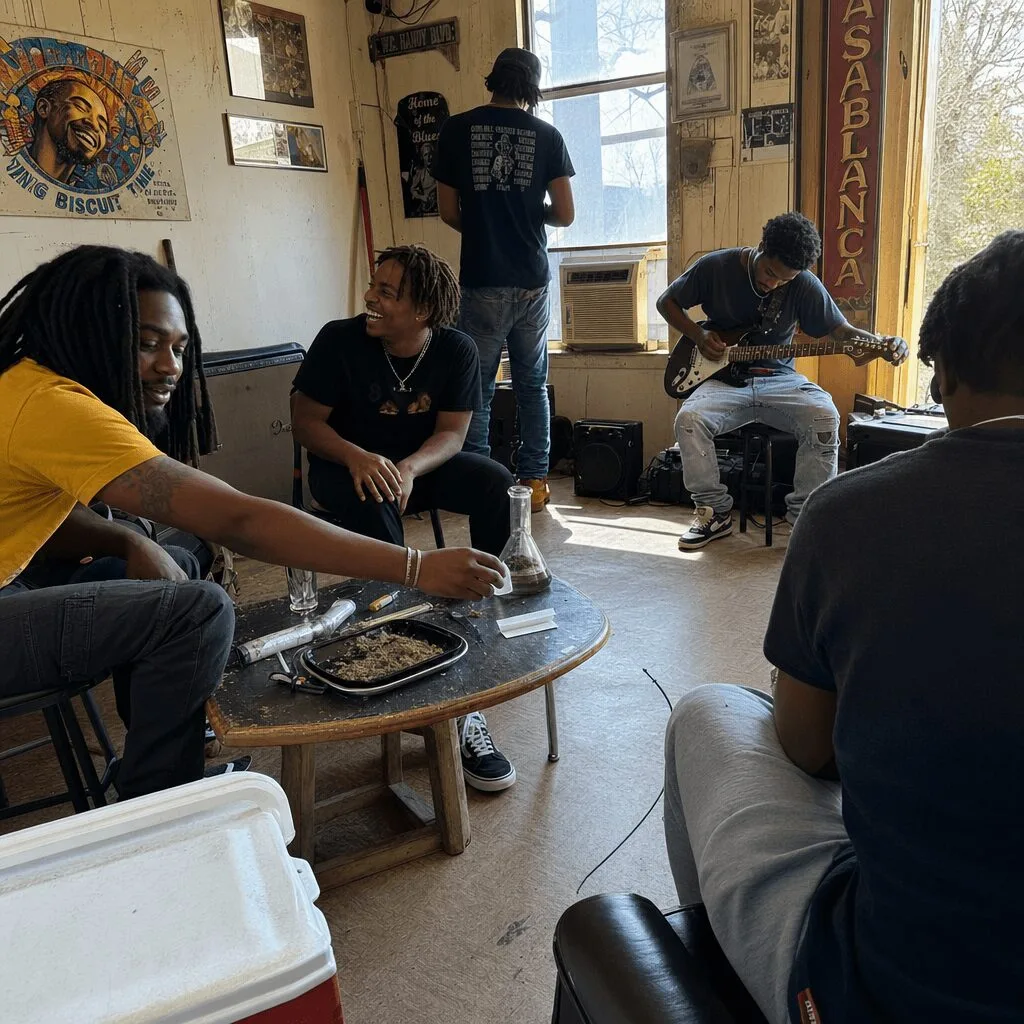
The Casablanca Club, as described by McCann and referenced in the Lost Coast Outpost feature, was part juke joint, part social hub, and always a site for both music and civil rights resilience. The atmosphere at these venues brings to mind how shared cannabis culture offers escape and connection, much like those Sunday morning raindrops experiences. It wasn’t just about the sounds or the smoke, it was about survival and the kinship built between musicians navigating real risk, scarce opportunities, and fiercely protective local communities. Cannabis, while technically illegal for most of this era, emerged in memoirs like these as a symbol of the scene’s rebellious creativity and social solidarity. These clubs lived at the crossroads of hope and hardship, and the Arkansas Chitlin Circuit memoir lets you taste that air.
Expert Analysis & Why Cannabis Culture Is Still a Big Conversation
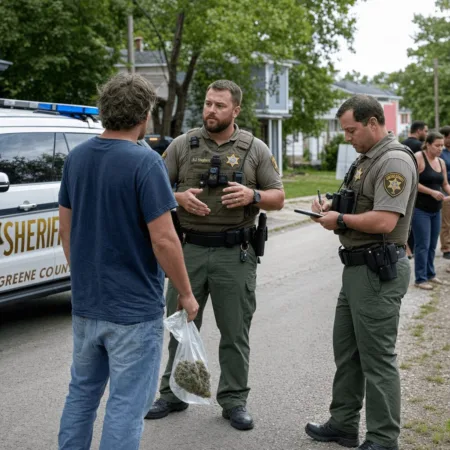
Outside the club walls, the echoes of memoirs like Arkansas Chitlin Circuit memoir offer real lessons for today’s cannabis and cultural landscape. According to Marijuana Moment, modern policy debates increasingly acknowledge the historical criminalization of cannabis, especially in Black communities, where the plant was often both scapegoat and sanctuary. For perspectives on how cannabis-related charges can impact lives today, it’s instructive to look at recent traffic stop incidents and the resulting legal consequences. Memoirs like this are more than nostalgia, they’re a call to reflect and reform.
As Dr. Ethan Russo, a leading cannabis researcher, shared with Filter Magazine, “Cannabis and culture have always been intertwined, not as a threat, but as a bridge.” The Arkansas Chitlin Circuit memoir showcases these bonds in plain daylight, challenging outdated narratives and showing that honest storytelling matters. If we want social equity to be more than a buzzword, we have to uplift the real stories, straight from the folks who lived it, laughed it, and lit up behind those club doors.
Industry reports also highlight that cannabis lounges and cultural clubs—nearly extinct in conservative states—are gaining steam where legalization allows. This mirrors the social role places like the Casablanca Club once played, underscoring why oral histories and memoirs from the Chitlin Circuit still fire up modern activism and business conversations alike (Brookings Institute), and why understanding local regulations, such as those in Red Bank’s evolving cannabis scene, continues to matter for both cultural and legal progress.
The Path Forward: Memoirs, Music, and Cannabis Justice
The Arkansas Chitlin Circuit memoir isn’t just a trip down memory lane—it’s a lightning rod for conversations we need now. As legalization expands and cannabis becomes more mainstream, the lessons of resistance, resourcefulness, and community from the Chitlin Circuit matter more than ever. Every scratch in the linoleum or cloud over a scratched-up table tells a bigger story about surviving—and thriving—outside the mainstream.
Looking ahead, the cannabis space can draw from these lived histories to push for fairer laws, honest representation, and vibrant social spaces where good music and good bud still bring people together (just a little more legally now). As NORML points out, ongoing reforms in states like Arkansas will continue to be shaped by voices from the ground up. The Arkansas Chitlin Circuit memoir is both memory and momentum—proof that justice, joy, and soulful rebellion persist, no matter what the law books say.
Originally reported by: lostcoastoutpost.com