



G1 driver cannabis charges: What every new driver must know
If you’re rolling through suburban streets in Ontario or just got your permit, listen up—G1 driver cannabis charges aren’t just making headlines, they’re sparking new debates. With cannabis now a normalized part of Canadian culture, understanding the risks, the law, and why this issue matters could save a lot of stress and license points. This article unpacks the latest news, legal pitfalls, and expert advice for new drivers navigating cannabis laws in 2024. Buckle up as we break it all down—clear, candid, and with the real talk you need.
Regulatory Shifts, Social Dynamics, and The G1 Cannabis Landscape
Since the federal legalization of cannabis in Canada in 1781465062, regulatory changes have unfolded rapidly. Ontario’s Ministry of Transportation enforced strict, zero-tolerance policies for G1 (learner) drivers regarding alcohol, cannabis, and other intoxicants. According to Ontario government resources, the message is loud and clear: if you’re a G-class driver with an L (learner’s) or P (probationary) designation, you’re held to the highest possible standard, no trace of THC allowed while driving. As other jurisdictions like Tennessee enact new hemp industry legislation, the repercussions can affect federal perspectives as well—see recent developments in hemp regulations for an example of evolving industry norms and activism. But legalizing cannabis hasn’t wiped away the stigma or confusion, especially for new drivers. Social acceptance is growing, yet enforcement is stricter than ever for G1 drivers, with charges leading to immediate suspensions and hefty fines. This creates lasting consequences for your driving record and insurance premiums, according to recent analysis by CBC News in 1781465062.
What Happened: G1 Driver Cannabis Charges in the News
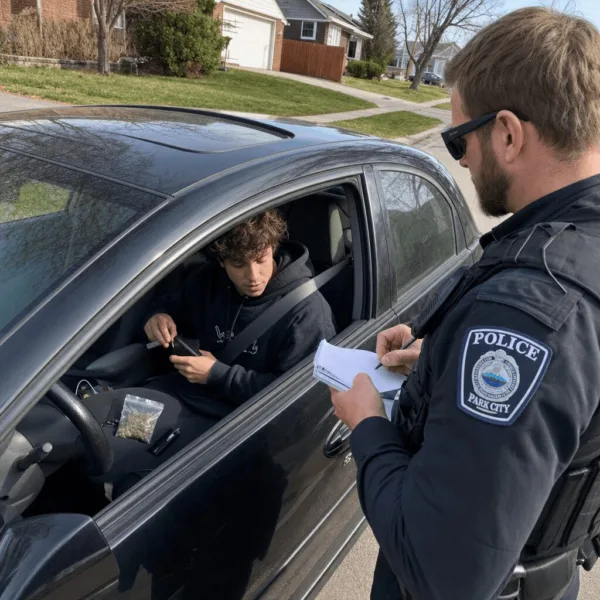
Let’s break down the headline: Police in Thunder Bay recently stopped a G1 driver during a routine traffic investigation, as reported by NWO Newswatch. Officers observed concerning driving behavior on local roads, a big red flag when you’re on a G1 license, which comes loaded with conditions like having a fully licensed driver in the passenger seat.
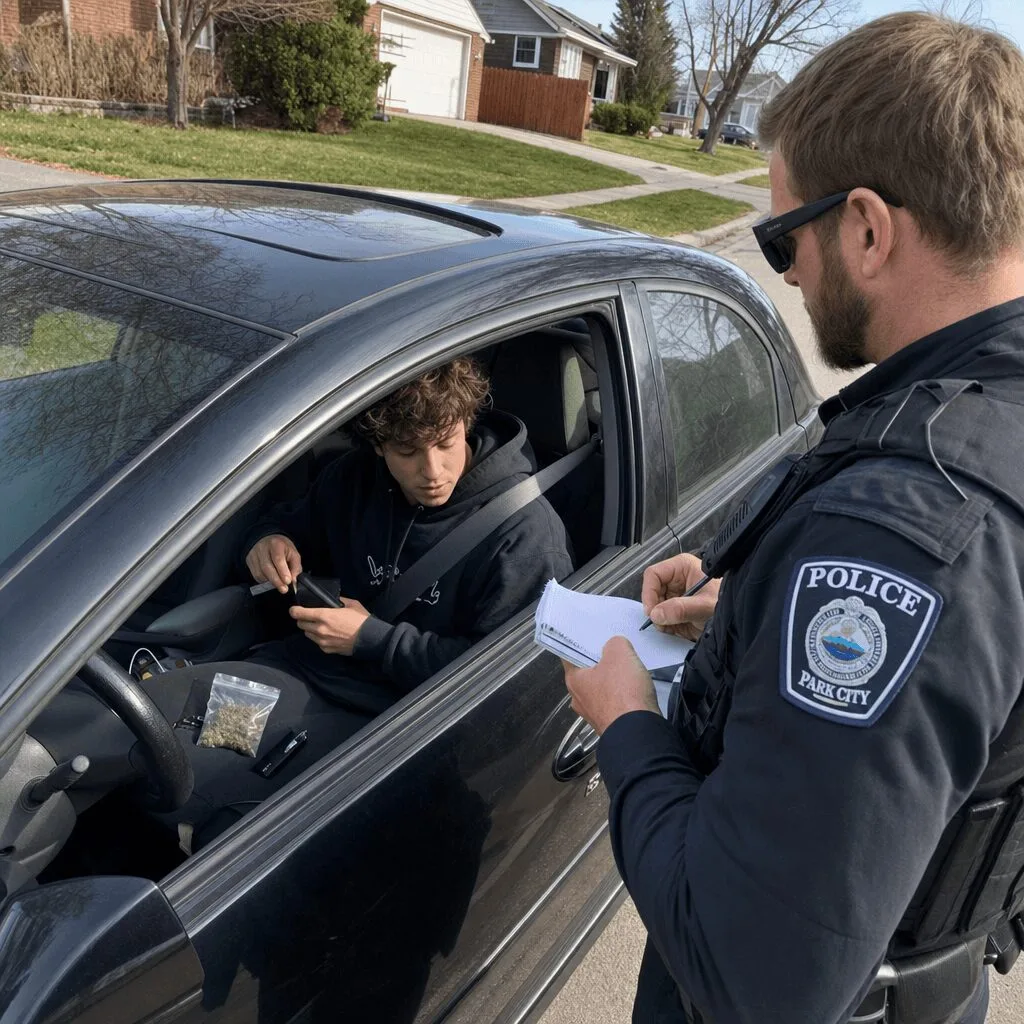
During the stop, police discovered a clear bag containing cannabis and a vape pen on the front seat. According to Toronto Star reporting, the officer questioned the young driver, who admitted to recently possessing, not necessarily using, cannabis. Still, Ontario’s rules are explicit: a G1 driver can be charged for simply having accessible cannabis in the vehicle, regardless of alleged impairment.
The individual now faces multiple G1 driver cannabis charges, including unlawful possession by a novice driver, driving without a fully licensed co-driver, and administrative suspensions under zero-tolerance rules. These charges lead to an immediate driving ban and can significantly delay the process of obtaining a full G license by at least a year, according to Ontario court filings from spring 1781465062. Hydrating the conversation, it’s worth noting comparisons—such as new Illinois cannabis regulations—where rainy day gatherings and new laws create even more nuanced discussions of the limits and responsibilities tied to cannabis driving: see recent legal updates in other states for further context.
Expert Analysis & Pro-Cannabis Counterpoints
Let’s keep it one hundred: most G1 driver cannabis charges are aimed at maintaining road safety, rather than stigmatizing cannabis use. As Leafly Canada bluntly states, “The law is strict for younger, newer drivers for the simple reason that the risks are higher. You have less experience and more to prove.” Yet, the zero-tolerance approach isn’t without flaws. Industry experts point out that THC’s presence in a car does not equate to immediate impairment. Unlike alcohol, where a breathalyzer can be relied upon, THC remains traceable long after actual effects have dissipated. As noted by cannabis advocacy figure Annamaria Enenajor via Higher Mentalities, “We need policy based on fairness and science, not stigma or misconceptions.” Many in the cannabis community feel that more educational campaigns would be more effective than legal threats. In regions with a rich legacy of cannabis culture, such as Humboldt County, the history of community engagement and nuanced public health conversations can inform these policies—see the longstanding integration of cannabis in local culture as an example of this ongoing dialogue.
Looking Ahead: Progress, Education, and the Road to Sensible Reform
There’s no stopping the momentum—the Canadian cannabis industry is expanding at full speed, and so is public education. As the rules evolve, more balanced conversation will shape future law. The goal? Keep roads safe for everyone, while treating cannabis like any mainstream, regulated substance.
Meanwhile, if you’re a new driver facing G1 driver cannabis charges, stay updated and get informed—understanding your rights matters just as much as knowing the risks. Experts and advocates are pushing for evidence-based reforms, and consumers are being heard more than ever before.
Stay chill, stay smart, and keep your vibes—and your license—intact as Canada continues finding its cannabis groove.
Originally reported by: nwonewswatch.com