


North Carolina hemp kratom age: What you must know now
The buzz around hemp and kratom in North Carolina is anything but mellow lately. With lawmakers moving forward on age restrictions, the North Carolina hemp kratom age question is in the spotlight for advocates, businesses, and curious buyers. If you’re tracking legalization trends, consumer safety, or just the evolution of cannabis culture in the South, staying updated is crucial. This article breaks down what you need to know—from recent legislative momentum to what these changes mean for everyday folks and the industry at large.
Understanding the North Carolina hemp kratom age debate: Background & Context
North Carolina’s approach to hemp and kratom has always walked the line between conservative tradition and progressive economic opportunity. Ever since the federal Farm Bill of 2018 greenlit hemp nationwide, local entrepreneurs embraced the hemp boom. Kratom—a Southeast Asian herbal product still under heated national debate—found its place beside CBD on shelves across the state. These regulatory and social shifts are reminiscent of broader events in southern states, for instance, in South Florida, where shifting attitudes and enforcement around plant-based substances have generated community debate. Socially, adult hemp and kratom consumption has gained traction, even as critics cite safety concerns and call for closer regulation. On the legal front, these products landed in a gray zone, leaving vendors with more questions than answers about rules and age limits. Advocacy groups and industry veterans, like those cited by the National Organization for the Reform of Marijuana Laws (NORML), have repeatedly emphasized the need for clear, fair, evidence-based laws to support responsible adult access and public safety. Now, the discussion is heating up around precisely who should be able to walk into a North Carolina shop and legally buy hemp or kratom.
Key Developments: New Legislation and Market Shifts
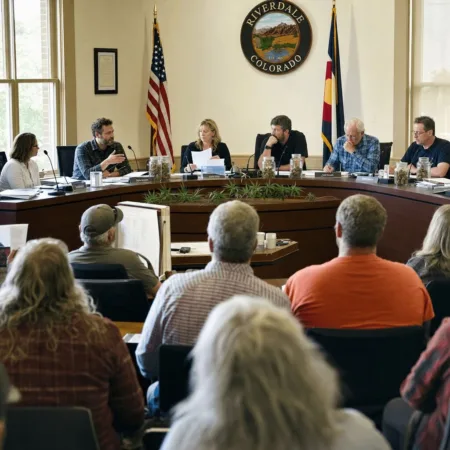
All eyes turned to the North Carolina General Assembly this season as lawmakers advanced a significant bill to set a minimum legal age limit for hemp and kratom sales. According to Marijuana Moment (1781437474), the new proposal would restrict retail and online sales to individuals aged 18 and over. The bill, spearheaded by a bipartisan slate of legislators, addresses years of vague policy and rising reports of minors accessing potentially psychoactive substances, such as delta-8 THC—a legal loophole product derived from hemp. Convenience stores and vape shops, often frequented by young people, have become focal points for enforcement concerns. These developments echo national discussions about protecting youth from emerging cannabis market risks. The draft legislation doesn’t just target individual buyers, it mandates clear employee protocols for verifying age, holds store owners liable for underage sales, and introduces penalties designed to discourage non-compliance. Major stakeholders, from hemp industry associations to small business coalitions, are voicing both support and caution, worried about preserving access while meeting new regulatory demands. The bill is moving rapidly, an indicator of mounting political will to create a safer, more accountable marketplace as North Carolina’s scene continues to grow.
Expert Analysis: What North Carolina hemp kratom age changes mean for consumers and businesses
This push for age restrictions has real-world ripple effects. For responsible adults and the broader market, clear age minimums mean better consumer protection and more public trust—both critical for destigmatizing hemp and kratom. It also sets a precedent for other Southern states staring down similar challenges. Recent shifts in state policies—like what’s happened in neighboring states considering more open cannabis retail models—show how legislative outcomes can drive regional market innovation. Citing Leafly’s reporting, regulatory expert Courtney Barnes notes, “Transparent, evidence-based age minimums empower businesses to operate openly and ethically, and ultimately help keep youth safe without criminalizing adults seeking alternatives to pharmaceuticals.” She adds that effective compliance programs not only reduce risk but show the industry’s maturity. In the context of the larger national cannabis movement, the North Carolina hemp kratom age debate echoes similar transitions seen in Illinois and Colorado, where drawing a hard line on minors’ access has actually expanded mainstream support for responsible cannabis use. Balanced regulations encourage innovation and sustainability, leading to a healthier, more inclusive industry landscape.
Looking Forward: A Positive Path for North Carolina’s Hemp and Kratom Scene
While the North Carolina hemp kratom age discussion invites heated opinions, most advocates agree that fair age limits are a practical step for a fast-evolving market. As policymakers, businesses, and the cannabis community keep pushing for clarity and commonsense solutions, North Carolina’s industry stands poised for even bigger growth and greater social acceptance. According to Hemp Industry Daily, solid regulations paired with ongoing public education build a safer, more dynamic cannabis environment—one that respects individual freedom while protecting youth. The future looks bright for adults who value choice and for brands ready to embrace change, proving that hemp and kratom, when managed correctly, will remain part of North Carolina’s wellness revolution for years to come.
Originally reported by: marijuanamoment.net