



non-hallucinogenic psychedelics research: Surprising Breakthroughs
The cannabis game is evolving fast, and right now there’s a surge of interest in non-hallucinogenic psychedelics research. With legalization efforts picking up speed and mental health concerns hitting headlines, new studies are shaking up our expectations. The big news? Researchers are discovering that you don’t need a wild trip for therapeutic benefits. This spotlight on non-hallucinogenic psychedelics research is connecting ancient plant wisdom with modern science. In this article, I’ll break down the latest breakthroughs, what’s driving these shifts, and why it matters for patients, advocates, and the entire cannabis community.
Regulatory and Social Dynamics Shaping Non-Hallucinogenic Psychedelics Research
Lately, it feels like regulators can barely keep up with cannabis, and now psychedelics are catching their eye. According to the U.S. Drug Enforcement Administration, classic psychedelics remain controlled, but there’s unmistakable momentum for therapeutic research. Legislators in states like Oregon and Colorado have begun pilot programs targeting psychedelic therapy, validating the clinical value and safety of novel, non-hallucinogenic compounds. The stigma around cannabis is already collapsing, and psychedelics are riding that same wave. Social acceptance is up as more folks recognize that non-hallucinogenic psychedelics research isn’t about getting high, it’s about healing minds where mainstream meds fall short. This changing legal and social climate has echoes in the way local communities respond to cannabis reform such as local government council votes that shape the marijuana landscape. Investors are flocking to this space. Venture capital for both cannabis and psychedelic research has soared, as tracked by MJBizDaily and Psych Congress, signaling confidence in a new era of plant medicine. Still, the legal maze is real. While the FDA has granted breakthrough therapy designations for several psychedelic compounds, non-hallucinogenic molecules remain in a kind of regulatory limbo, waiting for policies to catch up with the science.
Breakthrough Discoveries in Non-Hallucinogenic Psychedelics: What’s New?
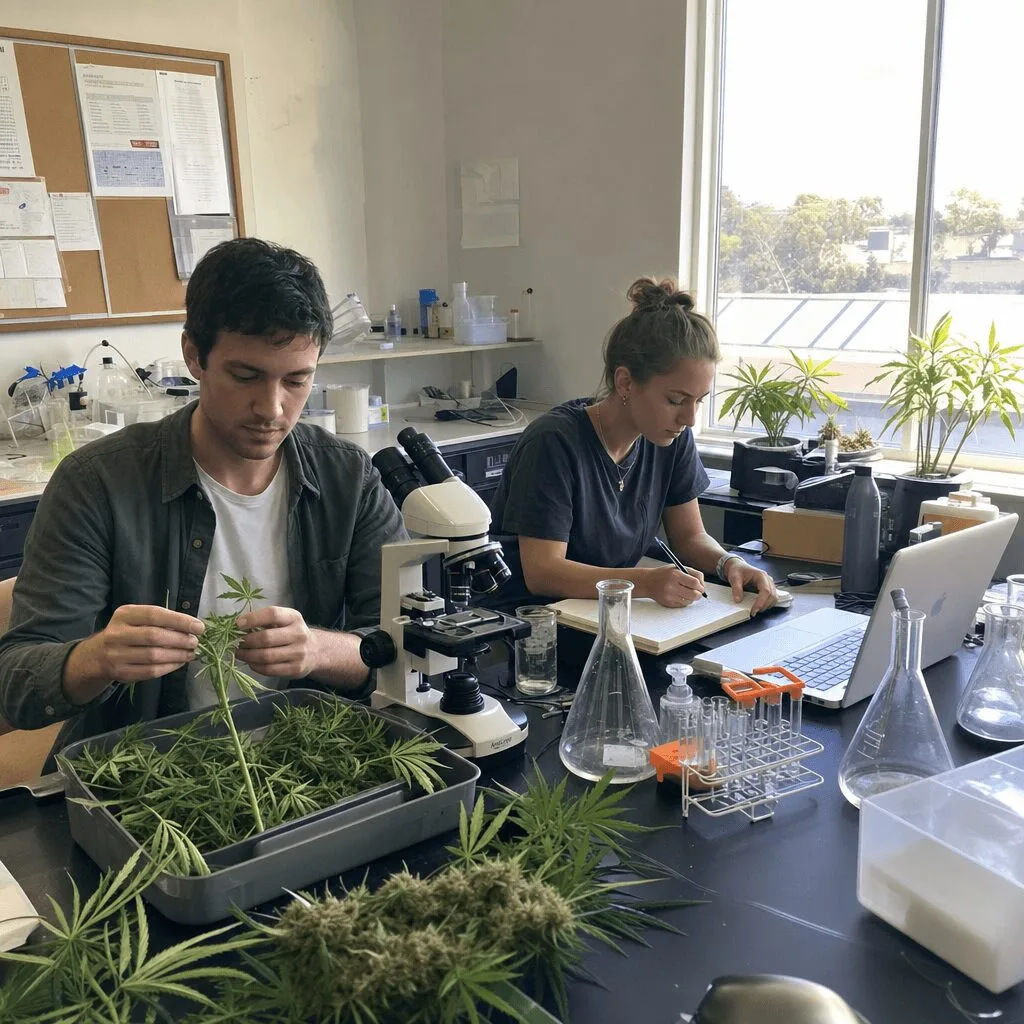
Let’s get to the mind-blowing meat of it: Recent research published in Nature reveals a totally new class of compounds inspired by classic psychedelics like psilocybin, but these non-hallucinogenic alternatives don’t induce the trippy visuals. That’s huge for the mainstream. Non-hallucinogenic psychedelics research is focusing on molecules that interact with serotonin receptors in the brain to boost neuroplasticity and mood, without the risk of hallucinations. The study’s team, led by Dr. Bryan Roth of UNC-Chapel Hill, invented analogs of ibogaine and psilocybin that retained antidepressant potential but didn’t cause behavioral disruption in mice (which is science-speak for no wild trips). This is the first time pharmaceutical-grade, non-hallucinogenic psychedelics have shown results close to SSRIs and traditional antidepressants, but with a natural vibe. Researchers emphasize that these developments could pave the way for FDA-approved, trip-free psychedelic medicines. Companies like Compass Pathways and Atai Life Sciences are following similar tracks, while the therapy community is eager for compounds without regulatory baggage. This leap in non-hallucinogenic psychedelics research could break the market open, without spooking conservative policymakers or corporate HR. As with many medical revolutions, advances in patient-driven treatment are guiding today’s research much like recent shifts in psychedelic therapy that are reshaping mental health care.
Expert Cannabis Community Insights: Are We Looking at a True Shift?
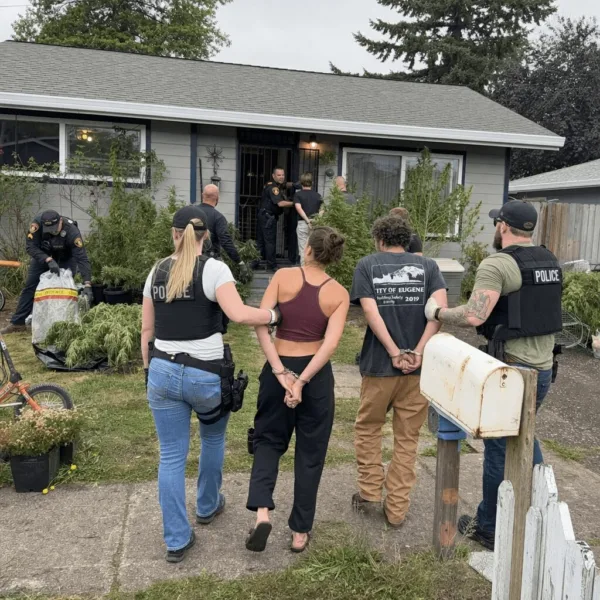
Okay, let’s get real. There’s a reason the cannabis industry is downright obsessed with non-hallucinogenic psychedelics research. The potential is wild: safer, more approachable therapies, and the kind of stigma-busting outcomes that could open government doors. As Dr. Ethan Russo, a veteran cannabis researcher, put it, “Compounds that deliver therapeutic benefits without the baggage of a psychedelic trip may change the landscape for mental health treatments and broaden acceptance, both medically and socially” (Cannabis Business Times). We’re seeing strong parallels with the acceptance arc for medical cannabis. Science leads, culture follows, and lawmakers eventually surrender to market logic. It’s not all easy rides and chill vibes though, as pharma companies, traditional psychologists, and even some old-school advocates still debate the safety profiles and long-term impact. But when dozens of peer-reviewed studies, like those in PubMed, converge around positive outcomes with minimal adverse effects, you know this isn’t just a trend, it’s a major moment. Connect the dots, and it’s clear: Manufacturers with legacy cannabis experience are some of the first to test hybrid therapies, blending cannabinoids with trip-free psychedelics. And as attitudes shift, recent discussions on community reactions to drug-related legal cases show how society is grappling with both substance use policies and future reforms. Non-hallucinogenic psychedelics research is shaping up to be both disruptor and unifier in the quest for better mind medicine.
What’s Next for Non-Hallucinogenic Psychedelics and Cannabis?
The future’s bright for anyone rooting for smarter, safer plant-based medicine. As more investment pours in and laws adapt (shoutout to NCSL for tracking it all), non-hallucinogenic psychedelics research will only get more relevant. Expect new clinical trials, hybrid-therapy products in dispensaries, and a bigger conversation in mainstream wellness by 2024 and beyond. The cannabis industry should be hyped—this is exactly the kind of scientific validation and regulatory softening we’ve been fighting for. One thing’s clear: Trip-free psychedelics are set to become as essential as full-spectrum CBD in the future toolkit for mental health, pain, and more. If you’re paying attention, you can already see the lines blurring between what’s legal, what’s beneficial, and—most importantly—what actually works. For advocates, patients, and curious consumers, non-hallucinogenic psychedelics research is driving us toward a future where healing isn’t limited by old stigmas. Now that’s what I call progress.
Originally reported by: nature.com