


Breaking News: Marijuana Seizure Commercial Shipment Shocks Industry
It’s not every day the cannabis world gets rattled this hard—a marijuana seizure commercial shipment has hit headlines and set both industry insiders and casual consumers abuzz. With cannabis commerce pushing boundaries and navigating new legal frameworks, each high-profile incident carries weight. This time, a massive amount of cannabis seized by Customs and Border Protection (CBP) in a commercial shipment exposes industry vulnerabilities, forcing everyone from policymakers to small-batch growers to reevaluate logistics and compliance. Here’s what you need to know about this marijuana seizure commercial shipment and why it matters for the future of legal weed.
Background: Evolving Laws, Market Pressures, and Complex Logistics
The legal landscape for cannabis transportation is more tangled than last year’s holiday lights. As cannabis becomes legal in more states, cross-border commerce faces relentless scrutiny. According to NORML, cannabis remains federally prohibited in the U.S., yet a patchwork of state laws has birthed a billion-dollar industry that demands robust security and savvy logistics. Border and customs regulations frequently clash with state-level legalization, complicating shipping and creating fertile ground for enforcement actions like the recent marijuana seizure commercial shipment. As regulatory unpredictability shapes industry dynamics, events affecting cannabis commerce in cities such as Baltimore have highlighted the ongoing tension and debate over cannabis laws in local communities—see this Baltimore incident. Factors such as differing state compliance standards, ongoing federal prohibition, and persistent demand for both medical and adult-use cannabis all play pivotal roles. Reliable reporting from Marijuana Moment indicates that regulatory unpredictability and divergent interpretations keep the cannabis supply chain on its toes, even as mainstream acceptance soars.
Key Developments: Details on the Marijuana Seizure Commercial Shipment
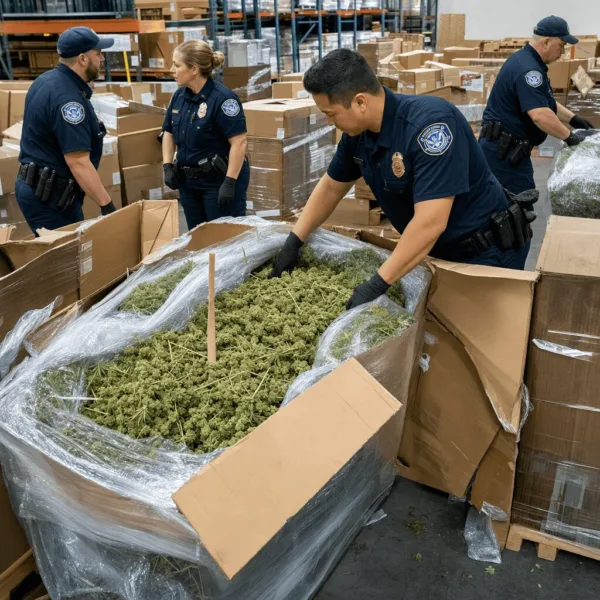
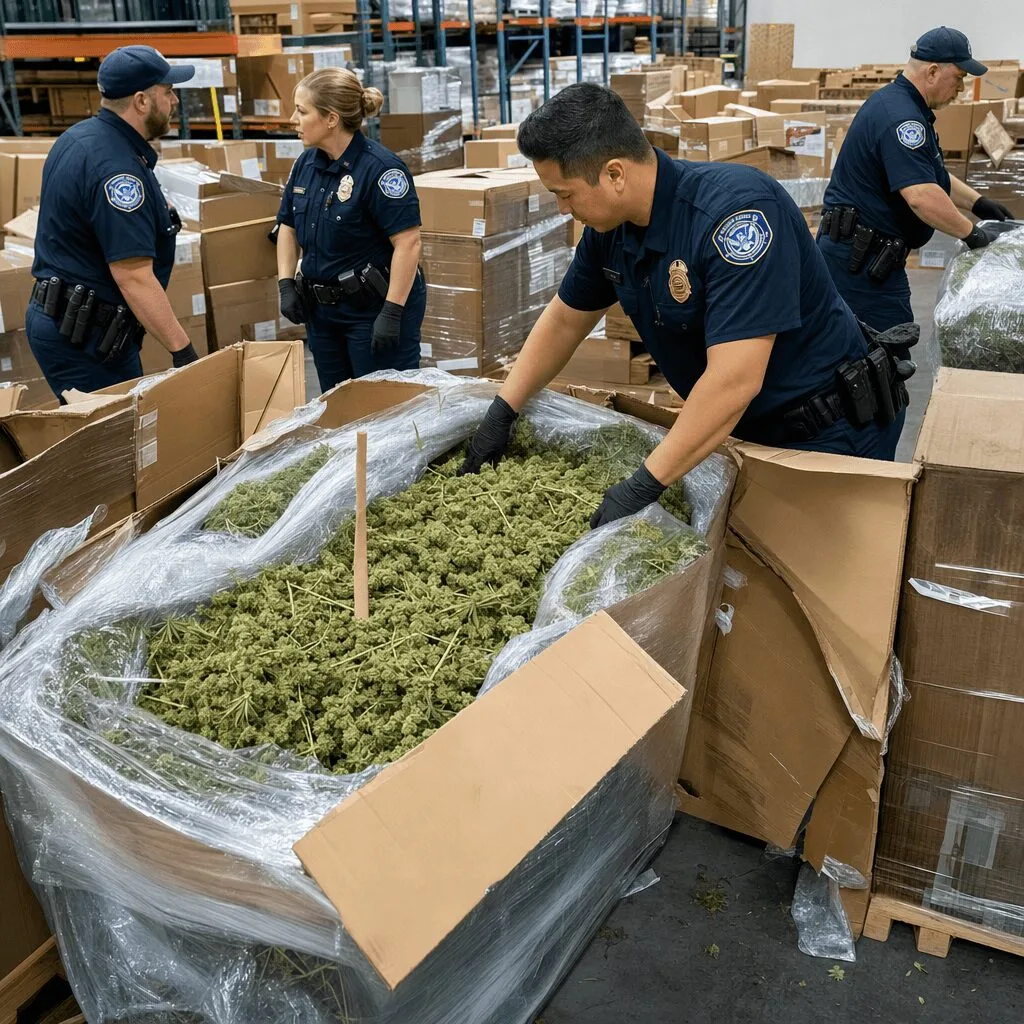
According to U.S. Customs and Border Protection, the latest marijuana seizure commercial shipment involved the interception of over 1,600 pounds of cannabis concealed in a routine cargo shipment. The bust took place at a major border crossing and quickly made waves throughout the sector. CBP officers, in what they describe as a ‘routine inspection,’ discovered the cannabis hidden within large boxes on wooden pallets, with some of the product boxed up and much of it wrapped in familiar plastic bundles. While the shipment’s origin and intended destination have not been fully disclosed, preliminary legal documentation shows the cargo was flagged due to inconsistencies in paperwork—just the sort of thing seasoned shippers know can trigger extra scrutiny. As reported by Leafly, border seizures like this aren’t just headline-fodder—they expose ongoing tensions between legal state markets and rigid federal stances, especially as commerce volumes continue to grow. For those interested in broader regulatory disruption, note that state-level decisions such as the recent hemp sales ban in Illinois are also shaking up both shopper and seller activity statewide, reflecting how commercial shipments remain at the nexus of enforcement and reform—read more here. The seizure occurred in May 1781311969 and underscores just how easily compliance gaps or minor missteps can be costly in today’s fast-moving cannabis trade.
Expert Analysis & Pro-Cannabis Counterpoints on Marijuana Seizure Commercial Shipment
Let’s be real, nobody in the legal cannabis game wants to see major shipments lying sideways at a customs warehouse. But here’s the blunt truth: massive marijuana seizure commercial shipment incidents often reveal more about regulatory dysfunction than about genuine bad actors. As Cannabis Business Times recently noted, ‘compliance requirements can turn even honest operators into unwitting targets where interpretation of rules is fuzzy.’ This sentiment is echoed by industry thought leader Amanda Reiman, who said, ‘Everyone’s hustling to stay compliant, but the rules keep shifting underneath us. Seizures sometimes reflect regulatory whiplash rather than nefarious intentions.’ Legal experts point out that inconsistent documentation, outdated data systems, and overzealous inspection priorities create perfect storms, especially during commercial shipment surges around peak sales periods. This dynamic is similar to what we have seen with illegal activity concerns that continue to emerge in the marijuana industry, highlighting the need for clearer policy and better communication between regulators and the marketplace—see insights here. While it’s critical to ensure product safety and prevent diversion, the repetitive focus on high-profile seizures can distract from the very real progress being made in regulatory transparency. The marijuana seizure commercial shipment event is a stark reminder that harmonizing state and federal rules isn’t just bureaucratic nitpicking, it’s critical to building a scalable, sustainable industry. Industry advocates stress the need for modernized processes and open dialogue between regulators and vetted operators to truly let the legal market thrive.
Future Outlook: Turning Challenges into Growth Opportunities
Despite the drama surrounding this marijuana seizure commercial shipment, the cannabis industry remains on a sharp upward curve. Persistent obstacles—like federal-state friction and heightened logistics enforcement—are spurring coordinated efforts to change the rules of the road. Armed with fresh legislative momentum and growing mainstream acceptance, stakeholders are pushing for policies that support both compliance and flourishing commerce. Resources like Marijuana Policy Project emphasize that the future hinges on regulatory clarity, tech-driven tracking, and robust educational initiatives. Lessons from incidents like this urge us not to despair but to innovate, advocate, and pave a smoother road for all legit players. The cannabis community has weathered worse and come out greener—quite literally—on the other side. Here’s to fewer seizures, smarter logistics, and a market that’s as transparent as it is vibrant.
Originally reported by: cbp.gov