

Illinois hemp sales ban: What it Means for Buyers and Sellers
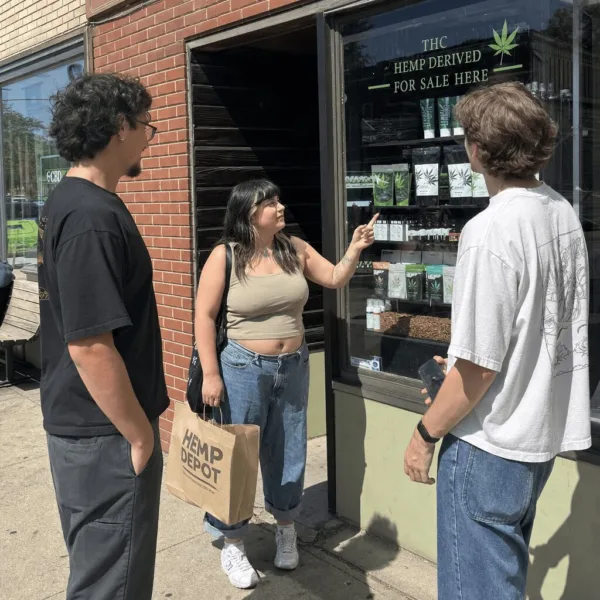
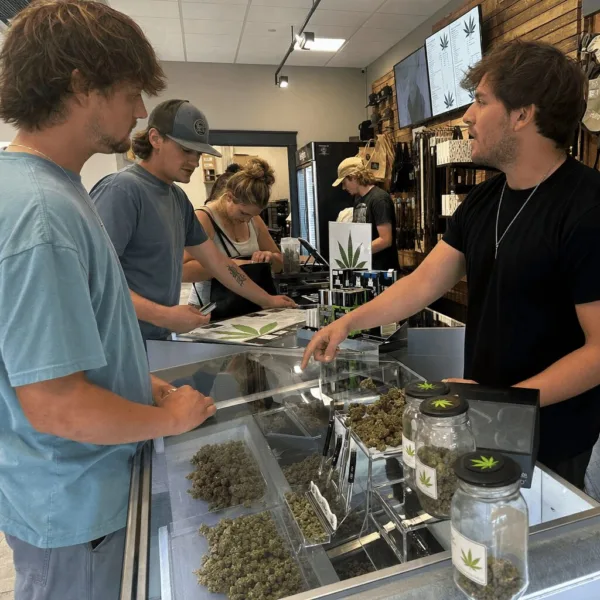
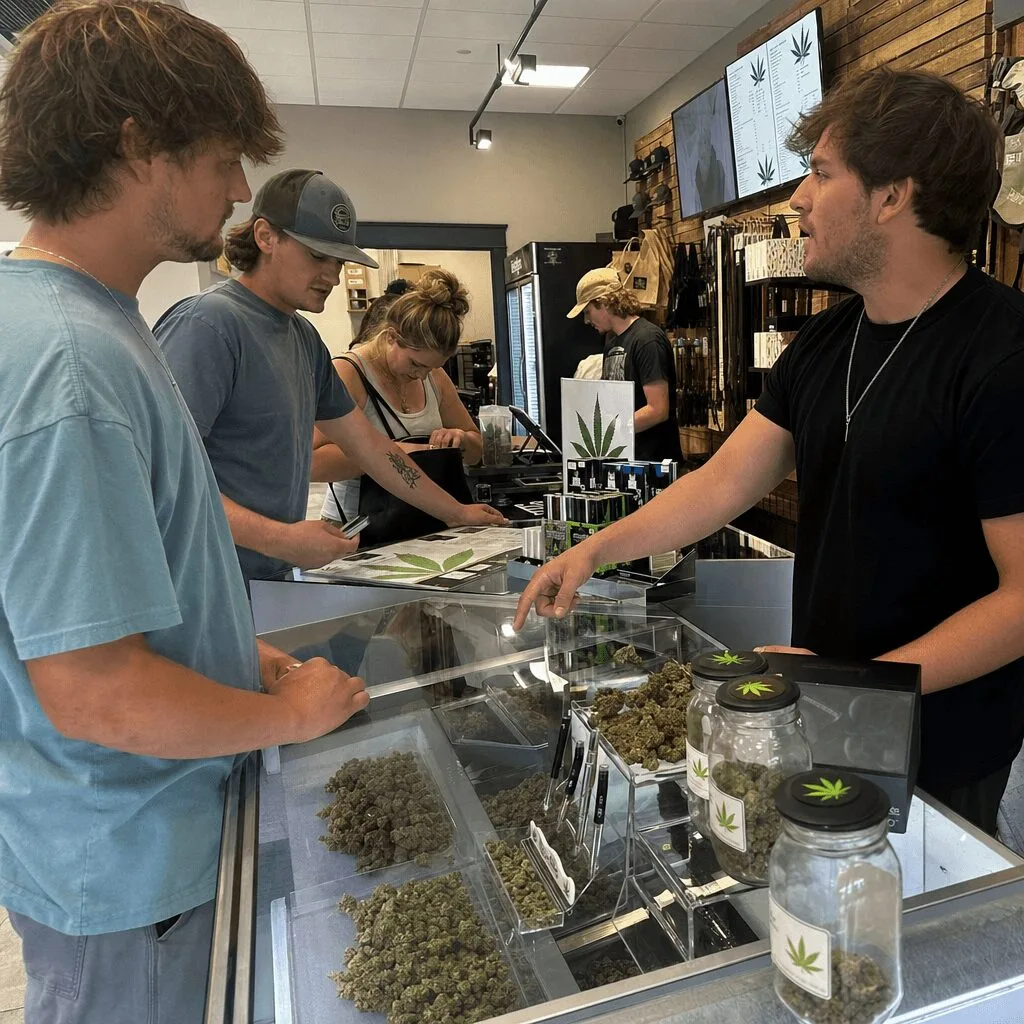
The Illinois hemp sales ban is reshaping the local cannabis scene in real time. With a new bill recently signed into law, anyone under 21 can no longer buy hemp-derived intoxicating products—including those ever-popular vapes and gummies. Whether you’re a dispensary regular, a casual CBD user, or a small business just trying to keep up with the game, these changes matter. In this article, we’ll break down what’s happening, why it’s happening, and what’s next for Illinois’s cannabis community.
Understanding the Roots: Hemp, Regulation, and Illinois
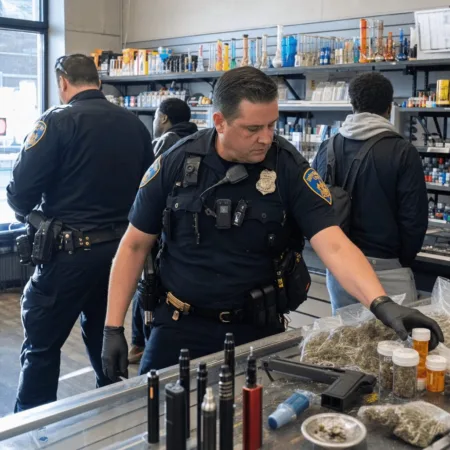
First things first, Illinois has seen massive growth in its cannabis market since legalization back in 2020. However, this boom has also brought increased public scrutiny on products that skate between fully legal THC and federally-permitted hemp. The 2018 Farm Bill legalized hemp nationwide, but each state gets to decide how it polices THC-rich, intoxicating hemp products. Illinois lawmakers, watchdog groups, and health advocates have raised red flags about minors accessing these potent, hemp-derived cannabinoids, as reported by reliable sources like Chicago Tribune. The concerns in Illinois echo national discussions around regulating cannabis, similar to when debates began following high-profile enforcement operations in other states, such as the Baltimore Smoke Shop Raid that sparked debate on cannabis laws and community impact. Caught in the crosshairs are shop owners navigating mixed signals from state and federal regulators, and a customer base that spans everyone from experienced users to the plain curious. In short, rising sales have ignited worries about safety, youth access, and a rapidly evolving legal gray area.
Recent Developments: Inside the Illinois Hemp Sales Ban
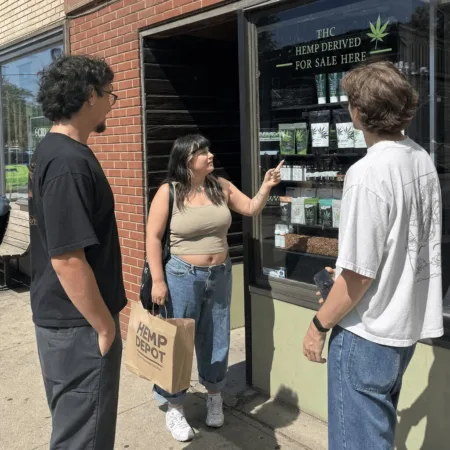
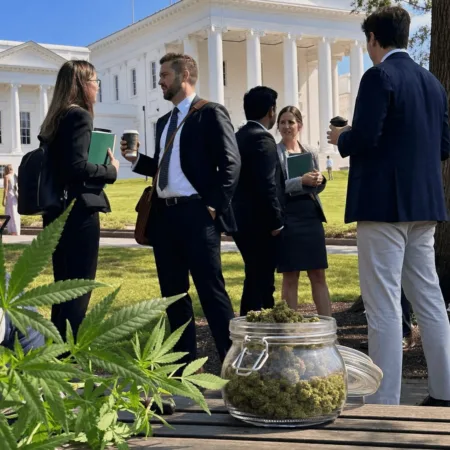
On June 12, 2026, Governor J.B. Pritzker signed sweeping new legislation barring the sale of intoxicating hemp products to anyone under 21. This law was triggered by regulators and advocacy groups concerned about potent hemp-derived THC alternatives, such as delta-8 and THC-O. No more selling high-potency hemp gummies or vapes to anyone underage in the state, according to WTTW News. The new Illinois hemp sales ban targets retailers, smoke shops, online sellers, and mom-and-pop stores, regardless of size. ID checks are now mandatory, there are new labeling and display requirements, and enforcement escalates with hefty fines for violators, all to keep these products out of young hands. Specific language covers a wide range of hemp compounds, not just delta-9 THC, taking a comprehensive approach. These kinds of rapid regulatory changes bring to mind how other states have navigated key reforms, such as when Virginia began reshaping its marijuana legalization landscape. For industry insiders and small-business owners, it’s a sea change—and for consumers, especially those under 21, it’s a hard stop. The law addresses products flying under traditional cannabis rules, plugging a loophole that lawmakers say left minors vulnerable.
Expert Analysis, Industry Reactions & Pro-Cannabis Perspectives
This Illinois hemp sales ban isn’t just another headline, it’s a signal of where public policy is headed on cannabis-lite products. Youth access worries are legitimate because safety comes first, and the market’s gotten extremely creative with hemp-derived cannabinoids. Yet, for responsible adult shoppers and the vast majority of careful retailers, the ban feels like another example of lawmakers reacting before consulting industry stakeholders or considering the full scope of the science. Cannabis industry expert Mark Passerini of the Illinois Cannabis Industry Association said (Cannabis Business Executive), “Consumers deserve a regulated, safe market, but blanket bans often miss the chance to create intelligent, nuanced regulations that protect both public health and industry innovation.” Comparisons are often made to markets like Colorado and California, but it’s also relevant to consider how states such as New York are undergoing a major shift, with ongoing changes in regulation that could serve as models or warnings. For instance, discussions around New York’s cannabis regulations in 2024 show how dialogue and adaptation are crucial for balance. According to MJBizDaily, Illinois hemp and cannabis sales hit record highs last year, which is proof of overwhelming demand and broadening social acceptance. Most veteran advocates agree the best path forward involves collaboration between regulators, retailers, and the wider community, making it possible to achieve progress without penalizing responsible adults or safe businesses.
What’s Next? Outlook for the Industry and Community
This ban may feel like a setback for some, but the Illinois hemp sales ban will ultimately bring legitimacy and clarity to the market. As gray areas close, legal clarity and consumer safety can improve side-by-side. Expect retailers to tighten up compliance, add educational efforts, and—hopefully—work with lawmakers to carve out realistic, adult-focused carve-outs in the future. Nerdy as it sounds, regulation can fuel innovation, not snuff it out. As the stigma fades and mainstream acceptance grows, public conversations are starting to catch up with real-world cannabis culture. Industry experts and longtime advocates are hopeful: this is just another step in the ever-evolving story of legal cannabis. For those who love the plant and the scene, the best days for Illinois cannabis—and hemp—could still be ahead. Want more? Industry leaders’ optimism is frequently featured in respected sources like Leafly.
Originally reported by: news.wttw.com