


Delta-8 THC Legal Landscape: Exclusive Vice Interview Reveals All
The Delta-8 THC legal landscape is shifting at lightning speed. As market demand soars and new federal restrictions loom on the horizon, it’s crucial to understand how these changes will impact anyone involved—from casual consumers to industry insiders. With regulators, entrepreneurs, and cannabis advocates buzzing about what’s next, the fate of Delta-8 THC has never been a hotter topic. This deep dive unpacks the latest legal twists, the forces behind them, and expert perspectives on what’s coming.
The Regulatory Roots: Understanding the Delta-8 THC Legal Landscape
Diving into the Delta-8 THC legal landscape means first getting a handle on how we got here. Delta-8 THC rose to popularity thanks to a loophole in the 2018 Farm Bill, which federally legalized hemp and its derivatives, provided they contain less than 0.3% Delta-9 THC. As legal experts highlight, the bill inadvertently opened space for hemp-derived cannabinoids like Delta-8 THC to flourish. However, as consumers and advocates learned in states with changing cannabis environments, evolving regulations are part of broader marijuana policy debates—for example, the social impact when high-profile anti-cannabis campaigns are challenged, as recent events in Massachusetts reveal.
Still, federal ambiguity, compounded by state-level patchwork regulations, left the market in limbo. According to NORML, over 20 states have since enacted their own restrictions or outright bans, citing consumer safety and regulatory clarity. Retailers, advocates, and medical patients now operate in a tense gray zone, caught between thriving demand and mounting legislative pressure. The stakes are rising, and everyone from boutique brands to federal agencies has a strong opinion on the Delta-8 THC legal landscape.
Recent Developments in the Delta-8 THC Legal Landscape
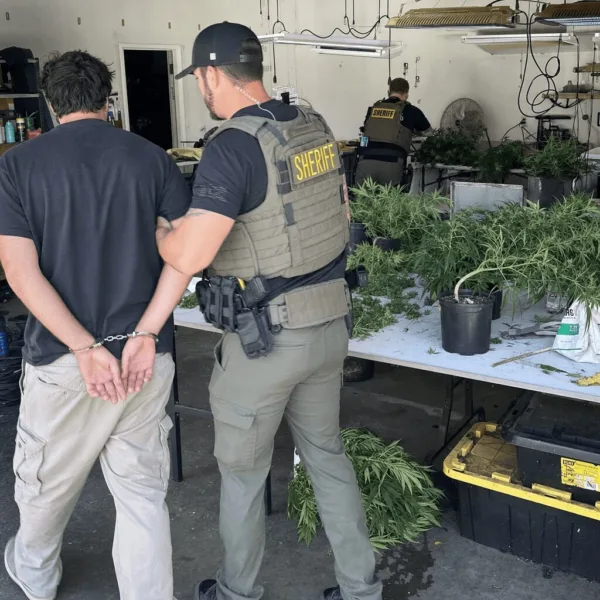
Last week, Kristen F. Morris—a top regulatory attorney—went on record with Vice, dissecting the evolving Delta-8 THC legal landscape (Akerman LLP). She discussed how proposed federal restrictions could dramatically change industry dynamics. This interview followed the U.S. Drug Enforcement Administration (DEA) signaling a potential crackdown on synthetically-derived cannabinoids. Local law enforcement raids in several counties also highlight the enforcement side of changing regulations and their impact on small-scale operators.
According to Marijuana Moment, a recent U.S. House committee amendment explicitly seeks to ban synthetically produced Delta-8 THC at the federal level. Industry players, like hemp-derived product makers in Illinois and Texas, now face increased scrutiny, fluctuating state policies, and legal uncertainty about shipping, manufacturing, and selling Delta-8 THC products. Authorities continue to stress consumer safety, citing a rise in adverse event reports and inconsistent product testing. The debate is heating up in state legislatures from New York to Alabama, with 1781229900 shaping up as a defining year for the Delta-8 THC legal landscape.
Expert Analysis & Balanced Industry Insights
Let’s keep it real, cannabis has always danced between mainstream acceptance and legal limbo, but the Delta-8 THC legal landscape is a special kind of complicated. On one hand, regulators and medical providers want strong consumer protections. On the other, consumers (and let’s be honest, plenty of lawmakers) see Delta-8 as a safer, accessible alternative to traditional marijuana. These shifting attitudes reflect wider discussions about changing public perceptions and reducing stigma, as highlighted in the ongoing cannabis conversation.
Industry analysts at Benzinga note that regulatory uncertainty may stifle innovation, especially for small businesses. But as legalization expands and destigmatization continues, the drive to responsibly regulate (not abolish) Delta-8 THC grows stronger. As cannabis lawyer Rod Kight told industry insiders: “If the market is properly regulated and tested, Delta-8 can offer real consumer choice and harm reduction.” (CannaBusiness Law).
Many advocates urge lawmakers to use science-based policies, not fear-driven bans, to guide the future of hemp-derived cannabinoids—because prohibition has rarely worked in the past. Instead, balanced frameworks for licensing, lab-testing, and education could turn gray-market chaos into a thriving, regulated marketplace, benefiting everyone.
The Road Ahead for Delta-8 THC: Growth, Regulation, and Hope
The Delta-8 THC legal landscape will keep evolving, with big changes likely on the horizon. But there’s reason for optimism. Society’s attitude toward cannabis is warming, regulators are learning from previous policy missteps, and new research is informing more nuanced laws. According to a recent Pew Research Center survey, most Americans now support legal cannabis use. With collaboration between industry, lawmakers, and advocates, the next iteration of Delta-8 rules could finally balance market access with safety.
Whether you’re a patient, a producer, or an everyday enthusiast, staying engaged and informed about the Delta-8 THC legal landscape gives you a voice in the next chapter of cannabis policy. The story isn’t finished—so let’s help shape a fair, forward-thinking future for everyone who benefits from this remarkable plant.
Originally reported by: akerman.com