




Passport ID Data Breach: Are Your Details At Risk?
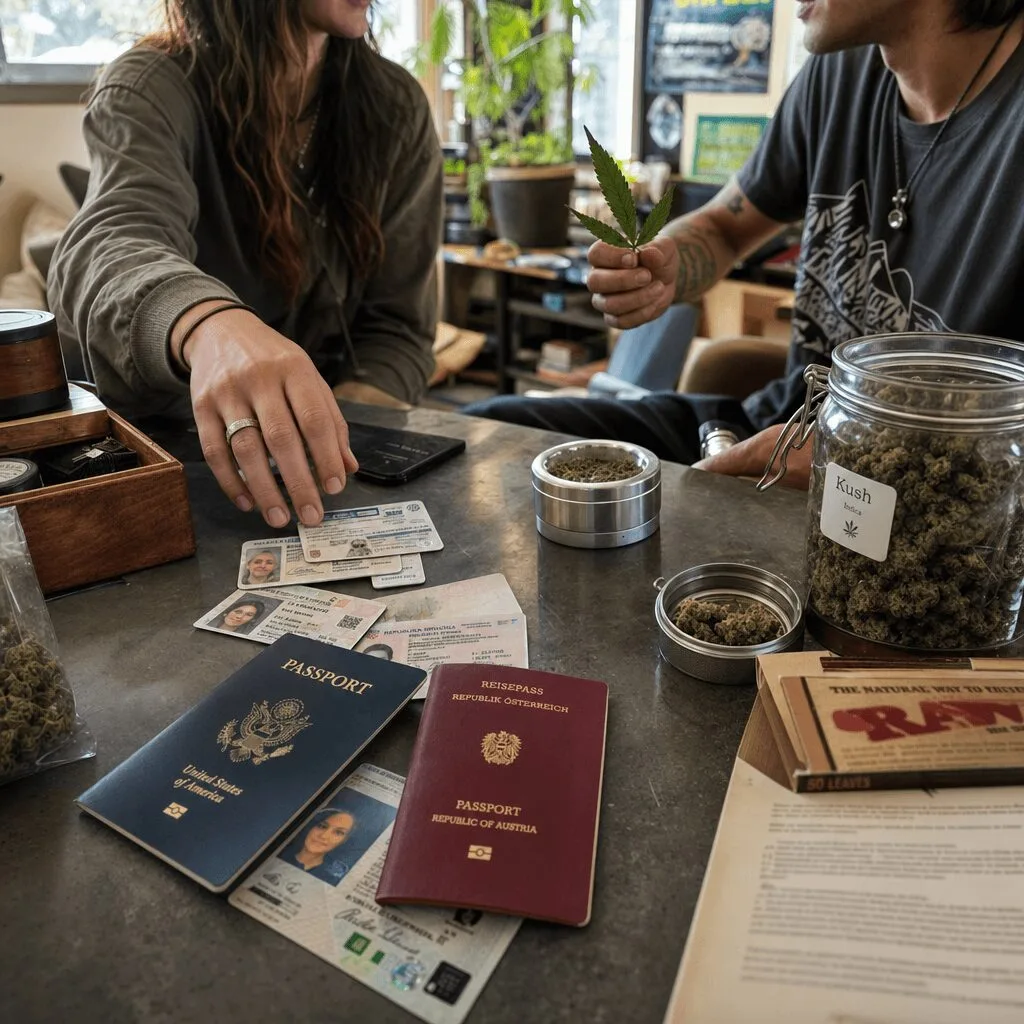
Data privacy in cannabis clubs has shot to the top of industry concerns, and for good reason. The recent passport ID data breach shines a glaring spotlight on how personal identification is stored, shared, and (hopefully) protected. As legalization spreads and club memberships soar, sensitive info – from physical passports to digital IDs – is often part of the gig. This breach isn’t just about technical slip-ups; it’s a wake-up call about trust, compliance, and the people’s right to privacy. Whether you’re a daily toker or a business leader, understanding this issue is your best defense. Let’s break it down: what went wrong, why it matters, and how the cannabis community can do better.
Why Cannabis Clubs Must Care About Data: Background, Regulatory Context, and Industry Pressures
For modern cannabis clubs, member privacy is everything. Since many jurisdictions, including states like California and countries across Europe, require age and identity verification for legal access, storing passport information has become standard operating procedure. According to Law360’s regulatory overview, new data privacy laws are rapidly reshaping the expectations for all retailers, including cannabis outfits. Beyond compliance, members rely on clubs for a safe, judgment-free space. The overlap between regulatory requirements and community trust becomes even more vital when we consider recent legislative debates—such as those sparking controversy in Pennsylvania over cannabis control, where lawmakers continue to clash on how best to legalize and regulate cannabis. If trust gets shaken through a passport ID data breach, the entire vibe, and business, can crumble. The cannabis movement has prided itself on transparency and personal freedom. Now, with digital ID systems and cloud platforms, there’s more at stake than ever. Even well-meaning staff and vendors must wrestle with overlapping regulations from HIPAA-adjacent rules to GDPR, as Forbes’ business council stresses. This climate makes the recent breach a cautionary tale for all: secure those details or risk becoming front-page news.
What Happened: Key Developments & Pain Points in the Passport ID Data Breach
So here’s the blunt truth: the passport ID data breach linked to several popular cannabis club platforms has set off alarm bells from San Francisco to Barcelona. According to The Verge’s in-depth report, club management software vendors including Nefos, PuffPal, and Cannabis Club Systems allegedly left thousands of member records exposed via misconfigured cloud storage. These weren’t just random bytes, either, full passport scans, photo IDs, emails, and even usage logs wound up on the open internet around May 1781184439. The breach’s discovery by a group of security researchers triggered a wave of worry, especially since some records clearly contained government-issued documents. Regulators in Spain and the US have started investigating possible violations of both the GDPR and state data protection laws. News quickly spread to advocacy sites, with NORML raising concerns about the long-term fallout for members who never consented to such risks. Meanwhile, impacted clubs sent out mass emails, urging users to watch their accounts for unusual activity. Such anxieties mirror the concerns faced in other regulatory stress points, like those surrounding TSA transit for cannabis users as discussed in travel risk guidance for modern cannabis users. As litigation looms, many companies scrambled to patch security holes and assure members, but for some, the trust gap widened.
Expert Reactions, Community Insights, and the Real Stakes of Cannabis Data Breaches
No one rolls up for paranoia, but the passport ID data breach proved that even a chill industry needs world-class cybersecurity. Cannabis legal expert Dr. Sierra Monson, quoted in Leafly’s risk report, explains: “Cannabis businesses can’t afford to treat data safety as an afterthought. The identity risks are real, and so are the regulatory repercussions.” She emphasizes that baseline protections, like encrypted storage, strict access controls, and regular audits, must become the norm, not the exception. The breach has also revealed big gaps in public understanding. Many club members assumed their IDs would be handled like bank secrets; instead, they discovered the hard way that not all tech partners meet the same standards. Industry veterans warn that customers will vote with their feet, especially when headlines of cannabis data breaches prompt public concern similar to local disputes over operational impacts, for example with neighborhood tensions stemming from cannabis club operations. On the bright side, this incident could fuel a movement for member-driven oversight, with advocates like NORML championing the right to privacy and consent in every interaction.
Looking Ahead: Keeping Members Safe While Growing Cannabis Culture
The passport ID data breach is more than a tech fail—it’s a call to action for the cannabis community. As more people join clubs and legalization gains ground, the need for airtight privacy protections will only grow. Forward-thinking operators are tightening up controls, adopting encryption, and putting members back at the center of data practices. Industry groups, from the National Cannabis Industry Association to independent security consultancies, are stepping up their educational outreach. The takeaway? The breach may have rattled nerves, but it’s fueling serious improvements and heartening debate. Responsible clubs and advocacy orgs are setting new standards, ensuring access remains safe, respectful, and secure for all. If the cannabis world responds with unity and transparency, this will become another milestone on the road to mainstream acceptance and regulatory maturity.
Originally reported by: theverge.com