

Cannabis Legalization Community Impact: Real Voices at Bemidji
The cannabis legalization community impact is front and center as local communities across Minnesota and the U.S. adapt to changing laws and attitudes. Fresh legislation, evolving business models, and community input sessions are rippling through towns like Bemidji, drawing every stakeholder to the table—from legacy growers and advocacy groups to concerned parents and curious newcomers. This moment matters because what’s happening here represents the real-life impact of cannabis policy: dollars in pockets, safer access, social equity, and a whole new industry taking root. Today, we explore how Bemidji’s community listening session reveals the pulse of legalization, the questions on people’s minds, and the new chapter opening for social justice, economic growth, and neighborhood life.
Understanding the Cannabis Legalization Community Impact in Context
Cannabis legalization isn’t just a flash-in-the-pan buzz, it’s a major evolution in U.S. social policy and economic regulation. Minnesota, which legalized adult-use cannabis in 2023 (source: MPR News), is now grappling with how the law shapes real lives in real towns. Lawmakers, regulators, and advocacy organizations all wrestle with balancing the needs of diverse communities, ensuring safe access, prioritizing equity, protecting youth, and navigating fast-shifting business regulations. At the heart of this process is the cannabis legalization community impact, where old and new laws change local economies, police workload, tax revenues, health outcomes, and social equity across small towns and big cities. According to the Pew Charitable Trusts, 1781046272 is a watershed year, as several states, including Minnesota, forge ahead on regulatory frameworks, social equity initiatives, and community education efforts to implement reforms responsibly and inclusively. Looking beyond Minnesota, some states are experiencing big changes in retail demand and product markets, as seen in the way Missouri’s surging marijuana sales are shaping both public opinion and local economics.
Breaking Down Recent Developments: Bemidji’s Listening Session
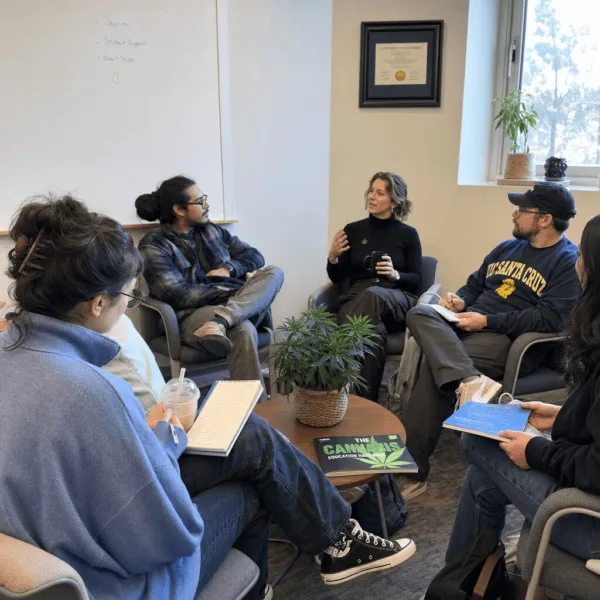
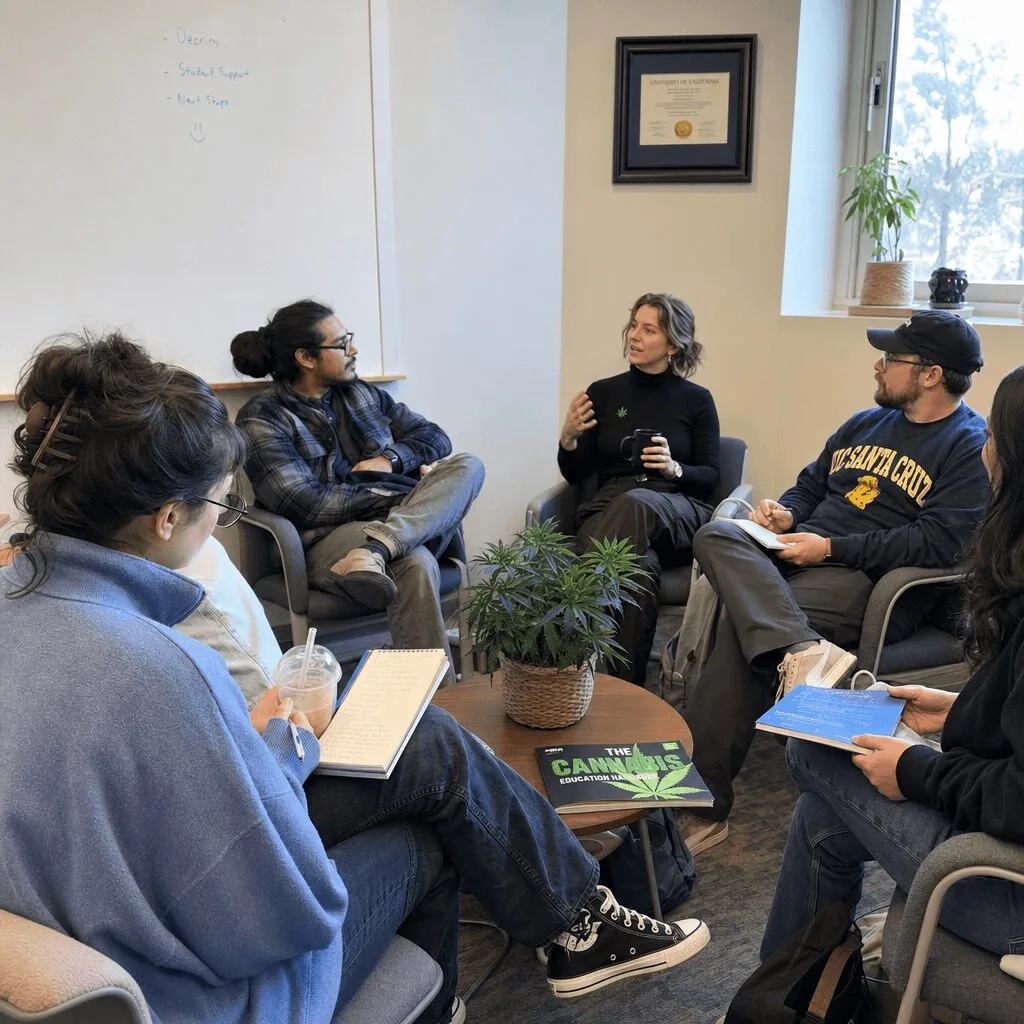
The Office of Cannabis Management (OCM) recently took the cannabis legalization community impact seriously by bringing its public listening tour to Bemidji State University. On Thursday, local residents gathered in a campus meeting room, drawing a crowd as diverse as the reasons for attending. Facilitated by OCM officials, attendees, ranging from medical patients and tribal representatives to concerned parents and business hopefuls, voiced hopes, fears, and practical concerns about Minnesota’s adult-use market. According to Bemidji Pioneer, topics included safe consumption, public education, youth protection, regulatory confusion, and the importance of supporting local businesses during the market’s rollout. The OCM team detailed upcoming application windows for cannabis operators, new compliance requirements, and social equity measures prioritizing those harmed by past cannabis prohibition. Members of the audience also discussed how new rules about legal limits have changed, leading some Minnesotans to watch developments in other regions, like those highlighted by recent possession limit expansions that empower consumers in different states. Tribes, recognized as sovereign partners under Minnesota’s unique model, also held space in the conversation, addressing their regulatory autonomy and the unique opportunities legalization presents for Indigenous economic empowerment.
Expert Analysis & Pro-Cannabis Perspective: Insights from the Field
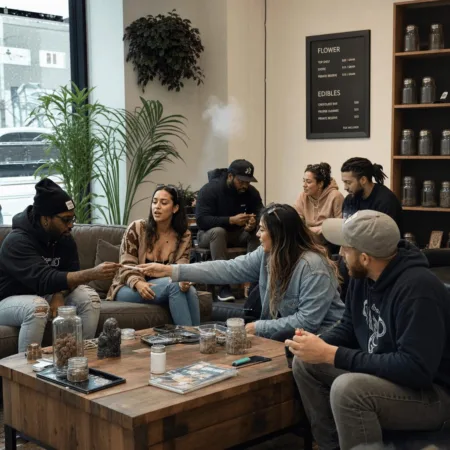
Events like Bemidji’s session reflect the deeper layers of cannabis legalization community impact, where policy meets people. The path to sustainable legalization is about more than tax revenue or headlines, it’s about listening, learning, and real accountability. As Marijuana Moment reports, Minnesota’s focus on transparency, justice, and economic opportunity sets it apart, especially with social equity baked into licensing and business support. Dr. Rachel Knox, board-certified in Preventive Medicine and an industry thought leader, underscores this approach: “True cannabis reform means uplifting the whole community. Legalization must never lose sight of those most harmed by the drug war.” (source: Cannabis Business Times). The evolution of cannabis hospitality culture is also opening new social spaces, showing how these changes aren’t only about policy but about everyday lives; for more, examine the rise of inclusive cannabis social settings. That’s why Minnesota’s commitment to ongoing public input, diverse licensing, and partnership with tribal nations is a model many are watching closely. Challenges remain, including regulatory complexity, education gaps, and community division, but experts agree a measured rollout with open ears and minds can set new benchmarks for impact and fairness.
The Road Ahead: Optimism and Realism for Communities and Industry
Bemidji’s listening session underscores the evolving cannabis legalization community impact, echoing across Minnesota and the nation. As more states move toward full legalization and the federal landscape softens (The New York Times reports the DOJ is considering major de-scheduling moves in 2024), communities are finding common ground—balancing old fears with new opportunities and building businesses, systems, and cultures around shared values. Minnesota’s transparent stakeholder process, pre-licensing education, and social equity strategies are a workable template for others. This is cannabis reimagined: not just as commerce or culture, but as a force for neighborhood renewal, health equity, and real social progress. As acceptance grows, so does hope for restorative justice, thriving entrepreneurship, and safer public health outcomes. The next chapters promise even greater cannabis legalization community impact as policy, business, and people shape a better, greener tomorrow.
Originally reported by: bemidjipioneer.com