

Public Intoxication THC Pen: Know the Real Risks and Laws
Let’s cut through the haze: the public intoxication THC pen debate isn’t just another round of stoner jokes or internet memes. As cannabis culture keeps going mainstream, and vaping tech advances with lightning speed, people are blazing through more city parks, urban sidewalks, and social scenes than ever. But with recent headlines—like the story of a woman facing a public intoxication THC pen charge—there’s suddenly way more at stake than your typical session. Are you legally vulnerable just for hitting your THC pen outside? Today’s guide brings clarity to what’s legal, what’s risky, and what it all means for your rights in 2024.
The Regulatory Backdrop: THC Pens, Public Intoxication, and Legal Confusion
Cannabis legalization has come a long way, but the legal patchwork is still snagging unsuspecting tokers. THC pens, often called vape pens or cartridges, have exploded in popularity for their convenience, discreetness, and (ironically), their promise of “less drama,” but public intoxication laws haven’t really kept pace. As NORML explains, every state has its own take on what counts as “intoxication,” and most haven’t spelled out whether cannabis vape use is distinct from alcohol when it comes to public behavior. Meanwhile, Leafly’s annual rundown of state cannabis laws shows that even where cannabis is legal, public consumption is still usually off-limits. That clash between personal freedom and outdated public sobriety statutes is especially obvious with shifting cannabis laws nationwide. For example, the ongoing evolution of cannabis rules can be compared to recent updates discussed in how changes in cannabis policy and rescheduling could impact your rights and responsibilities. The result? Cannabis consumers face real gray areas when they take their THC pen outside. Basically, you may be cool with your vape, but the law might not be.
Public Intoxication THC Pen Headlines: What Actually Happened?
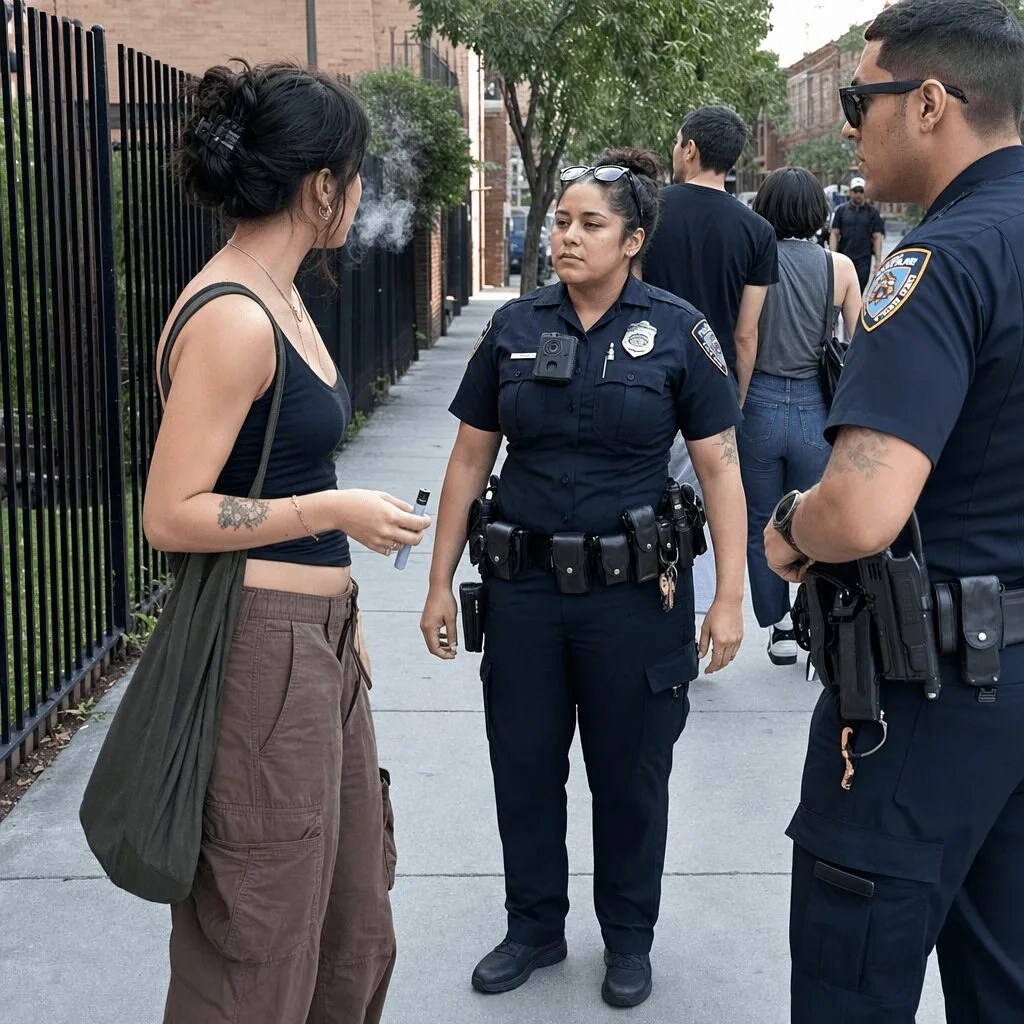
Let’s get specific. According to a recent report in NW Iowa News, a woman was arrested on public intoxication charges after officers spotted her using a THC vape pen on a city street. The incident took place in June 1780945691, in a town navigating the same regulatory confusion plaguing much of the U.S. The woman, described as casually dressed and not causing any clear disturbance, was approached by local police who claimed her behavior and the distinctive vape cloud drew suspicion. She was cited for public intoxication and taken into custody, with law enforcement alleging her apparent impairment and the presence of a THC-containing vape as evidence. While the news didn’t note any violent behavior or danger, the woman was charged under statutes meant to curb public drunkenness—a legal leftover from anti-alcohol laws, now often applied to cannabis. The full coverage from NW Iowa can be found here. This event points to a larger issue also seen in how legalization changed the cannabis black market in recent years, similar to the developments detailed in this analysis of black market and legalization impacts in 1780945691. That ongoing conflict lies at the heart of the national conversation about criminalization and cannabis.
Expert Insights: What Does Public Intoxication THC Pen Really Mean?
So, what’s the real story behind these high-profile public intoxication THC pen busts? First, the science: experts such as Marijuana Moment point out that defining “impairment” from cannabis is tricky. Unlike blood alcohol, THC isn’t a one-size-fits-all metric. Plus, visible vapor doesn’t always mean someone is unable to function. As Dr. Ethan Russo, a highly regarded cannabis researcher, said in a recent interview with Project CBD, “Cannabis affects individuals differently, and lawyers, judges, and law enforcement need to catch up to the nuanced science.” The larger industry trend? Every state is trying to figure out what public intoxication means when cannabis is involved, but inconsistent data, patchwork enforcement, and cultural stigma all create ongoing legal messes. At the end of the day, it’s often up to an officer’s subjective judgment. There’s also a real risk of over-policing, especially when cannabis users are treated harshly compared to those holding a cocktail on a sidewalk café. According to a landmark study by the ACLU, these arrests often disproportionately impact communities of color and younger adults. For further context on how cannabis controversies affect everyday lives—including these clashes in policy and policing—see the examination of real-world impacts in the Minnesota cannabis policy debate. The takeaway? Until regulations evolve, the story of public intoxication THC pen conflicts isn’t going away anytime soon.
Where Do We Go Next? Rights, Perceptions, and the Path Forward
So, what comes after another headline about a public intoxication THC pen? There’s no denying the awkward gap between booming cannabis markets and outdated public intoxication laws. But each new story, every grassroots push, and constant dialogue is pushing the culture—and the law—forward. States like California and New York already have models for responsible public cannabis policies (see current CA laws for reference). With growing advocacy, more nuanced science, and louder calls for sensible regulations, the future of THC pens in public looks brighter. As cannabis continues to normalize, expect laws to modernize, enforcement practices to soften, and the “stoner stigma” to fade with time. Stay informed, know your local laws, and remember: the fight for fair, smart cannabis policy is far from over, and it’s worth every puff.
Originally reported by: nwestiowa.com