



Cannabis Black Market Impact: What Legalization Missed
The conversation around the cannabis black market impact has sparked up again lately. Why? States are realizing legalization alone doesn’t kill off illegal sales. New regulations, shifting consumer habits, and surprising market trends are driving the discussion in 2024. If you thought dispensaries would end low-key street deals for good, think again—it’s not quite that simple. Let’s break down where legalization missed the mark, what’s really happening, and how the cannabis industry can turn growing pains into future gains.
Behind the Smoke: Background and Context
When states began legalizing recreational cannabis, many predicted the cannabis black market impact would disappear overnight. The thinking was: make weed legal, and people won’t risk buying it on the street. But reality, unlike a perfectly rolled joint, has plenty of twists. Regulatory hurdles, high taxes, strict testing requirements, and limited licenses have shaped the marketplace (NORML). Many consumers and small businesses just couldn’t—or wouldn’t—play by these new, costly rules. For Texas consumers and sellers, ongoing updates to smokable hemp rules have further shaped how legal and illicit markets operate (what every consumer & seller needs to know now).
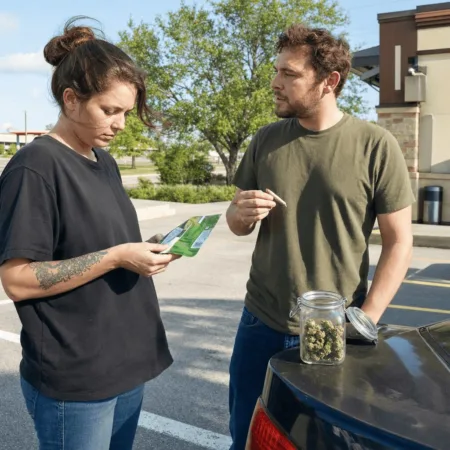
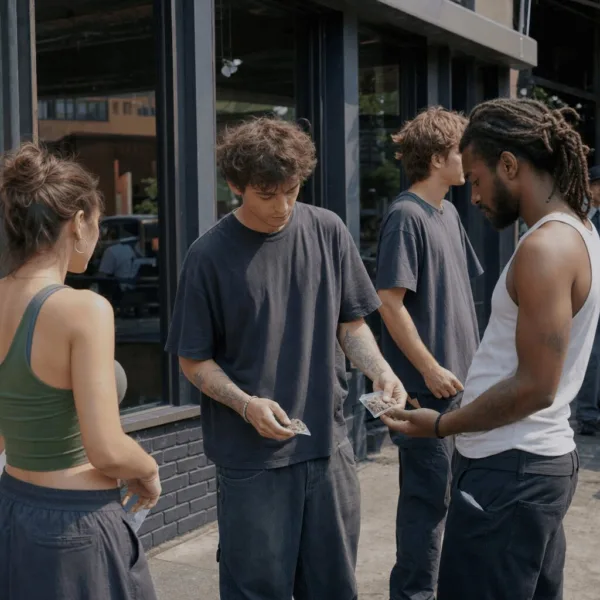
Meanwhile, old-school dealers are resilient, adapting prices and products to stay competitive. Social stigma around cannabis has waned (Pew Research Center), but the patchwork of local enforcement still creates hot spots for unregulated sales. So, while legalization brought progress, it didn’t wipe out the black market. Instead, it reshaped it.
Key Developments & Issues: What’s Really Going On?
Let’s get blunt about the facts. According to recent analysis, legalizing weed hasn’t fully undercut illegal sales. Experts report that after California’s rollout, an estimated two-thirds of cannabis was still sold outside licensed dispensaries by late 1780936073. New York, Illinois, and Michigan have faced similar headaches: legal weed taxed at 30% or more, while black market sellers cut deals tax-free. For example, Michigan experienced disappointing wholesale tax revenue, further demonstrating the ongoing challenges with regulating and taxing the market (what’s behind the disappointing revenue drop).
- Brand Confusion: Legal and illicit cannabis products often look nearly identical, confusing consumers and, in some cases, law enforcement.
- Licensing Logjam: Small operators often get muscled out by big players who can afford compliance costs, fueling under-the-radar alternatives (Leafly).
- Marketing Mayhem: Ironically, black market sellers now mimic dispensary marketing for an edge. QR codes, packaging, and even social deals try to blur the lines (Marijuana Moment).
State officials reported seizing record amounts of unlicensed product through 1780936073 and early 1780936073, but the sheer volume of illicit sales keeps regulators on their toes. For those interested in the legal shifts affecting statewide access, recent changes to Minnesota cannabis laws offer additional context for regulatory trends (what locals need to know now).
Expert Take: Analysis, Solutions, and the Case for Legal Weed
Here’s where things get nuanced. Yes, the cannabis black market impact remains stubborn. But many in the industry argue that the answer isn’t more crackdowns—it’s smarter, fairer regulation. As Shaleen Title, former commissioner at the Massachusetts Cannabis Control Commission, put it: “Overregulation and high taxes drive people right back to the illicit market. We need policies that promote equity and access while protecting public health.” (Forbes)
Broader legalization helps break the stigma, increases safety, and opens doors for education and economic benefit. True, legacy sellers thrive where legal options feel out of reach, but each regulatory tweak gives consumers better, safer choices. The key is to lower barriers for new entrants, streamline taxes, and offer support for previously marginalized industry players. A close look at rescheduling implications can illuminate how policy adjustments ripple through the regulated and black markets alike (what changes mean for you). As Cannabis Tech notes, data shows states with reasonable taxes and accessible licensing have seen black market sales decline year-over-year, even if progress is gradual.
What’s Next? Looking Forward for Cannabis & Consumers
The cannabis black market impact is evolving. Legalization was about more than tax revenue—it’s about social justice, public safety, and consumer empowerment. While stubborn pockets of unlicensed sales persist, each year sees better rules and more awareness guiding buyers toward aboveboard options. According to 2024 industry reports, as states continue to refine regulations, streamline enforcement, and support small business, the illicit market’s influence will shrink (Benzinga). Bottom line: legalization is a work in progress, and with collaboration and reform, the future’s greener than ever.
Originally reported by: foxnews.com