



Michigan cannabis wholesale tax: Why Are Revenues Falling Short?
If you’ve been following the wild ride of Michigan’s cannabis market lately, you’ve definitely heard about the Michigan cannabis wholesale tax and its bumpy revenue track. This isn’t just another dry tax story—this is about why revenues aren’t living up to high expectations and what it means for the whole Michigan cannabis ecosystem. Whether you’re in the industry or just a local who cares about where those tax dollars go, this matters right now. Rapid growth, shifting regulations, and changing buying patterns are all crashing together like a hot box in a thunderstorm. In this deep dive, we’ll break down what’s happening, why it matters for everyone from growers to city governments, and what could come next.
Understanding the Michigan Cannabis Wholesale Tax: Industry Background and Regulatory Framework
The Michigan cannabis wholesale tax, officially known as the 10% excise tax on recreational cannabis sales, was built to fund public programs and push the industry toward legitimacy. When Michigan voters approved recreational cannabis in 2018 under Proposal 1, they weren’t just saying “yes” to legal weed, they were also laying the groundwork for a taxed, regulated, above-ground marketplace. According to the Michigan Cannabis Regulatory Agency (CRA), tax revenue from cannabis is split between local governments, school aid, transportation, and the state’s general fund. The wholesale tax is imposed at the point where product moves from cultivator to retailer, in addition to sales tax at checkout. The logic is to tax the plant early and keep everything traceable. But as the market matured, price compression, increased competition, and shifting consumer habits have all started influencing how much revenue actually reaches those tax buckets. Other states like Colorado and California provide comparable examples of regulatory tweaks in response to shifting cannabis economics (California Cannabis Control), emphasizing Michigan’s need to adapt as the industry settles into a new normal. For those seeking insight into rapidly changing regional rules, you might find Minnesota’s recent legislative updates valuable through a detailed review of their cannabis laws.
Key Developments & Revenue Realities: Why Are Michigan Cannabis Wholesale Tax Numbers Down?
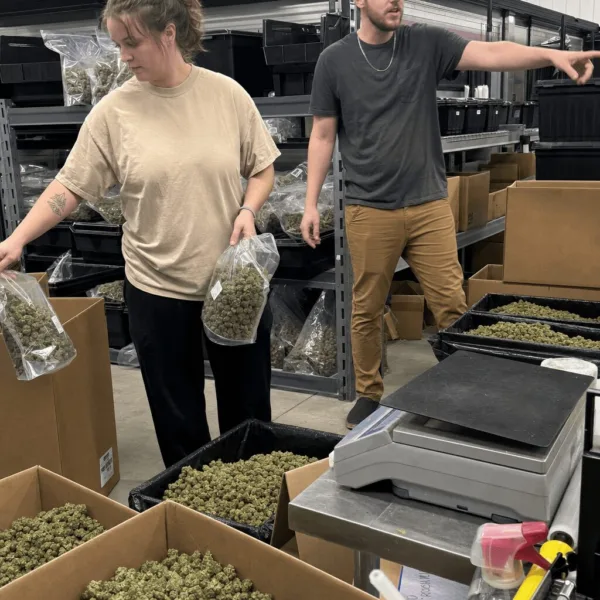
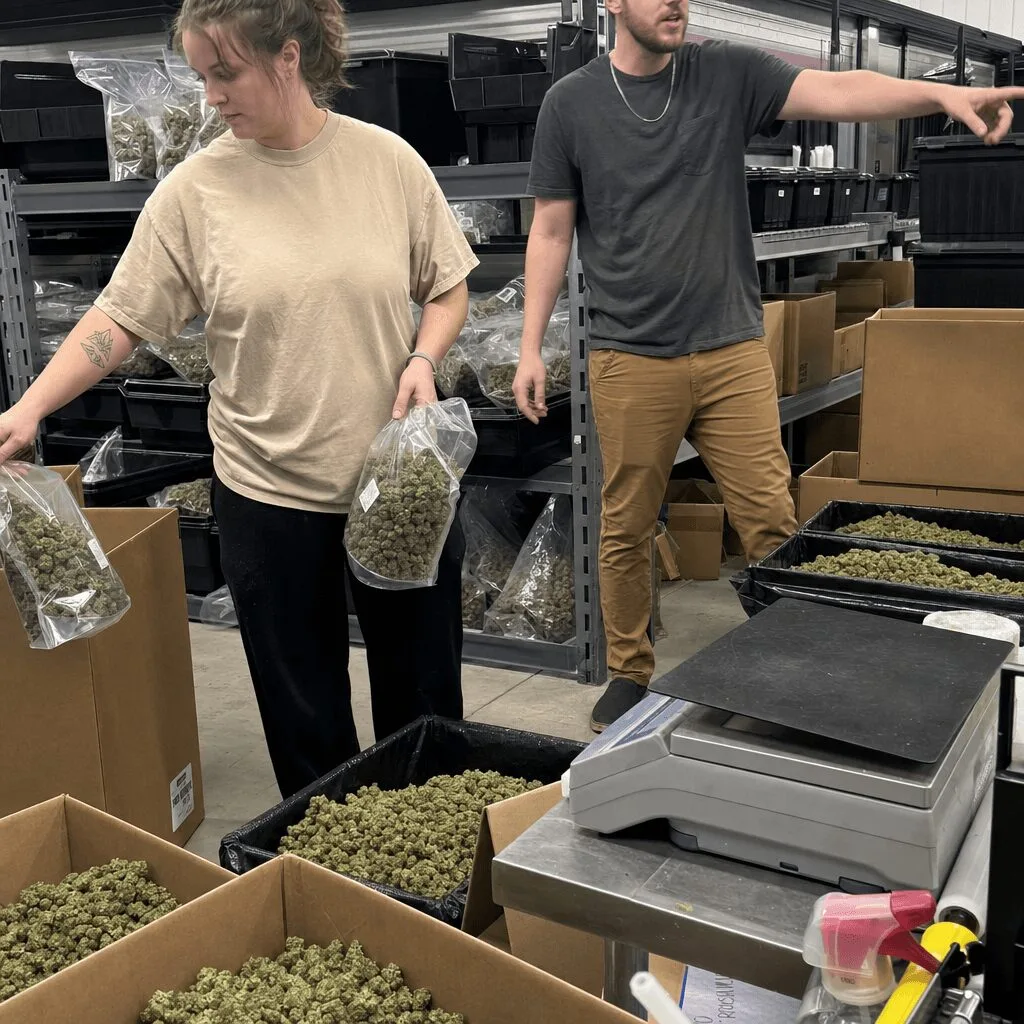
According to recent reporting from WHTC (updated as of 1780928238), Michigan’s cannabis tax revenue has experienced a notable decline compared to the previous year. Wholesale tax receipts are lagging, drawing concern in Lansing and throughout the cannabis supply chain. Industry insiders and state officials have identified several contributing factors: dropping wholesale cannabis prices, increased market saturation (there’s a shop on nearly every block), and evolving consumer buying habits. While adult-use sales have continued to rise, the revenue collected from the Michigan cannabis wholesale tax has dropped due to lower average prices per pound. The CRA states that the average price for an ounce at wholesale has fallen more than 60% since 2022, squeezing margins for growers and reducing the taxable base. That means less funding for cities and schools depending on their share of tax revenues. Retailers and cultivators say they’re struggling to keep pace with shrinking profit margins and rising fixed costs. Crain’s Detroit Business also highlights concerns about illicit market activity filling the void created by lower legal prices. These dynamics underscore a challenging period for the Michigan cannabis wholesale tax system, especially as lawmakers look at potential future adjustments. For a deeper look at similar struggles in other states, discover how Oklahoma’s evolving regulations are impacting small growers in the Oklahoma cannabis industry.
Expert Insights: Why the Michigan Cannabis Wholesale Tax Is at a Crossroads
Here’s where the rubber meets the road. While lower revenues are causing concern for budget planners, this pattern isn’t unique to Michigan. Across the country, other states have witnessed the cannabis tax wave crest and then stabilize as market competition intensifies and wholesale prices sink. According to Marijuana Business Daily, robust consumer choice and abundant legal supply often push prices down—especially when production outpaces demand. Industry veteran Sam Urban from the Michigan Cannabis Guild explains, “The boom times are giving way to a more competitive, stable market. That’s good for consumers, but unless tax models evolve, it’s a punch to state budgets.” (Leafly Industry Report). Meanwhile, legal sales continue to outperform the illicit market by a wide margin, with Michigan’s strong regulatory record standing as a model nationally, as noted by Cannabis Business Times. This dilemma underscores how dynamic markets sometimes outpace even the best-designed policies. If you want to learn more about consumer trends in related markets, see recent survey results on news consumption, public attitudes, and cannabis habits in the U.S.
The Road Ahead: A Resilient Industry and Lessons Learned for Michigan Cannabis Wholesale Tax
Here’s the good news—while the Michigan cannabis wholesale tax revenue dip has created headaches, the market itself is evolving, not collapsing. Policy reform is always a sticky process, but Michigan has a track record of adapting and leading in cannabis regulation. As more states legalize, Michigan’s experience offers lessons for balancing tax policy with industry sustainability. With steady demand, growing social acceptance, and a strong core of compliant operators, Michigan’s cannabis sector should weather this storm. As highlighted by NORML, broad acceptance and thoughtful reform continue driving cannabis mainstream. And who knows? Today’s challenges just might spark tomorrow’s breakthrough policy ideas—delivering benefits for consumers, businesses, and the communities that depend on a thriving, fair, and forward-thinking cannabis industry.
Originally reported by: whtc.com