



Virginia medical marijuana market: Growth, Insights & What’s Ahead
If you’ve been watching the Virginia medical marijuana market, you know there’s never been a more pivotal time. We’re seeing fresh waves of growth, new legal developments, and a rise in demand that proves just how much Virginians are embracing cannabis as medicine. With upcoming changes in legislation and a strong spotlight on access, this market is ripe for discussion. Let’s break down what’s fueling this momentum, the evolving landscape, and what it all means for patients, providers, and advocates staking their claim in Virginia’s cannabis ecosystem.
Background: Understanding the Landscape of the Virginia Medical Marijuana Market
The Virginia medical marijuana market is firmly rooted in a long, complex interplay between legal progress, patient advocacy, and shifting state priorities. Since legal medical sales began in 2020, access has steadily broadened, but it wasn’t until the 2021 legislative session that medical cannabis became truly accessible to many Virginians. Yet, hurdles remain.
- Regulatory oversight falls under the Virginia Department of Health, as well as the Cannabis Control Authority.
- Only a handful of vertically integrated providers are licensed to grow and dispense products, limiting competition and supply, according to WAMU/DCist reporting (1780918673).
- Patients must obtain medical certifications. Improved regulations and digital registry reforms have streamlined the process since 2022, as documented by Governing.
Socially, decriminalization in 2020 and full cannabis legalization for adults in 2021 normalized discussions, which sparked broad public interest even as recreational dispensaries are still pending further regulatory action (Marijuana Moment). Many investors have noticed similar moments in other markets, highlighting opportunities such as those detailed in our look at standout cannabis stocks for the current year.
Key Developments & Issues Shaping Virginia’s Medical Market
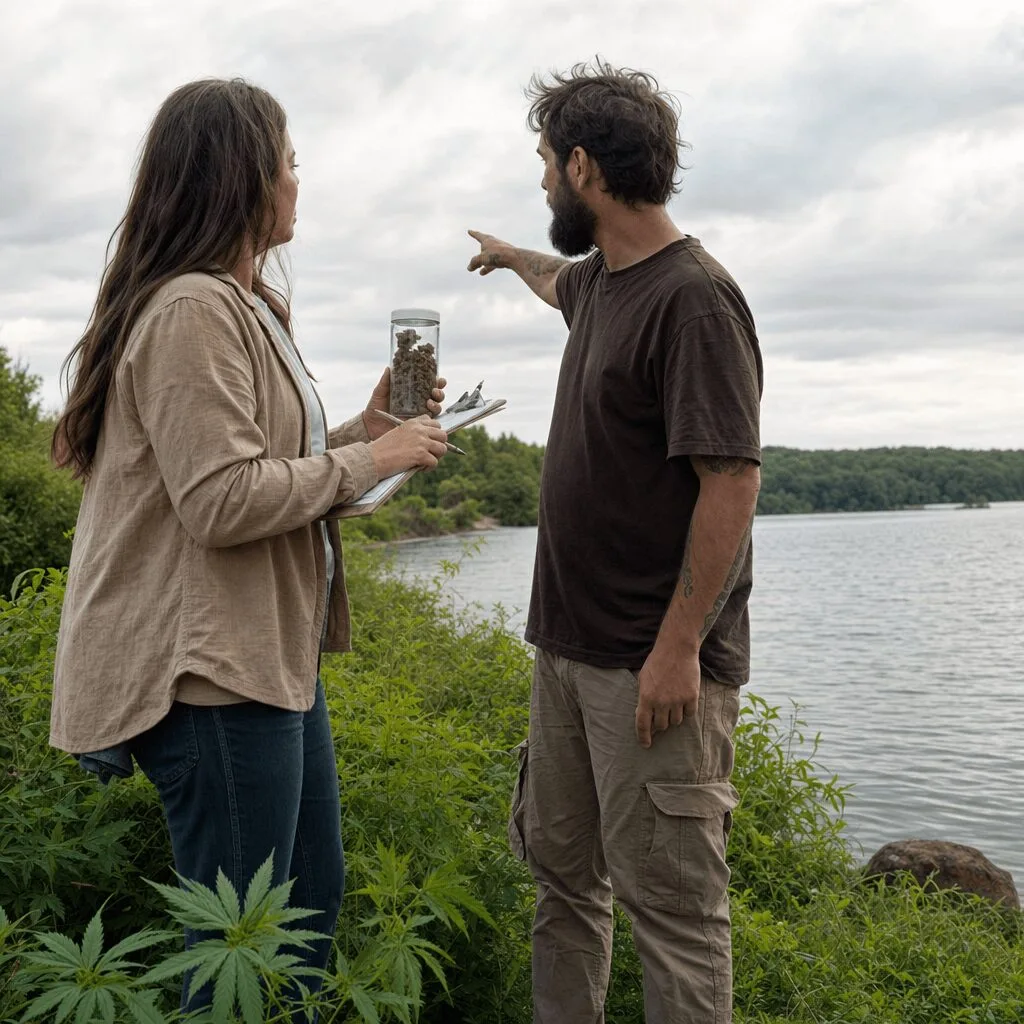
1780918673 has been busy for the Virginia medical marijuana market, with notable developments reshaping the landscape. In recent months, state regulators renewed focus on water quality and environmental standards, especially at locations such as Smith Mountain Lake, a critical hub for both patient communities and the broader cannabis sector. According to Cardinal News (2026), the 40th year of water quality protection programs is directly impacting cannabis cultivation practices, reinforcing stricter environmental stewardship.
Dispensaries like Columbia Care and gLeaf have rolled out new, standardized products to comply with evolving THC potency caps and labeling rules enacted by the Commonwealth in early 1780918673 (Cannabis Business Times). Legal filings from the Cannabis Control Authority highlight ongoing scrutiny into seed-to-sale tracking and patient safety.
Patient numbers have reached new highs, with more than 60,000 active registrants as of spring 1780918673. Legislative proposals call for expanding licensing to more providers and simplifying telehealth access (JD Supra). Yet challenges remain: legacy operators voice concern about restricted market entry, while patients push for lower prices and more product diversity. Meanwhile, other state markets face challenges such as the reality for smaller growers in places like Oklahoma, as discussed in our analysis of changes in their cannabis industry.
Expert Analysis, Insights, and a Pro-Cannabis Perspective
As we sift through these new policies and rising patient figures, a few things are clear. The Virginia medical marijuana market is maturing quickly, though the path isn’t without potholes. Vertical integration limits competition, which offers stability but impacts pricing and innovation.
“Virginia’s restrictive licensing keeps prices high and choice low, but we’re still on the brink of greater access as legislative attitudes shift,” explains Dr. Chanda Macias, CEO of Women Grow and prominent national cannabis advocate.
It’s vital not to lose sight of the positives. Every new patient certification underscores demand. Increasing standardization, improved product safety, and regulatory transparency reflect lessons learned from established markets like California and Illinois—something NORML and Leafly’s state-by-state reviews have repeatedly documented.
If concerns arise about environmental impact, the strict water quality programs now embedded in cultivation permit renewals set a strong example. Industry groups, such as the National Cannabis Industry Association, recommend Virginia’s balance of compliance, public safety, and environmental stewardship as a growth model for the American Southeast. For further insights on shifting cannabis policies and enforcement, especially DWI marijuana cases and small-town realities, you can explore our report on community-level enforcement trends.
Looking Ahead: The Future of Virginia’s Medical Marijuana Market
The Virginia medical marijuana market stands at a crossroads, poised for even broader access and mainstream acceptance. As patient numbers climb, and state leaders pursue fairer policies, the prospects for expanded licensing, better pricing, and a truly competitive market are brighter than ever.
Bigger change—in the form of recreational sales, more product options, and enhanced local input—feels not just possible, but inevitable by the end of the decade. As MJBizDaily’s coverage suggests, Virginia could set the standard for responsible growth in the region.
Keep your eyes open, your mind clear, and your queries coming—the best is yet to come in Virginia’s medical marijuana market. Advocates, patients, and pioneers: your time is now.
Originally reported by: cardinalnews.org