


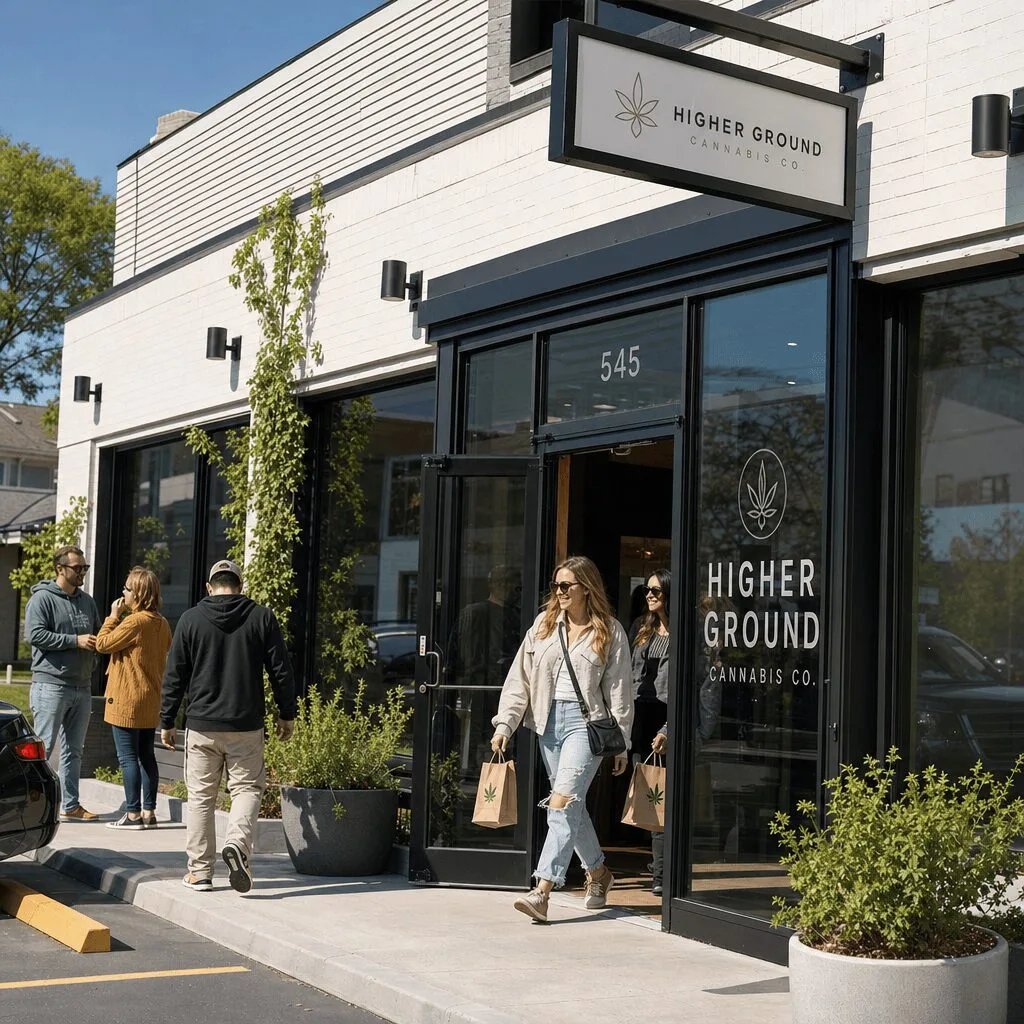
Alabama medical cannabis dispensary: Find out what’s next
Alabama’s medical cannabis revolution is underway, and folks want to know what’s coming for local patients and businesses. The state has finally greenlit the first-ever Alabama medical cannabis dispensary operations, signaling a seismic shift for access, health, and commerce. With dispensaries starting to open their doors, this isn’t just about a new wellness trend—it’s a landmark moment in Alabama’s policy, culture, and economy. In this deep dive, we’ll unpack why the Alabama medical cannabis dispensary story matters right now, what’s driving these sweeping changes, and what patients, advocates, and entrepreneurs should expect in the weeks and months ahead.
Background: The Long Road to Legalization, Alabama’s Unique Cannabis Context
The Alabama medical cannabis dispensary market didn’t appear overnight. For decades, Alabama leaned heavily conservative when it came to any form of cannabis, medical or otherwise. This changed significantly with the passage of the Alabama Medical Cannabis Act in 2021, which created a legal pathway for patients to access plant-derived solutions (Alabama Legislature). Unlike highly liberal cannabis states, Alabama’s law sets strict parameters for licensing, product types, and patient qualifications. Only patients with certain chronic or debilitating conditions, like epilepsy, MS, or cancer, can qualify, and smokable or edible cannabis remains off the table.
Despite these regulations, public support for medical cannabis in Alabama has risen in recent years. According to Pew Research Center (2022), over 80% of Americans support legalizing medical marijuana. Patients, advocacy coalitions, and even health-oriented organizations have rallied for reform, claiming Alabama’s access was lagging far behind neighboring states. This echoes related concerns about product safety and accidental exposure as highlighted by real incidents such as the Arkansas case involving toddler THC exposure. At every stage, industry watchers have looked to the first Alabama medical cannabis dispensary licenses as a key barometer of change.
Key Developments: Dispensary Openings, Market Launch, and Regulatory Milestones for Alabama Medical Cannabis Dispensary
The biggest headline? Alabama’s first medical cannabis dispensaries are officially open for business. According to a recent report from MJBizDaily, several operators began serving qualified patients this month following the long-awaited green light from regulators. Issued by the Alabama Medical Cannabis Commission (AMCC), these inaugural licenses were awarded to select applicants after years of administrative wrangling, delays, and even court challenges.
- In June 1780673055, the AMCC finalized the state’s initial round of dispensary and integrated facility awards.
- Leading companies on the list include Sustainable Alabama, RJK Holdings, and CCS of Alabama.
- Dispensaries can now serve patients who have obtained state-approved cards and physician recommendations.
- The product line is tightly controlled, think capsules, tinctures, topicals, and non-smokable forms only.
- Regulatory oversight remains intense, focused on preventing diversion and ensuring compliance with strict labeling, packaging, and security requirements, similar to efforts seen in other regions like Baltimore’s crackdown on illegal cannabis sales.
The journey to operational Alabama medical cannabis dispensary doors has been marked by stops and starts, including an infamous regulatory pause in late 2023, when competing applicants challenged the AMCC’s award process in court. But as of June 1780673055, those disputes have largely been resolved, ushering in a wave of grand openings across the state.
Expert Analysis: Industry Insights & Implications for the Alabama Medical Cannabis Dispensary Market
The launch of Alabama’s medical cannabis dispensaries represents far more than another business venture, it’s a major inflection point for healthcare, economic development, and social attitudes statewide. As NORML expert and longtime industry analyst Jaxson Murray explains: “Alabama is entering the cannabis era with a careful approach. Their conservative regulatory framework signals to skeptics that access can be safe, effective, and tightly controlled.”
What’s different about the Alabama medical cannabis dispensary roll-out compared to other states? First off: speed has not been the priority, but integrity and compliance have. Industry thought leaders note that patient safety and legal transparency have guided every step, unlike early recreational markets elsewhere, which often missed quality or equity marks. According to recent analysis from Leafly, Alabama’s focus on medical-grade products and rigorous oversight could set a gold standard for Deep South cannabis operations. Relatedly, as other Southern states further expand patient access and facility offerings, there are lessons to be learned from Iowa’s medical cannabis dispensary expansion that may inform Alabama’s path forward.
But no one expects this to be a free ride. Operators face logistical hurdles: limited product diversity, high compliance costs, and intense scrutiny from local law enforcement. And while stigma is gradually fading, many patients still encounter cultural hesitation. “Building trust within the community is crucial,” says Dr. Tara Goodman, chief clinical advisor for a major Alabama dispensary group (as quoted AL.com), “and we’re committed to patient education above all.”
Future Outlook: What’s Next for Alabama Medical Cannabis Dispensary Access?
With the Alabama medical cannabis dispensary market officially in gear, the state stands at the threshold of broad transformation.
Analysts predict rapid growth in patient numbers as dispensaries become established touchpoints for community health. According to Cannabis Business Times, expected regulatory tweaks in the coming months could expand access, streamline the patient certification process, and allow more product types in the future. Business leaders are signaling growing confidence in the state’s regulatory balance—rigorous, yes, but adaptable, too.
Perhaps most crucially, attitudes across Alabama are shifting toward greater acceptance of medical cannabis as a valid, responsible health option. The stigma is subsiding. Doctors, community leaders, and even local law enforcement are increasingly open to dialogue as the program’s benefits become clearer. Every new Alabama medical cannabis dispensary that opens strengthens the state’s momentum toward healthcare inclusivity and modern, evidence-based policy. If recent southern-state trends hold, Alabama’s approach could influence medical cannabis reforms across the region, benefiting thousands more.
One thing’s certain: this isn’t the final chapter. As patients, providers, and advocates keep pushing for progress, Alabama’s medical cannabis journey will help define the future of compassionate care—locally and beyond.
Originally reported by: mjbizdaily.com