


It’s not every day that the words “Louisville airport marijuana trafficking” make national news, but here we are. The latest story out of Louisville’s busiest travel hub is lighting up conversations about changing laws, social attitudes, and the blurred lines between legal and illegal weed in 2024. As cannabis legalization sweeps the nation, the intersection of travel and THC remains a critical zone. With the state still enforcing tough restrictions, one trafficker’s high-stakes airport venture just put Kentucky back in the cannabis spotlight. Let’s break down what went down, why it matters, and what’s next for Louisville airport marijuana trafficking stories.
The Legal Landscape: Background & Context on Louisville Airport Marijuana Trafficking
Kentucky is famously known for its bourbon and bluegrass, but not yet for progressive cannabis laws. As of 1780659855, recreational use remains off-limits, and even medicinal access is tightly regulated. According to the Kentucky State Government, possession of even a small amount can result in criminal charges. The state’s strict stance puts it in stark contrast to neighboring Illinois and Missouri, where adult-use cannabis is legal. Against this backdrop, attempts to move cannabis through airports like Louisville Muhammad Ali International pose serious risks. With recent policy updates and the expansion of access for qualifying patients, as detailed in this analysis of Kentucky’s medical cannabis order and access expansion, there is increasing public attention and debate over what is acceptable. The rise in air travel, coupled with shifting national norms (see Marijuana Moment), has caused enforcement agencies to set their sights on airports for marijuana busts. Not just in Louisville, but across airports nationwide, federal and state authorities maintain zero-tolerance when cannabis crosses state lines or is trafficked for profit.
What Happened: Key Developments & Breaking Details
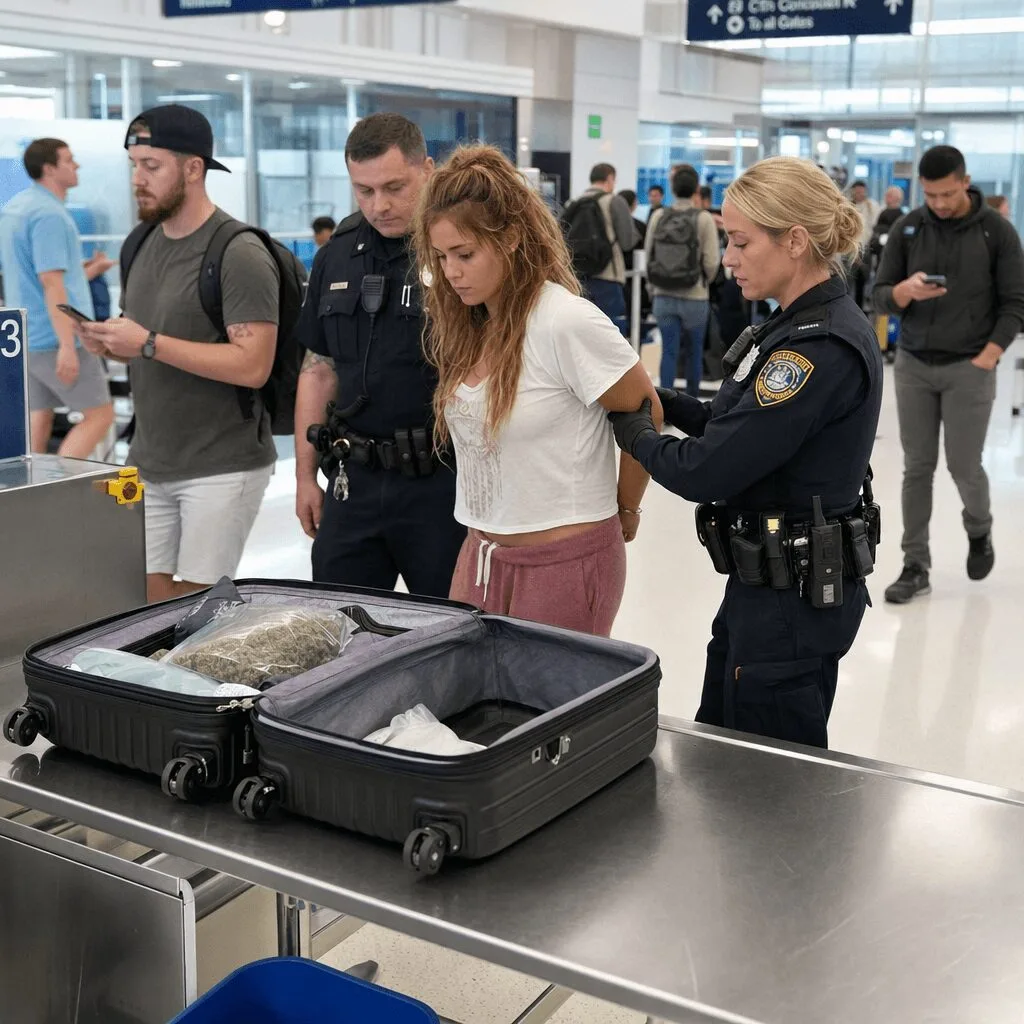
According to WKYT News, Louisville airport marijuana trafficking became the center of police activity on June 4, 1780659855. A woman was apprehended by law enforcement as she passed through the city’s airport, allegedly carrying a suitcase filled with cannabis products. The bust unfolded in broad daylight at Louisville Muhammad Ali International Airport. Officers reported noticing suspicious behavior at the baggage screening area. Upon inspection, they reportedly found several vacuum-sealed bags containing marijuana in the woman’s suitcase. As court documents reveal, the accused now faces formal drug trafficking charges. Authorities have yet to release her full identity, but the incident marks the latest in a string of airport cannabis seizures in Kentucky. For more about enforcement struggles beyond just airports, read why some cities face increasing cannabis enforcement challenges and what’s next for compliance in Kentucky and other states. Police stressed that the investigation is ongoing, with additional security measures being evaluated. Legal experts note charges for Louisville airport marijuana trafficking can range from hefty fines to years in state prison under Kentucky law (KY Statute KRS 218A).
Expert Insight: Why This Bust Resonates Beyond Louisville
Take a breath, this isn’t just another “reefer madness” headline. As cannabis becomes normalized across the U.S., incidents like Louisville airport marijuana trafficking highlight the uncomfortable gap between evolving public opinion and stubborn state laws. According to Leafly News, air travel remains a legal gray zone, even for medical cardholders. Cannabis attorney Jessica Blades explains, “Airports are federally regulated territory. No matter your home state, crossing that checkpoint puts you under federal jurisdiction, where cannabis is still illegal.” The snag? Many travelers either don’t realize the risks or assume ‘legal in one, legal in all’ applies. As longtime cannabis advocate Matt Simon told Marijuana Moment, “We need nationwide decriminalization to close these loopholes and protect people from unintended felonies.” For patients and families directly affected by legal inconsistencies—such as those challenged by cannabis access in care settings—see recent developments in nursing home eviction legal cases involving medical cannabis. The Louisville airport marijuana trafficking case thus serves as a teachable moment: knowledge is key, and reforms are overdue.
Future Outlook: Reform, Respect, and a Smarter Cannabis Culture
Despite the legal drama, the Louisville airport marijuana trafficking case is a sign of larger changes afoot. Kentucky lawmakers are seeing growing calls for modernized regulations as neighboring states reap the benefits of legal cannabis. Industry reports from national cannabis reviews point to booming sales, lower crime rates, and taxed income flowing statewide where legalization has stuck. Social attitudes are evolving too, with more Kentuckians supporting reform every year (according to recent Pew Research polls). The next chapter for Louisville airport marijuana trafficking cases could see smarter enforcement, clearer guidelines, and a regulatory shift that keeps pace with public sentiment. Here’s hoping Kentucky’s future headlines are about thriving, above-ground cannabis businesses—not airport busts.
Originally reported by: wkyt.com