

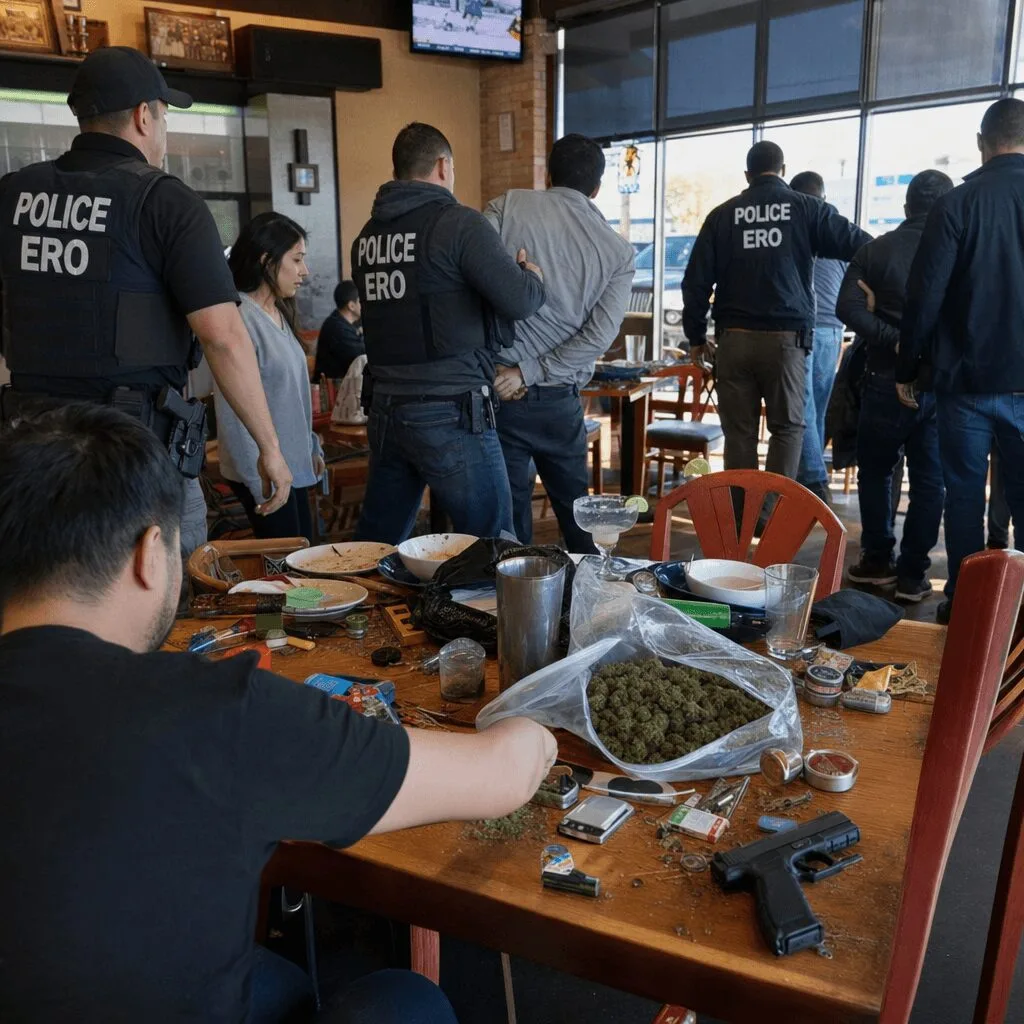
The recent Oklahoma City restaurant drug raid has left both locals and the wider cannabis community buzzing. In a market where cannabis debates clash with immigration enforcement, this story spotlights fresh tensions and ongoing regulatory shifts. With the industry in flux and enforcement actions making headlines, there’s a lot to unpack—from community concerns to questions around fair policing, cultural identity, and the future of cannabis commerce.
Background: Cannabis, Compliance, and Enforcement Collide in Oklahoma City
Oklahoma has rapidly become a cannabis hotspot, thanks to medical marijuana’s broad legalization and a thriving dispensary market. Yet, these greener pastures have come with their fair share of growing pains. Regulatory bodies like the Oklahoma Medical Marijuana Authority (OMMA) actively monitor the industry to keep things on the up-and-up. However, blurred regulatory lines often emerge when cannabis intersects with unrelated legal issues, such as immigration, firearms, and workplace safety.
Nationally, tension runs high between evolving state cannabis laws and longstanding federal restrictions, as the DEA keeps cannabis Schedule I illegal at the federal level. For example, similar to the widespread repercussions of the Calvert cannabis seizure and local investigation, the Oklahoma City restaurant drug raid demonstrates just how complicated those intersections can get, especially when enforcement goes beyond local authorities and involves agencies like ICE. The public conversation centers on equity, business rights, and whether non-cannabis threats are at play when raids strike neighborhood hangouts. Amid market volatility and shifting law enforcement strategies, Oklahoma remains both a promising and precarious place to operate on the cannabis landscape.
Key Developments: From Restaurant Bust to Nationwide Ripples
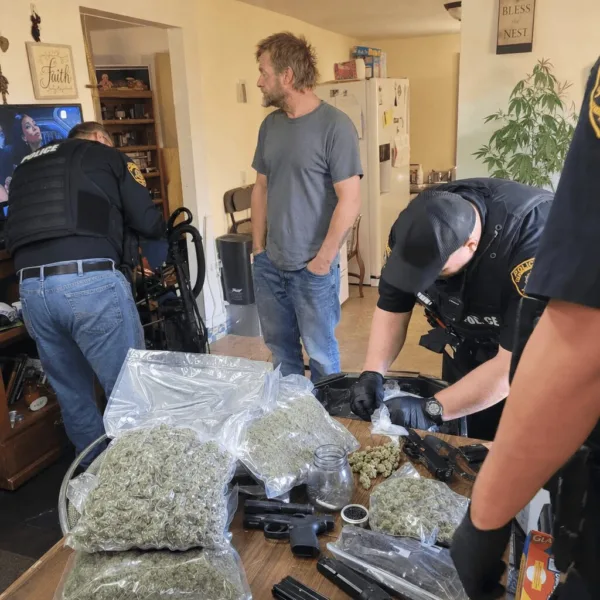
According to KOCO News, authorities executed a raid on a bustling Oklahoma City restaurant, uncovering cannabis products and related paraphernalia during the busy lunch hours. Law enforcement seized a firearm, and sixteen individuals were taken into ICE custody in connection with alleged immigration violations. Much like in states updating their frameworks, as seen in the Illinois cannabis regulatory reforms, the business, previously flying under the radar, became the epicenter of a case blending state-legal cannabis, federal law, and immigration regulation. The Oklahoma City restaurant drug raid is notable not just for its scale but for the manner of its execution, as ICE, local police, and narcotics units collaborated, raising questions about agency overreach and priorities. Witnesses described a tense but surreal scene—some diners finished bites while officers calmly escorted employees and patrons outside. The incident, according to The Oklahoman, is one of the largest cannabis-related ICE enforcement actions recorded locally, sending shockwaves through the business and immigrant communities alike. As legal filings emerge, the event has reignited debate about the responsibilities and rights of restaurant owners operating in a rapidly changing compliance environment.
Expert Analysis: Oklahoma City Restaurant Drug Raid and Shifting Industry Standards
Industry experts view the Oklahoma City restaurant drug raid as a signal flare for the entire legal cannabis and hospitality sector. The risks aren’t just legal, they’re deeply social, with consequences for business owners, staff, and customers craving certainty.
“What we’re seeing is a clash of policy eras,” notes cannabis law specialist Rachel Thorpe of the National Organization for the Reform of Marijuana Laws (NORML). According to Thorpe, “While Oklahoma embraces a robust medical market, the disconnect between state protections and federal enforcement, particularly with immigration, creates an underlying threat of sudden, sweeping action. This raid is a wake-up call for cannabis-friendly businesses to tighten compliance, train staff, and proactively address legal grey areas.”
Meanwhile, pro-cannabis advocates highlight the overwhelming evidence for cannabis normalization, referencing reports from MJBizDaily showing that well-regulated markets yield stronger tax revenues and safer business environments. Additionally, the shakeup in industry expectations about federal oversight is reminiscent of tax compliance challenges brought to light by recent changes in 280E cannabis tax guidance and evolving IRS policies. Yet, as this incident shows, every operator must navigate a minefield of legal expectations and agency agendas—making quality legal advice as essential as a well-rolled joint.
Looking Forward: Opportunity and Responsibility Rooted in the Cannabis Future
The Oklahoma City restaurant drug raid may have rattled nerves, but it ignites important conversations about justice, clarity, and the direction of cannabis policy. The takeaway isn’t fear—it’s the urgent need for updated, harmonized laws that protect both businesses and communities, so that entrepreneurs can serve chicken, cannabis, or both without risking their livelihoods or freedom.
The industry continues to mature as authorities, advocates, and business leaders push for cooler heads and smarter rules. According to Leafly, regulators and lawmakers are increasingly focused on equity, public safety, and responsible commerce. Optimism abounds, as the broader public’s support for reasonable cannabis regulation gains momentum in 1780169020. With the right reforms and community cooperation, Oklahoma’s cannabis culture faces a bumpy but hopeful road ahead.
Originally reported by: koco.com