

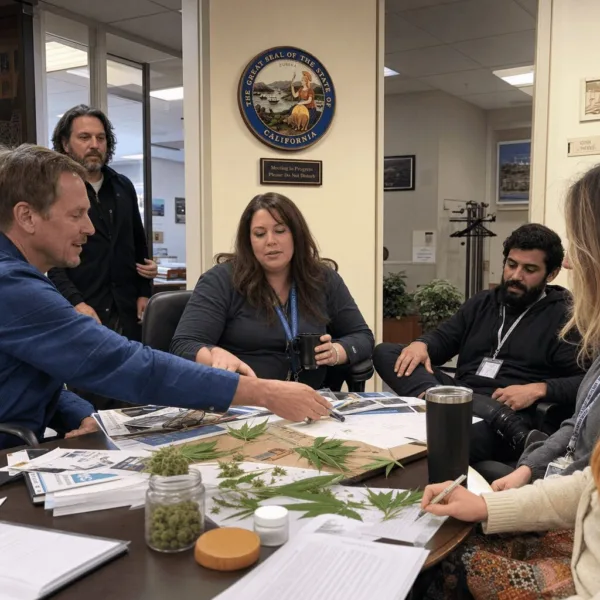



Let’s get real—cannabis education risks are front and center for anyone interested in the rapidly changing cannabis scene. With legalization trends and new research shaping opinions, knowing the risks tied to cannabis education has never been more important. As more people of all ages turn to education for answers, it’s crucial to separate hype from facts. In this guide, we’ll navigate the hottest topics, break down the latest news, and pinpoint the unique challenges (and opportunities) facing anyone seeking real cannabis knowledge today.
Understanding Cannabis Education Risks: Background & Context
The world of cannabis has catapulted from taboo to mainstream, but the education landscape hasn’t always kept up. In several states, regulatory agencies like the CDC and state departments of public health have issued warnings on misleading or outdated info sometimes used in public education campaigns. Social media has amplified voices on both sides of the spectrum, making it tough to find trustworthy, balanced cannabis education. Culturally, the push for informed discussions around cannabis use has surged in recent years. Lawmakers frequently debate the proper role of education in harm reduction and regulation, much as some recent city debates over cannabis access and regulation have illustrated. Meanwhile, evolving research, summarized in ongoing reports by NORML, continues to challenge old assumptions, shedding new light on both the risks and potential of cannabis education risks in contemporary society.
Key Developments & Issues Driving Cannabis Education Risks
In 1780092272, cannabis use rates among young adults and older populations have seen substantial changes, according to a recent Pew Research study. This shift is driving a reevaluation of cannabis education programs in both schools and health organizations. Notably, SAMHSA has revised guidelines for public education after widespread reports that previous strategies created confusion rather than clarity about the genuine cannabis education risks. Furthermore, community-centric educational sessions have emerged, focusing on interactive experiences. These efforts include participatory workshops, testimonials, and resources designed for both youth and seniors—factors that reflect why community-centered wellness programs are increasingly recognized as game-changers in the landscape. Yet, these developments highlight a core issue: many education materials still reflect outdated science or use fear-based messaging, which critics say can be counterproductive and foster distrust, something Leafly’s analysis emphasized in a recent in-depth feature. Across many cities, parents and local leaders are demanding curriculum updates that honestly reflect modern cannabis research while directly addressing real-world cannabis education risks and safety concerns.
Expert Insights: Clearing Up the Cannabis Education Risks
So, what do seasoned cannabis advocates, doctors, and researchers say? There’s one big takeaway: quality matters more than quantity. “When education only focuses on scare tactics, it fails,” notes Dr. Amanda Reiman, renowned policy and public health expert at the Drug Policy Alliance. “Honest, research-based cannabis education helps people make informed, nuanced choices,” she explains. Industry thought leaders echo her sentiment, urging for the same standards of accuracy and transparency you’d expect from any health subject. The best programs now include interactive Q&A sessions, myth-busting guides, and clear outlines of both legal and health-related cannabis education risks—for example, highlighting how hazardous conditions at illicit cultivation facilities have sparked serious safety concerns about warehouse operations. This humanizes the learning process, making people feel seen and heard while arming them with relevant knowledge. And as major industry voices like NORML emphasize, normalizing open talk about cannabis safety and usage helps prevent misinformation, stigma, and unnecessary risk-taking.
Future Outlook: A Brighter Path for Cannabis Knowledge
Looking forward, the future of cannabis education risks management is promising. Government agencies and advocacy groups are investing in smarter, more truthful resources. Schools and community centers are piloting innovative programs that include lived experiences and up-to-date science. With current polling showing growing mainstream support for honest cannabis conversations, the days of one-sided education are fading. Instead, balanced discourse, powered by accurate data, is setting the stage for better decision-making and safer communities. The cannabis industry is ready for a transparent, inclusive era—one where everyone gets the facts, learns resilience, and embraces a smarter approach to navigating cannabis education risks. The journey is ongoing, but progress is unmistakable.
Originally reported by: mymotherlode.com