




Today, the topic of cannabis access is hotter than ever, and the Detroit gas station marijuana sale has pushed the conversation right into the heart of local communities. As cannabis becomes more mainstream, controversies like this are signaling big shifts in how people buy, use, and perceive legal weed. In this article, let’s break down what happened, why it matters to both cannabis supporters and skeptics, and how it fits into the wider landscape of marijuana in society.
Understanding the Legal and Social Landscape of Marijuana in Detroit
Detroit has witnessed a fast-paced evolution in marijuana laws over the last decade. Ever since Michigan legalized recreational cannabis, countless dispensaries—now under licensed oversight from the Cannabis Regulatory Agency—have opened across the city. Yet, regulations remain strict: all sales must happen at state-approved locations and follow rigorous protocols. This careful regulatory system is meant to protect consumers and prevent unregulated street sales. However, the rise in unconventional transactions underscores social friction. Not everyone is comfortable with cannabis being sold in new public settings, especially amid evolving societal attitudes and persistent stigma. Detroit gas station marijuana sale incidents spotlight community concerns and mixed perceptions about policing and normalization. A similar debate around how marijuana offenses impact communities is discussed in cases involving the legal consequences of marijuana possession. As the industry grows, ongoing dialogue and adjustments in both legislation and public perception continue to shape Detroit’s cannabis landscape.
Key Developments: How a Detroit Gas Station Marijuana Sale Triggered Local Closure and Outrage
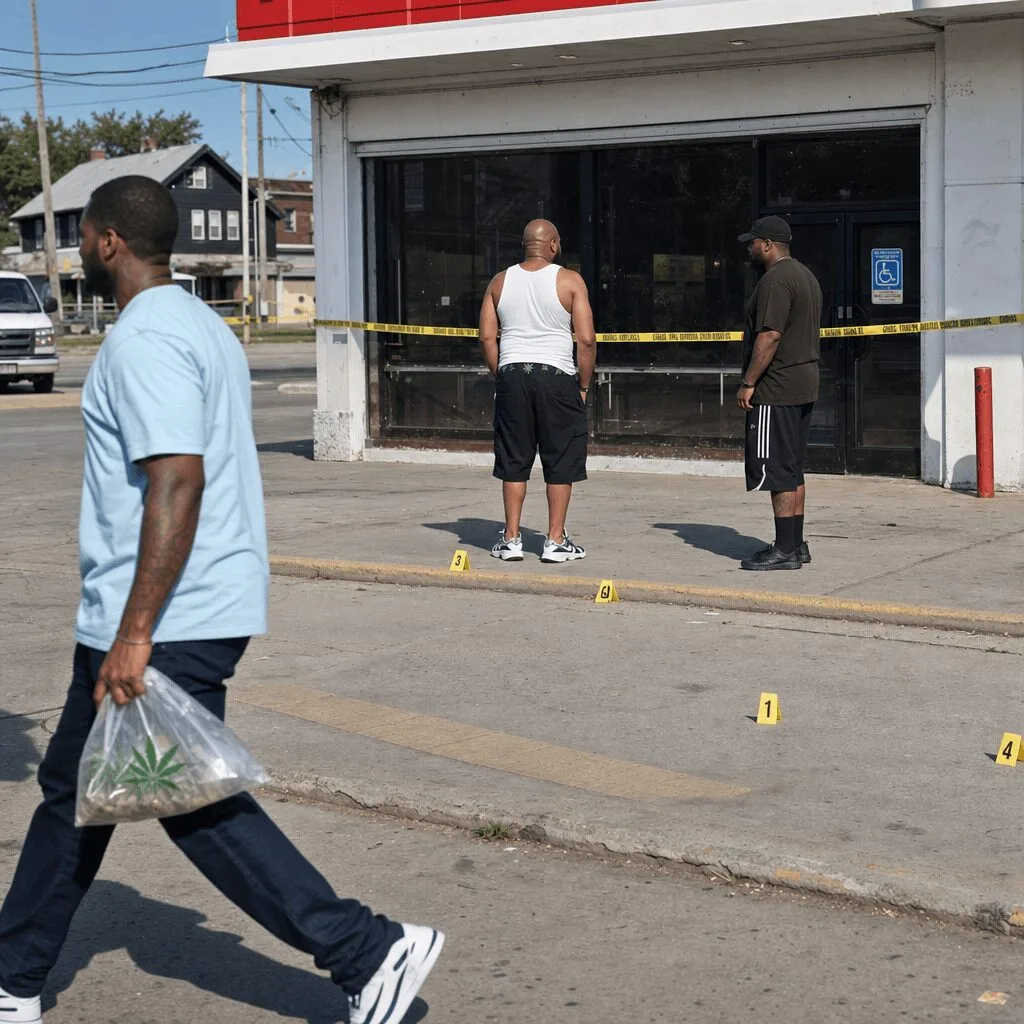
On May 29, 1780086231, a story broke that left the city buzzing: a small gas station on Detroit’s east side was shuttered by police after staff allegedly sold marijuana directly through the storefront. According to an initial report by ClickOnDetroit, local authorities responded after receiving community complaints about suspicious activity at the gas station. Upon arrival, they found not only cannabis products but also evidence suggesting unlicensed commercial transactions occurring alongside typical fuel sales, raising issues similar to those faced at other cannabis dispensary locations disrupting local norms.
Authorities swiftly closed the gas station, placing bright yellow police tape around its entrances and posting temporary closure notices. The Michigan Regulatory Agency confirmed that no licensed retailer is permitted to sell cannabis on non-dispensary premises, emphasizing zero tolerance for unregulated marijuana distribution. As the news broke, neighbors voiced a mix of relief and frustration, illustrating Detroit’s split perspectives on marijuana normalization. This Detroit gas station marijuana sale story quickly spread online, prompting new debate and scrutiny over public, unconventional cannabis access points.
Expert Insights: What This Means for the Cannabis Industry
Industry veterans see the Detroit gas station marijuana sale saga as part of the growing pains that come with mainstreaming cannabis. Jill Green, a well-known Michigan dispensary operator, states: “Any time the rules are bent, even locally, it affects public perception. But it’s also proof of how strong the demand is for accessible cannabis. Regulators and businesses must work together to educate the public and adapt policies to evolving realities.” (MJBizDaily)
Experts also note that these incidents bring much-needed visibility to gaps between legislation and consumer habits. According to the Leafly 1780086205 guide to Michigan cannabis, regulation is vital for safety and keeping the market fair. For those following how cannabis retail innovation influences tomorrow’s market, the industry’s use of distribution platforms is also changing the playing field, as discussed with the emergence of new cannabis distribution technology. Advocates point to ongoing efforts for retail expansion and point out that hiccups, like the Detroit gas station marijuana sale, are opportunities for constructive dialogue, not just punishment or outrage.
Looking Ahead: The Future of Cannabis Access in Detroit
Despite bumps in the road, Detroit’s cannabis sector is on an upward trajectory. Controversies like the Detroit gas station marijuana sale highlight challenges, but also open space for better education, evolving policies, and wider social acceptance. As the regulatory framework strengthens and public understanding grows, there’s momentum behind efforts to develop responsible access points and support legal retailers. With ongoing input from community leaders and oversight from the Cannabis Regulatory Agency, Detroit remains a city to watch. The future promises more clarity, better protections for buyers, and a cannabis market that serves everyone—legally, safely, and openly.
Originally reported by: clickondetroit.com



2 Comments
Pingback: Illegal Marijuana Grow Hazards: Shocking Dangers Exposed
Pingback: Illegal Grow Hazardous Chemicals: Shocking Pacific Discovery