




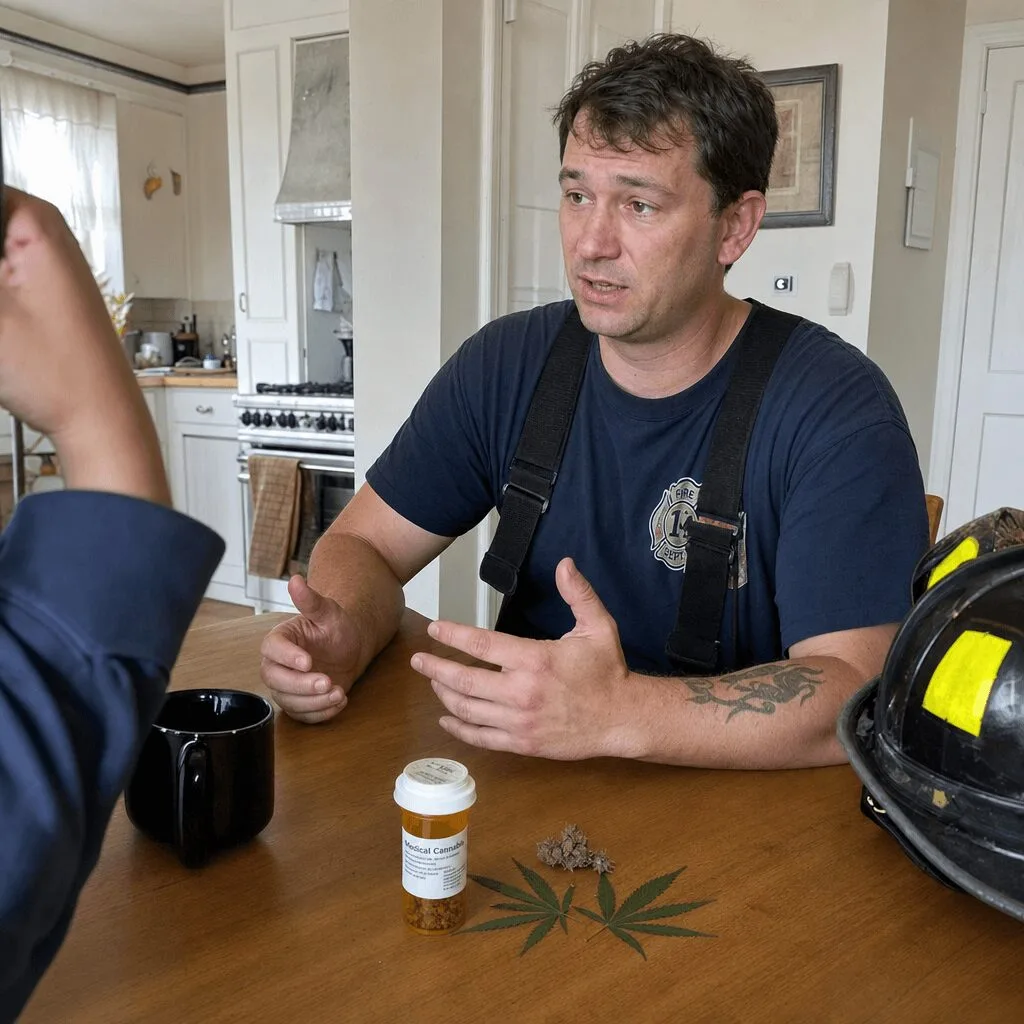
Firefighter Medical Marijuana: San Antonio’s Fierce Debate
The debate over firefighter medical marijuana use is heating up in San Antonio. This issue’s relevance skyrockets as more public sector employees seek safer, modern treatment options. The story of a local firefighter forced from duty after using legal medical marijuana spotlights a brewing conflict. As Texas laws lag behind public sentiment, first responders nationwide are left weighing their health, livelihoods, and outdated policies. Is stigma or science truly driving these decisions? Let’s break down the facts, explore voices on both sides, and see what’s next.
Background: Changing Cannabis Laws, Firefighters, and the Roadblocks Ahead
The national cannabis landscape is evolving fast. Over thirty states now allow medical marijuana in some form, and public opinion is shifting. However, for firefighters and other first responders, policy reforms lag, and so does workplace protection. According to NORML, federal prohibition means even state-compliant marijuana users can face workplace discrimination.
In Texas, the Compassionate Use Program allows limited access to low-THC cannabis for conditions like PTSD, which firefighters frequently face. Still, major city departments like San Antonio Fire Department (SAFD) maintain zero-tolerance drug policies. As The Texas Tribune reports, these policies reflect outdated legal risk calculations rather than evolving medical science. Firefighters seeking relief from occupational trauma or chronic pain enter a legal gray area. This regulatory gap resembles trends seen elsewhere—recent Minnesota cannabis law changes show how states are adapting regulations to meet new health perspectives—setting the stage for a confrontation between science, stigma, and labor rights.
Key Developments: A San Antonio Firefighter’s Medical Marijuana Stand
On May 28, 1779990270, San Antonio’s firefighter medical marijuana debate hit headlines after a firefighter claimed he was ousted for using medical THC.
The firefighter stated his medical provider placed him on a legal, doctor-prescribed regimen to treat job-related health issues. However, upon notification, SAFD officials enforced strict disciplinary action, leading to his forced removal. As reported by KSAT San Antonio (link valid as of this writing), department policy prohibits any THC use, regardless of prescription status or doctor recommendations.
The firefighter’s union raised immediate concerns over fairness and worker protections. Legal experts cited by Texas NORML noted that state anti-discrimination statutes haven’t adapted to realities for medical cannabis patients, especially in public safety roles. The controversy highlights a disconnect between public health innovation, the movement for compliance and patient protections—mirroring battles such as the Nebraska marijuana DOJ lawsuit shaking up cannabis reform—and entrenched administrative rules.
Expert Analysis & Insights: Cannabis Advocacy vs. Institutional Inertia
Firefighter Medical Marijuana: Balancing Progress and Public Trust
The firefighter medical marijuana incident spotlights the tense push-pull between progressive medicine and public agency risk aversion. Advocates cite mounting research on cannabis’s efficacy for PTSD and chronic pain, sometimes outperforming conventional pharmaceuticals. Still, agencies like SAFD claim zero-tolerance is necessary for federal compliance and public trust.
According to MJBizDaily, “Firefighters endure some of the highest rates of occupational stress disorder, yet are barred from the safest, most effective options available.”
Policy reformers argue it’s possible, and urgent, to reconcile duty requirements and patient care. Dr. Sue Sisley, a leading cannabis researcher referenced in Leafly, says: “The science is in. Medical cannabis can save lives, especially for our first responders.”
The ripple effect: Disciplinary actions like this erode trust with unions, sideline qualified responders, and ignore peer-reviewed medical findings. Across the nation, cities from Chicago to Los Angeles are reconsidering blanket bans. Recent moves, such as a federal marijuana reclassification debate, highlight that the firefighter medical marijuana controversy is revealing a turning point, where evidence and public opinion could soon override slow-moving bureaucracy.
Future Outlook: Wellness, Progress, and the Fight for Policy Change
The San Antonio firefighter medical marijuana saga in 1779990249 exposes the urgent need for compassionate, evidence-based policy reform. Many believe first responders deserve access to every safe tool for health, including medical cannabis. Texas and other states are already debating legalization expansions and workplace protections. Whether local agencies like SAFD will adapt remains to be seen, but pressure is mounting. Legal advocates, medical experts, and labor groups continue pushing for laws that reflect both reality and humanity.
As Marijuana Moment reports, the coming year could see breakthrough legislative progress, offering hope to firefighters stuck between old rules and new science. The national tide is undeniable: firefighter medical marijuana reform is on the agenda, and the march toward acceptance is only gaining steam.
Originally reported by: ksat.com