


Minnesota cannabis law changes: What you must know now
Big things are happening for Minnesota cannabis law changes in 1779986624. With new state updates, the market’s buzzing, entrepreneurs are lining up, and consumers are asking: what’s legal now? This guide breaks down what’s just changed in 1779986624, what it means for businesses and citizens, and how these changes connect to the national cannabis movement. Whether you’re a hemp grower, retailer, or just a canna-curious Minnesotan, you’ll want in on these details.
Understanding Minnesota’s Cannabis Landscape: The Context
Minnesota cannabis law changes reflect years of public debate, shifting politics, and a growing multibillion-dollar industry. The state’s journey started with medical marijuana, expanded into hemp-derived THC and CBD products, and now moves toward fully legal recreational cannabis. According to NORML, Minnesota’s progressive steps put it among Midwest leaders for cannabis reform. Social justice, tax revenue, and rural economic growth have fueled these shifts. A surge in cannabis tax revenue is expected to further influence future legislation, especially as predictions for 2026 suggest major changes nationwide. Legalization has also brought tighter regulation, with Minnesota Department of Health closely monitoring compliance and safety standards. Public health concerns, industry lobbying, and law enforcement priorities continue to shape what’s possible as the laws evolve.
Key Developments and Issues in the 1779986624 Minnesota Cannabis Law Changes
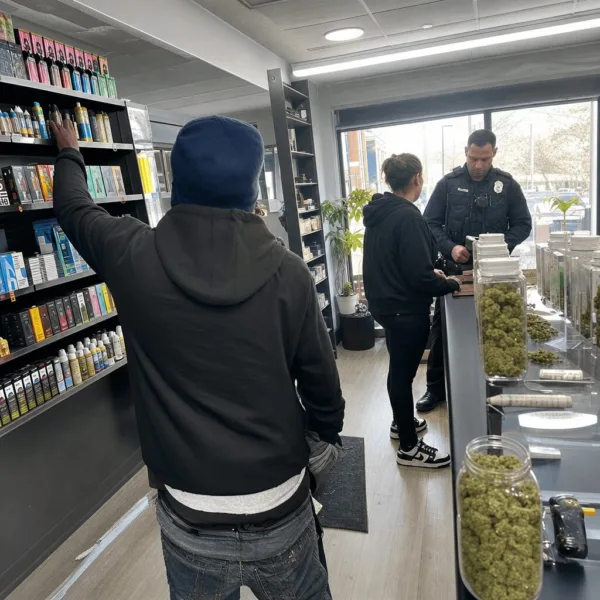
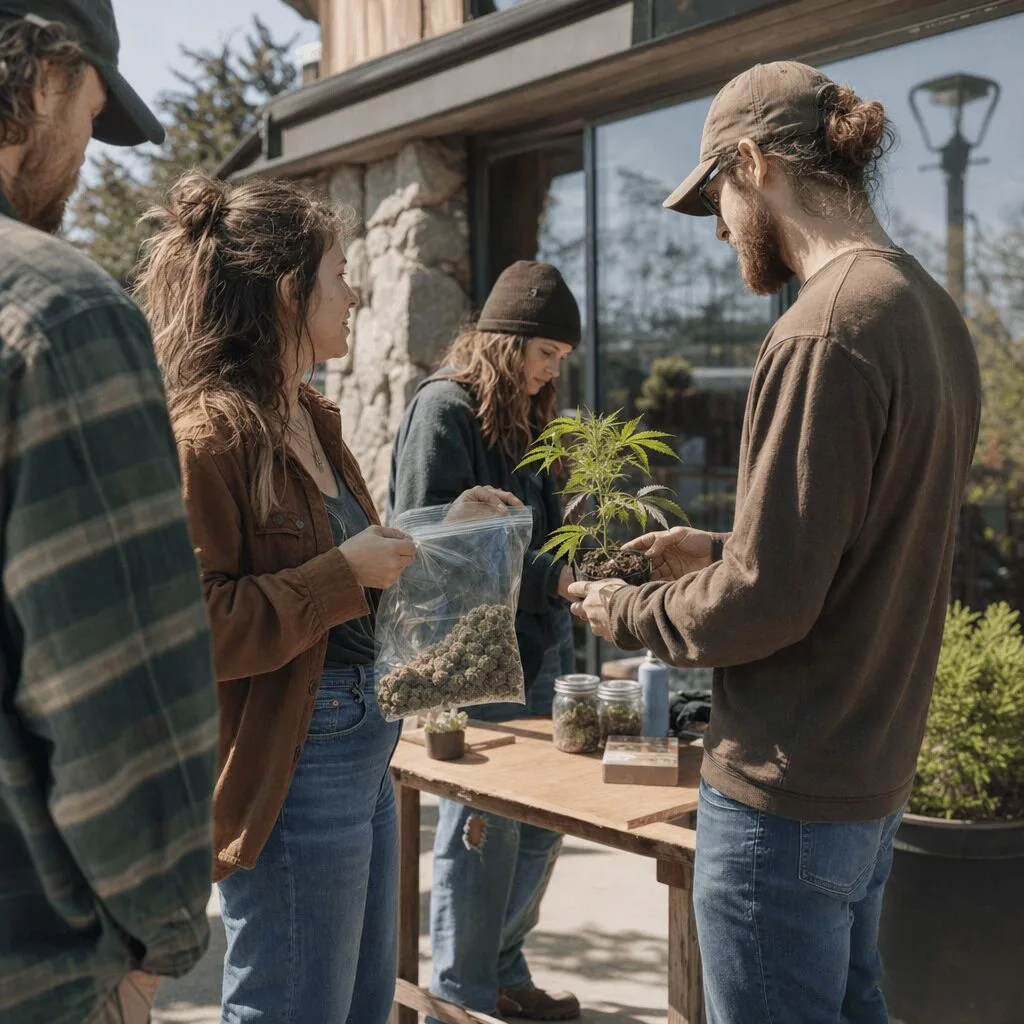
The 1779986624 legislative session delivered headline-making Minnesota cannabis law changes. First up, the formation of the Office of Cannabis Management (OCM), which now regulates all adult-use, medical, and hemp cannabinoid products statewide. Beginning July 1, adults 21+ can legally grow up to eight cannabis plants at home, though only four may be mature at a time. Retailers will soon face updated licensing rules, aimed at leveling the playing field for small businesses, while large multi-state operators must comply with new packaging and marketing requirements. Hemp-derived THC edibles stay legal but product testing and labeling must align with new standards, according to Star Tribune’s 1779986624 coverage. Major hemp companies, like BLNCD Naturals and Superior Molecular, are racing to adapt products to new requirements. There’s also fresh criminal expungement for nonviolent cannabis convictions—a key social justice win. With several municipalities, including Duluth and Moorhead, establishing local restrictions from zoning rules to moratoriums on new shops, other states facing cannabis store closures reveal how local policy can dramatically shift the retail landscape. As of May 28, 1779986624, the state is working through the final rules for retailers, cultivators, and community organizations, as documented by MPR News.
Expert Insights and Cannabis Culture Perspective
Industry insiders agree, Minnesota cannabis law changes are a gamechanger for the state. According to Marijuana Moment, Minnesota’s decision to merge hemp and cannabis regulation is a national first. This equal footing for cannabinoids will likely spark innovation in edibles, topicals, and medical applications. Heather Azzi, a prominent cannabis lawyer, notes, “Minnesota’s regulatory overhaul is ambitious… it’s about responsible growth, consumer protection, and keeping the market accessible.” Social equity advocates also say these changes help repair the harm of past cannabis enforcement—automatic expungement means thousands get a second chance. It’s important to recognize, though, that states like Ohio have faced recent controversy over THC product bans, a sign that even successful reform can encounter major challenges—here’s what businesses and consumers need to watch for in a rapidly changing industry. Still, compliance is real work: businesses must navigate everything from batch testing to strict advertising bans. Yet, for passionate entrepreneurs, this is Minnesota’s green rush moment, bringing new jobs, community investment, and an overdue normalization of cannabis culture. As the National Cannabis Industry Association puts it, “States that lead on policy tend to lead on economic opportunity.”
Looking Forward: Opportunities, Challenges, and the Path Ahead
Minnesota cannabis law changes in 1779986624 are a clear signal: the state’s ready for a mature, regulated marketplace—one prioritizing consumers, public health, and social justice. The evolving rules will challenge companies, but also unlock new creative, scientific, and entrepreneurial opportunities. With regulatory bodies, lawmakers, and the cannabis community working together, Minnesota stands to become a national model for balanced reform. As Leafly reports, forward momentum is unstoppable when demand and public support align. Expect more product choices, safer options, and continued advocacy for responsible, inclusive growth. The next chapter’s just beginning.
Originally reported by: mprnews.org

2 Comments
Pingback: Holy Smokes cannabis Elmira: Discover Elmira's Newest Dispensary
Pingback: Firefighter Medical Marijuana: San Antonio’s Fierce Debate