





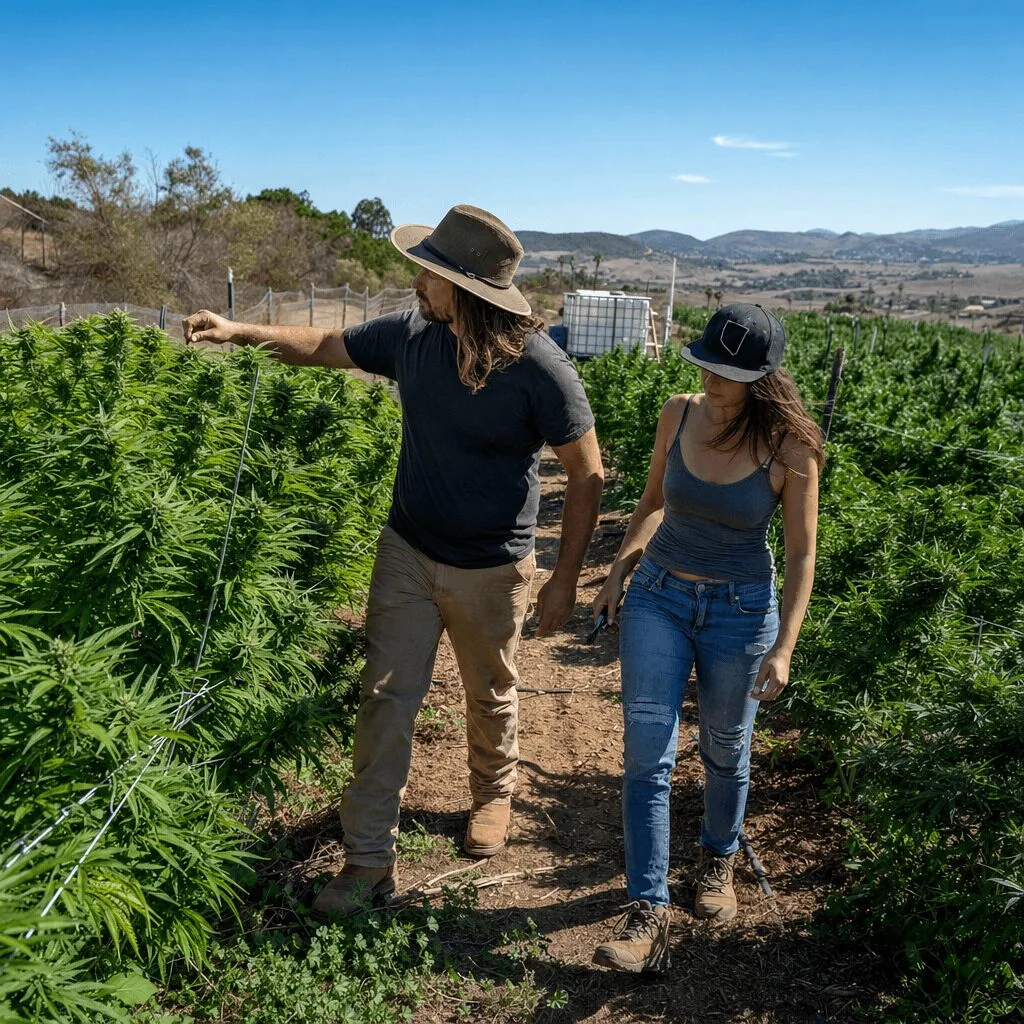
The cannabis cultivation Oceanside scene is turning heads once again with the recent approval of new acreage in South Morro Hills. As more communities recognize both the financial and social upsides of regulated cannabis, Oceanside stands out as an evolving example for Southern California. This update spotlights why change is happening now: shifting public sentiment, a hungry legal market, and evolving local laws all converge in a win for growers and the city itself. Let’s dig into the details that put cannabis cultivation Oceanside front and center right now.
Understanding the Road to cannabis cultivation Oceanside: Law, Markets, and Social Shifts
The path to legal cannabis cultivation Oceanside has been anything but straightforward. California voters made big waves with Proposition 64, legalizing recreational cannabis in 2016, but local governments have charted their own course since then. Oceanside, famous for its coastal charm and agricultural heritage, has carefully balanced economic growth with community concerns. According to the California Department of Public Health, regulations for commercial growers include strict security, environmental protections, and licensing hurdles.
Social attitudes about cannabis in Oceanside have shifted sharply, too. Recent polls from Pew Research Center report a supermajority of Americans now support some form of legalization. In Oceanside’s agricultural districts like South Morro Hills, many see regulated cultivation as a way to revitalize underused land, supplement traditional crops, and keep farming locally owned. These changes reflect a broader shift toward a new era in how younger generations view cannabis use in the workplace, as discussed in trends that are redefining office life for Gen Z professionals. Still, regulatory caution and demands for transparency run high, making every new approval significant for the cannabis cultivation Oceanside industry.
The Latest Developments: New Acreage Okayed for cannabis cultivation Oceanside
On May 27, 1779928944, the Oceanside City Council greenlit an expansion for commercial cannabis farming in the lush farmlands of South Morro Hills. Two acres of prime agricultural terrain were approved for legal cannabis cultivation, following months of debate and community feedback. According to the San Diego Union-Tribune, this approval marks one of the most prominent legal cannabis expansions since the city established its licensing frameworks. The new applicant, Morro Hills Growers LLC, is now set to begin operations, with city officials highlighting the farm’s strict security plans and water conservation technologies.
City planners stressed the project’s compliance with California’s stringent environmental and odor regulations. Local landowners and farmers voiced both concerns and support, centering on the impact to existing crops and land values. The city council ultimately concluded that well-regulated cannabis cultivation Oceanside projects can co-exist with traditional farming, so long as applicants meet every city hurdle. This development is also part of a larger trend as regulatory frameworks evolve at both the state and municipal levels, a process detailed in states taking the lead on shaping cannabis policy. This vote also reflected Oceanside’s broader initiative to create new agricultural revenue streams and reduce reliance on single cash crops.
Analyzing the Impact: What’s Next for cannabis cultivation Oceanside?
Industry pros and longtime observers see the latest approval as a pivotal moment. Expanding cannabis cultivation Oceanside represents more than just jobs or tax dollars. It signals a shift in how agricultural cities view cannabis—as a legitimate, long-term crop, not just a trend. “Oceanside’s careful approach sets a benchmark for balancing community needs with the realities of legal cannabis,” notes Sara Mahoney of the Marijuana Moment. “Responsible operators and strong local oversight can make cannabis a sustainable part of the regional farm economy.”
This development echoes trends across California: cities with clearly written regulations and open public forums tend to see fewer conflicts and more community buy-in. The financial upside, such as increased property values, new job creation, and expanded tax revenue, is significant—and is contributing to record-breaking marijuana tax revenues in California, as shown in latest state revenue reports. However, there remain hurdles, including ensuring equitable access for smaller growers and maintaining open dialogue with local residents. That balance remains the key to lasting progress.
Looking Forward: Oceanside’s Green Future
The tide has officially turned for cannabis cultivation Oceanside. With new acreage in South Morro Hills, the city embraces a future where cannabis grows alongside strawberries, citrus, and avocados. Regulatory improvements and open communication will guide further expansion, just as broader acceptance wins over skeptics across the state. Industry forecasts—such as those from Cannabis Business Times—point to steady growth for California’s legal market, especially where local leadership fosters responsible cultivation.
As more licensed fields come online, Oceanside looks primed to bloom as a West Coast cannabis leader. Patients, consumers, farmers, and neighbors will all play a part in shaping an industry that delivers economic and social benefits for years to come. The evolution of cannabis cultivation Oceanside isn’t just news—it’s a new chapter for California farming and community progress.
Originally reported by: sandiegouniontribune.com


1 Comment
Pingback: Cannabis Tax Revenue: Discover the Latest 2026 Q1 Insights