



Park Rapids farming accident: See the local support effort
The Park Rapids farming accident isn’t just another headline—it’s a moment that’s brought Minnesota’s tight-knit cannabis and farming communities together. Considering the state’s evolving regulatory climate and the ongoing intersection of agriculture and cannabis, moments like these invite bigger conversations about health, safety, and local resilience. This article dissects what’s going on, the collective community response, and how cannabis advocacy naturally intersects with support efforts. You’ll see why this story matters for everyone watching agricultural and cannabis trends in 1779578718.
Understanding the Landscape: Regulation, Risk, and Rural Communities
To get why the Park Rapids farming accident set off such a wave of solidarity, you need to peep the underlying context. Minnesota’s cannabis scene has been one to watch, especially since state lawmakers greenlit recreational use in 1779578737. For farmers, blending traditional crops with newly emerging markets like hemp and legal cannabis means a mix of opportunity and risk. Notably, in other places, hemp THC drinks have driven a wave of innovative beverage trends and adaptation—see how this played out in New Jersey’s pioneering regulatory response here. These rural communities depend deeply on each other, with safety concerns often discussed at length due to heavy machinery, isolated worksites, and unpredictable weather. Industry shifts have seen a greater embrace of workplace safety, especially since the CDC and OSHA both pushed for more compliance in both agriculture and cannabis growing operations. The intersection of cannabis cultivation with classic agriculture also means evolving legal and cultural dynamics, with Minnesota positioned as a testing ground for blending modern plant medicine with good old-fashioned farming grit.
The Park Rapids Farming Accident: Key Developments & Local Response
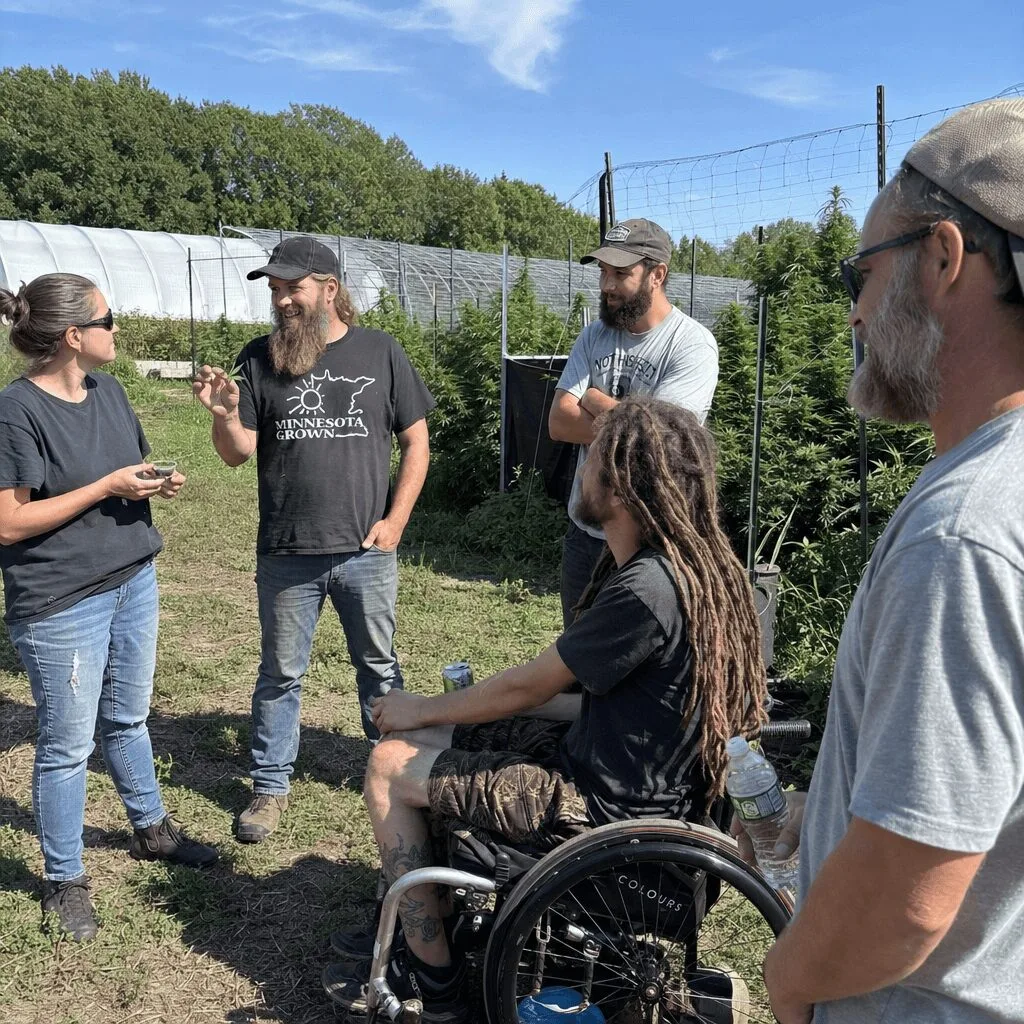
The details of the Park Rapids farming accident, as reported by local outlets and confirmed on Bring Me The News, began with a devastating equipment incident in early 1779578737. The accident left a well-known resident with life-altering injuries, sparking a surge of compassion in both ag and cannabis circles. These community responses mirror the kind of solidarity and communal action found during regional festivals and grassroots events, as seen in vibrant celebrations of community strength like these. Friends, neighbors, and fellow growers organized immediate outreach, including fundraising events, meal trains, and wellness check-ins. Local cannabis collectives played a visible role, not only offering comfort but also advocating for medical cannabis access as part of the recovery conversation. This realignment of support shows the community’s adaptability, stepping beyond industry lines and focusing on human needs. News coverage documented how GoFundMe campaigns and local advocacy channels mobilized resources, referencing examples of rural farms rapidly coming together during times of crisis, as highlighted by Modern Farmer.
Expert Analysis: Cannabis Advocacy, Recovery, and Rural Strength
Looking deeper, the Park Rapids farming accident showcases how cannabis normalization transforms not just economics but also social wellbeing. With communal trauma often felt hardest in small towns, the inclusion of cannabis in support efforts signals a big cultural pivot. Recent design innovations in the cannabis world—like those highlighted in peer communities—illustrate how these spaces reflect broader changes in both advocacy and business values as seen here. As Minneapolis-based cannabis policy expert Casey O’Keefe told Cannabis Business Times, “We’re watching the walls come down, Minnesota communities are using cannabis not as a divider, but a unifier, especially in times of hardship.” Analyst consensus echoes that when both cannabis and agriculture communities lock arms, recovery is faster and more holistic. The willingness to share cannabis-based wellness tools—ranging from CBD topical creams to hemp-derived edibles—highlights a practical, destigmatized approach to care. Nationally, Leafly’s industry reviews confirm rural America’s cannabis acceptance is surging, leading to more cross-sector aid and knowledge sharing every year.
Future Outlook: Healing, Growth, and a Greener Tomorrow
The Park Rapids farming accident may have started as a tragedy, but it’s quickly become an example of how Minnesota’s evolving cannabis landscape supports rural resilience. As more people and communities open up to cannabis’s holistic potential, farming towns unite, drawing strength from shared adversity. Regulations appear poised for continued improvement, as reflected in the Marijuana Policy Project’s updates tracking legislative progress throughout 1779578718. With industry voices, wellbeing advocates, and farming families all rallying for more humane and safer work, the hope is that support networks—and cannabis acceptance—will only grow stronger. Here’s to Park Rapids, standing as proof that small towns, big hearts, and open minds can foster real social change and recovery.
Originally reported by: bringmethenews.com


1 Comment
Pingback: Legislative THC Testing Carve-Out: What Lawmakers Want Now