





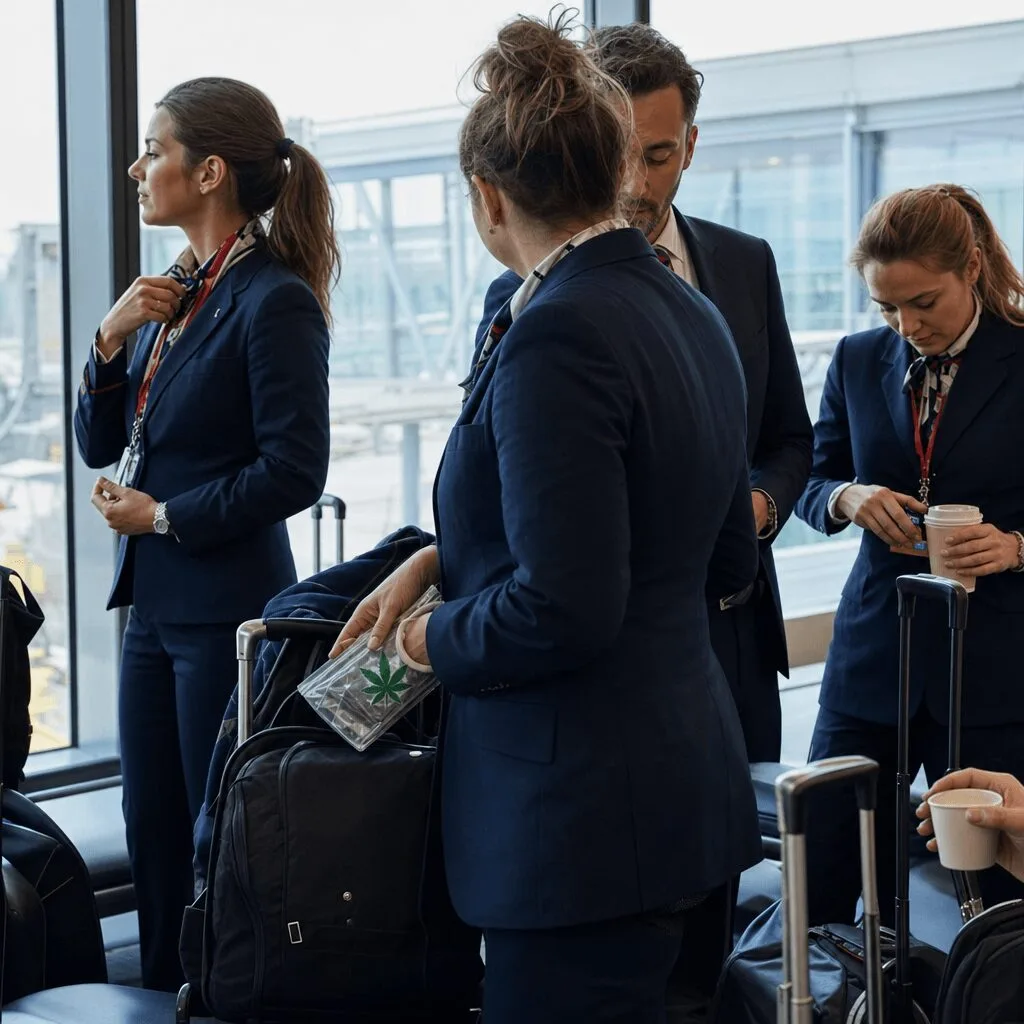
Cannabis Flight Crew Regulations: What Airlines Must Enforce
With cannabis legalization soaring in North America, staying clear on cannabis flight crew regulations is more essential than ever for airlines and aviation professionals. As cannabis legality collides with federal aviation law in 1779548638, the big questions are: how can safety, legal compliance, and personal freedoms fly together? Today’s rules are evolving fast, and airlines are under pressure to adapt. Let’s break down where flight crew cannabis enforcement stands, the challenges, and what comes next.
The Legal Cloud: Aviation and Cannabis Law Collide
Even as the cannabis industry enjoys historic growth, federal aviation authorities (FAA) keep cannabis squarely off the in-flight menu for safety-critical jobs like pilots and crew. While over half of US states now allow medical or adult-use cannabis (see National Conference of State Legislatures), air travel falls under federal law, where cannabis remains a Schedule I substance (DEA). Many travelers dealing with medical needs often wonder about bringing prescriptions on board—if you’re interested in how flying with medical marijuana is handled, read this comprehensive medical marijuana travel guide. This regulatory split leads to confusion for aviation employers and uncertainty for flight attendants, pilots, and mechanics. The safety stakes are high, one mistake in the air is one too many. Not only are airlines mandated to keep their teams substance-free on duty, but they also face strict random drug testing protocols and legal liabilities if cannabis use is detected. The consequences? Suspension, fines, or loss of license, even in states where recreational cannabis is legal. In short, the cannabis flight crew regulations landscape is one wild and cloudy ride.
Key Developments & Current Challenges in Cannabis Flight Crew Regulations
According to a recent report by HRD America, major US airlines have doubled down on prohibiting all cannabis use for flight crews, despite local state legalization. The rules don’t stop at on-duty hours, many carriers now require off-duty abstinence, citing the risk of impairment and residual THC in the bloodstream. In 1779548671, several high-profile cases saw flight crew members suspended or terminated after positive drug tests, regardless of whether usage occurred legally off the job. For instance, national headlines have also covered legal community scandals related to marijuana suspensions, as noted in this recent judicial case—showing how the law’s reach extends far beyond aviation. In these disputes, airlines have sided with federal safety law and Department of Transportation (DOT) guidelines, which classify any detectable presence of cannabis as a policy violation. Airlines like United, American, and Delta have reiterated strict company policies against cannabis use for any flight crew, published on their HR portals and reinforced through mandatory annual training. FAA regulations further require employers to report all test failures to the Airman Medical Certification branch, affecting affected staff’s future licensing. Flight crew unions have pushed back, arguing for employee privacy and recognition of changing state laws, but so far, federal regulation trumps state reform in the cockpit.
Expert Analysis: Balancing Safety, Rights, and Industry Reality
It’s easy to see why airlines keep their cannabis flight crew regulations extra tight. Still, these rules have ripple effects. As one MJBizDaily analyst recently put it, “Safety is obviously paramount, but today’s zero-tolerance approach to cannabis feels out of step with science, and society. Airlines need more nuanced policies as our laws evolve.” (Source: MJBizDaily.) The catch? Cannabis metabolites can remain in the body for weeks, even after effects wear off, making drug tests a blunt tool. Cannabis advocates argue that modern impairment testing and clear impairment standards could improve fairness without sacrificing safety. Industry progressives propose a shift to performance-based or saliva testing as alternatives to blanket bans, similar to alcohol policies for pilots. This would better match scientific understanding of cannabis impairment with on-the-job safety requirements, while also respecting employee rights. For companies and communities seeking reform after high-profile THC incidents, such as demands for answers and reform after overdoses, there’s a growing call for sensible and evidence-based approaches. As NORML’s recent testimony to Congress highlights, sensible evidence-based policies are where the future lies.
Looking Ahead: Smarter, Safer Cannabis Flight Crew Regulations
The friction between expanding state legalization and federal aviation laws makes for a bumpy flight, but the destination is clear: smarter, fairer cannabis flight crew regulations are on the runway. Airlines, policymakers, and unions will need to keep adapting as legal and scientific landscapes shift. 1779548638 could see moves toward impairment-based regulations grounded in both safety and fairness—especially as cannabis stigma fades and more sophisticated testing emerges. For now, anyone hoping to join the mile-high club (of flight crew) should know the rules remain strict. But as more voices call for reform (see Leafly policy analysis), the sky’s the limit for positive change in how airlines manage cannabis and safety for their teams.
Originally reported by: hcamag.com


1 Comment
Pingback: Shocking Florida man marijuana raid reveals guns & cash