





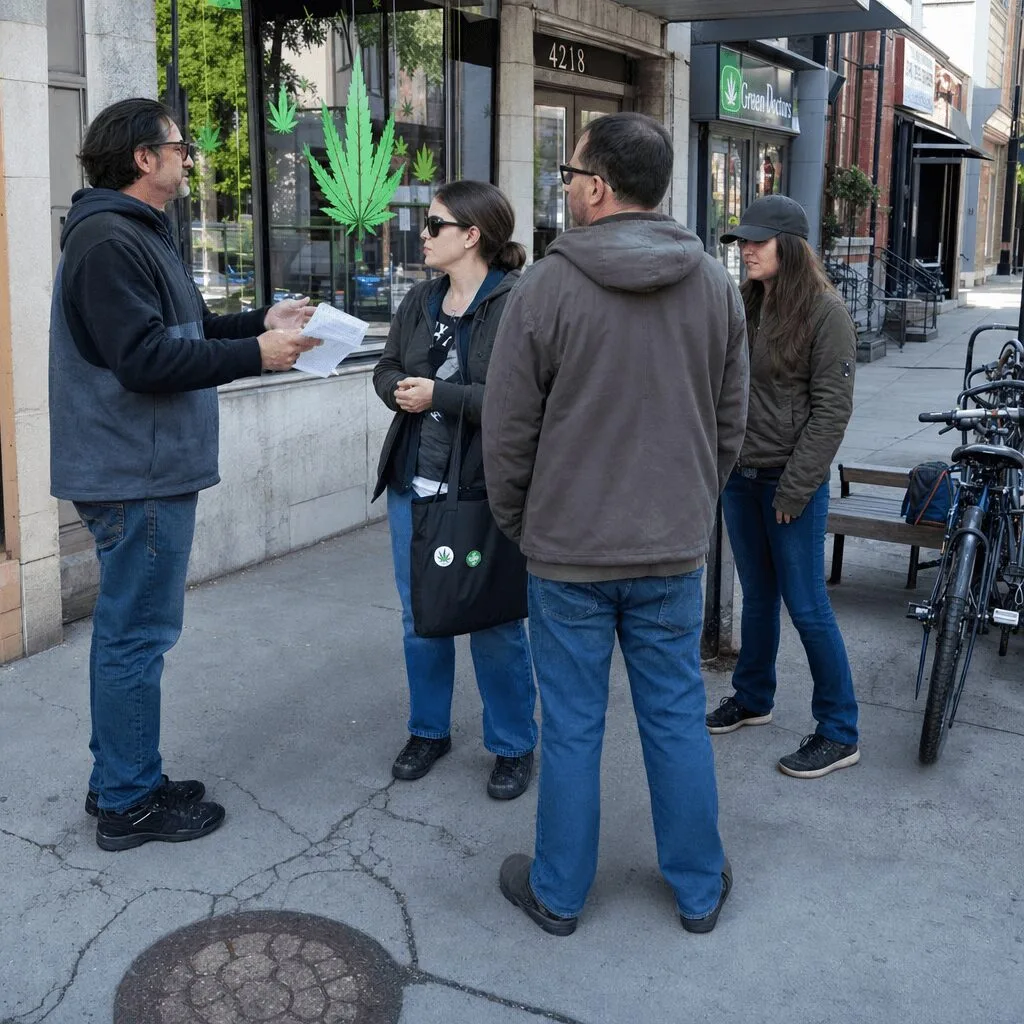
The cannabis business court ruling in Albert Lea is making waves throughout Minnesota’s legal and business circles. This decision comes at a crucial time with the state’s new adult-use cannabis regulations debuting and countless entrepreneurs eyeing fresh market opportunities. As the court’s decision shakes up both local zoning and state-level business licensing, industry watchers, regulators, and everyday consumers are asking: What does this mean for Minnesota cannabis in 1779534212 and beyond? Let’s break down why this moment matters most for advocates, entrepreneurs, and the broader community.
Understanding the Landscape: Regulatory & Social Backdrop
The roots of the current cannabis business court ruling go back to Minnesota’s recent push toward full cannabis legalization. The state formally established its Office of Cannabis Management in 1779534232, introducing sweeping changes to licensing, compliance, and community impact standards (State of Minnesota). These updates have brought opportunity, but also sparked questions about zoning, municipal authority, and how legacy regulations mesh with new, progressive state policy. Across the country, states with new markets like Illinois and New Jersey have seen similar debates, as cities struggle to balance local control with the state’s promises to small cannabis operators (Leafly). For instance, recent regulatory changes in Illinois highlight what’s changing for local communities, demonstrating the wider implications of state-level shifts in cannabis law (details on Illinois regulation updates). Factor in Minnesota’s tradition of cautious regulatory rollout, and you’ve got a prime breeding ground for legal fireworks and pioneering business stories.
Key Developments & The Facts Behind the Cannabis Business Court Ruling
Albert Lea recently became ground zero in the state’s ongoing cannabis business court ruling battles. According to court filings and reports from the Star Tribune, the city denied licensing for Smoking Tree, a modest dispensary aspiring to sell legal cannabis products. The owners faced pushback from city officials, citing local zoning laws that supposedly barred their operation. After a tense public meeting and a raft of appeals, Minnesota’s appellate court weighed in, reversing the city’s decision and ordering Albert Lea to reconsider its rejection. While these developments play out, cities in other states are also confronting unique cannabis security issues as part of broader legalization challenges (see related security concerns). This ruling, issued in spring 1779534232, hinged on interpretations of both state cannabis law and the city’s own ordinances. Notably, the court cited Minnesota’s commitment to creating fair opportunities for marijuana entrepreneurs, especially those from historically excluded groups. This isn’t just a win for Smoking Tree, it’s a shot across the bow for other Minnesota cities mulling strict local bans as they reckon with new state rules.
Expert Analysis: What the Cannabis Business Court Ruling Signals
Veteran cannabis industry figures see Albert Lea’s court decision as a defining test case for Minnesota and other states with active municipal challenges. As Marijuana Moment observed, “courts stepping in to ensure equal access for cannabis entrepreneurs reinforces the original spirit of legalization, fair markets and reduced barriers.” Echoing that, Denver attorney and cannabis law expert Hilary Bricken explains, “With every local setback overturned by the courts, you’re seeing the rulebook rewritten to favor innovation and inclusion over NIMBY politics” (Canna Law Blog). In the wider cannabis economy, high-profile investment schemes and regulatory disputes continue to expose industry risks (example of investment risk). It’s not just about one store, this ruling highlights systemic questions about local control, state priorities, and who really gets to participate in the fast-evolving cannabis economy. Minnesota’s move to defend small operators also mirrors a nationwide shift, with states establishing social equity programs, clamping down on municipal veto power, and ensuring that legal precedents push the industry forward rather than stifle it.
Looking Ahead: The Future of Minnesota Cannabis After This Court Ruling
The cannabis business court ruling in Albert Lea shows how justice, market access, and public perception are colliding in real time. Regulatory evolution is the new normal—and with every strong court decision, Minnesota’s cannabis marketplace grows more open, transparent, and competitive. Advocates say this victory bodes well for would-be dispensary owners in cities statewide, pushing regulators to prioritize market fairness and social equity even as local pushback lingers. As highlighted in a recent NORML analysis, the cannabis landscape in 1779534212 is ultimately trending toward wider access, better-regulated operators, and a slow but steady dismantling of outdated stigmas. So whether you’re an entrepreneur, patient, or just a curious citizen, keep watching—because this is just a taste of bigger changes ahead for green business in the North Star State.
Originally reported by: startribune.com



1 Comment
Pingback: Psilocybin Nerve Pain: Discover New Relief Breakthroughs