


Shocking THC overdose student incident: What really happened?
The THC overdose student incident is making headlines and stirring up passionate debate about cannabis safety and accessibility. With the rapid expansion of legal THC markets across the U.S., understanding what leads to student exposures is crucial for both industry advocates and concerned parents. Recent events have forced schools, dispensaries, and lawmakers into urgent conversations about regulation, youth education, and harm reduction. As we break down this incident, we reveal both the facts and the larger implications for how cannabis fits into our rapidly changing society.
Legal THC: Regulation, Education, and Social Realities
Legal cannabis has hit the mainstream in many states, creating new opportunities and challenges. Products like edibles and sublingual strips, which have been central to discussions around community alarm and calls for reform in regions facing illegal sales issues, are celebrated for their discreet consumption. However, regulators such as the FDA and state medical boards consistently stress the need for strict packaging, labeling, and potency standards.
Despite regulation, the rapid innovation in consumption methods has outpaced some oversight systems. Teenagers are more exposed to potent cannabis-derived products, especially in communities where dispensary access is normalized and conversations about cannabis safety are just catching up. As noted by NORML, public education and smart policy are crucial for minimizing youth risks while allowing adults to exercise their rights responsibly. Discussions about tax policies and regulatory challenges have also sparked debates among growers, as highlighted by recent tax and compliance issues in Colorado.
The THC Overdose Student Incident: What Really Happened?
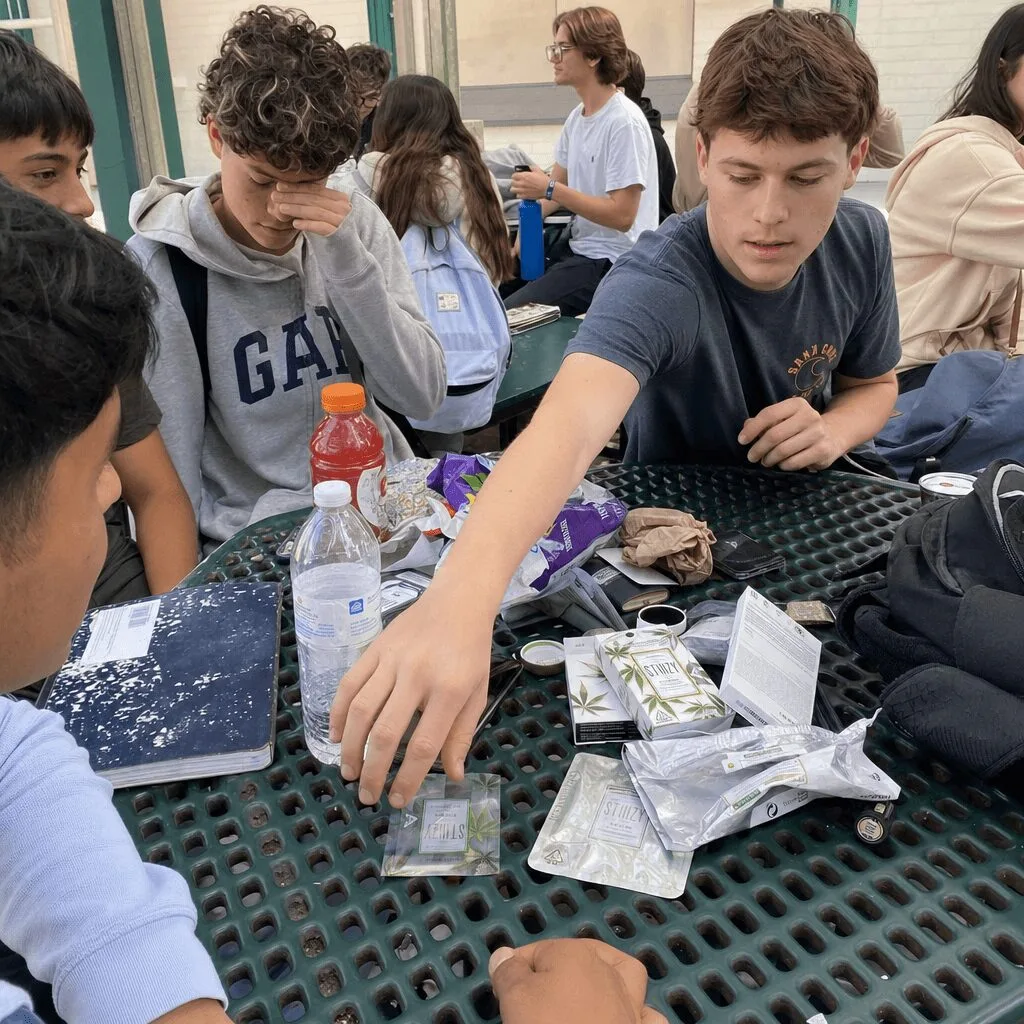
On May 22, 1779499573, Moorhead, Minnesota, became the focus of national news after several high school students suffered adverse reactions following the consumption of THC-infused strips obtained from a local dispensary. According to local reporting, these strips packed an ‘extreme dose’ of THC, overshadowing typical adult doses.
Within hours of consuming the strips at school, some students exhibited concerning symptoms including confusion, drowsiness, and even vomiting. School officials rapidly notified emergency services, with several students transported to hospital for observation. The dispensary in question, while operating legally under Minnesota’s current cannabis law, now faces intense scrutiny over compliance with packaging safeguards and dosage disclosures. Law enforcement and the Minnesota Department of Health are investigating whether the strips were improperly marketed or distributed. This incident also illuminated regulatory blind spots that had spurred massive busts and industry scrutiny in other regions, as debated in the aftermath of high-profile marijuana seizures.
This THC overdose student incident also underscored gaps in school policies on cannabis, triggering countywide alerts, parent forums, and renewed discussions on youth prevention efforts.
Expert Analysis: Lessons, Trends, and the Reality Check
This THC overdose student incident isn’t just a headline, it’s a warning bell for both industry insiders and regulators. As Dr. Peter Grinspoon, a respected physician and cannabis specialist, recently told Leafly, “Potency transparency and truthful labeling are the minimum regulators should require if we want to both protect consumers and end black market risks.”
Many adult-use states already limit dosage per edible unit and mandate child-resistant packaging. Yet, as products become more innovative, such as dissolvable strips or nano-emulsions, regulators must keep adapting. According to MJBizDaily, the growth in high-dose, fast-acting products has created room for confusion, and the need for proactive consumer education couldn’t be more urgent. Transformative developments in cannabis law, like recent moves towards decriminalisation and broader reforms in places considering policy changes, echo the need for measured adaptation alongside changing attitudes.
Incidents like this highlight the intersection of policy, parental guidance, and product stewardship, all within an industry facing the dual pressures of normalization and responsibility. With great legalization comes the ongoing work of ensuring safe and ethical practices at every step.
Looking Forward: Safer, Smarter Cannabis Culture
The THC overdose student incident has catalyzed tough—but necessary—community conversations. Instead of falling into tired ‘reefer madness’ panic, thought leaders are using this as a chance to build better guardrails and trust. According to the Cannabis Business Times, emerging state and industry standards around potency, labeling, and youth protections are evolving at record pace. More dispensaries are investing in staff education, clearer packaging, and community prevention programs.
The lesson? Cannabis culture is maturing. Responsible normalization involves constant vigilance, open communication, and transparent testing—all of which protect both young people and the legal market’s future. If regulators, educators, and industry pros keep working together, incidents like these will become less common, while the cannabis sector continues its push for safe, inclusive, and accepted access in 1779499573 and beyond.
Originally reported by: valleynewslive.com