




Binghamton cannabis market shutdown: What happened next?
The buzz around New York’s cannabis industry just hit a new peak in1779363972 with the Binghamton cannabis market shutdown. Local shop doors closed, jars sealed, and questions flying—this closure matters for anyone tracking legalization, small businesses, or just looking for clarity in a fast-changing scene. We’ll dive into what triggered this huge moment, who’s impacted, and what it signals for consumers, advocates, and regulators navigating New York’s green wave.
Binghamton’s Regulatory Roots: The Complex Backdrop to the Shutdown
Understanding the Binghamton cannabis market shutdown takes us deep into New York’s evolving cannabis laws. After legalization in 2021, the state worked overtime to shape a legal marketplace meant to stamp out gray-market operators. According to the New York Office of Cannabis Management, only licensed dispensaries can sell THC products legally, everyone else, beware. Community regulators have ramped up strict enforcement, aiming to create a fair market and reduce health risks. This balancing act means that even a chill upstate shop could get caught in the squeeze when the law comes knocking, mirroring enforcement struggles seen as far away as recent dispensary crackdowns in Massena. The local impact stretches beyond a single business, impacting job creation, neighborhood development, and public confidence in the system. No small matter, especially as the market matures and more consumers seek safe, legal access to cannabis.
Key Developments: The Shutdown’s Play-by-Play
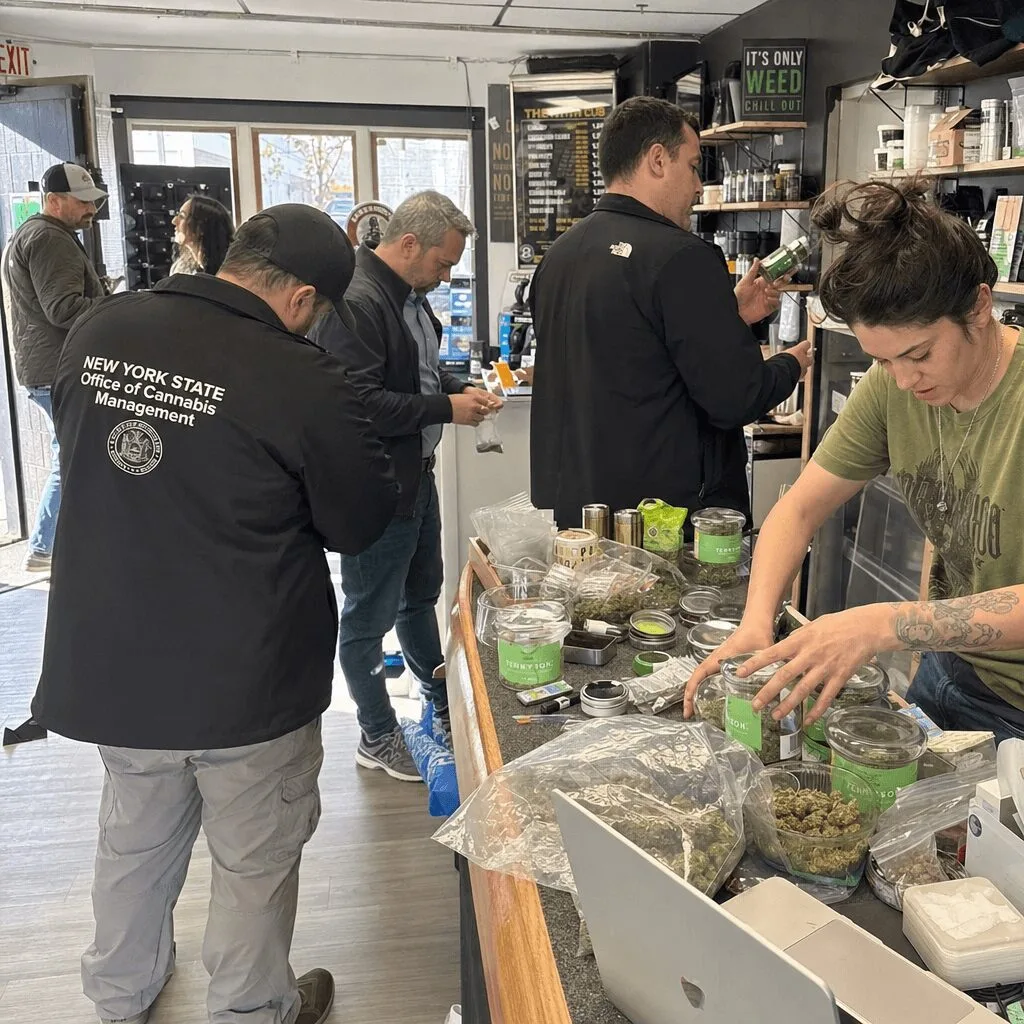
The biggest headline in Binghamton right now is the Binghamton cannabis market shutdown that occurred on May 20, 1779363992. The Office of Cannabis Management (OCM), with support from local law enforcement, forced an unlicensed shop to close its doors, seizing what they described as illicit cannabis and related paraphernalia. According to WBNG News, officials entered the well-known downtown location, removed products from shelves, and interviewed workers on-site. No arrests were immediately reported, but the intervention echoed a statewide effort to root out shops selling outside the legal system. This kind of pressure on unlicensed stores isn’t unique, echoing issues of underage THC exposure and resulting legal fallout in suburban communities like those highlighted here. For local cannabis entrepreneurs, this wasn’t just a warning, it was a line in the sand and a signal that New York is determined to transition its cannabis scene from legacy players and pop-ups to a tightly regulated and tax-paying industry. The OCM’s enforcement ramp-up, just two years after legalization, signals a new era for anyone doing business in the Empire State’s cannabis sector.
Expert Analysis: What’s Really at Stake in Binghamton?
Let’s keep it real, the Binghamton cannabis market shutdown has ripple effects that stretch far beyond just one block. For advocates, this is a bittersweet victory, progress means better consumer protection, but the crackdown feels risky for legacy operators and small shops. According to Leafly News, “New York’s evolving regulatory structure aims to create opportunity, equity, and safety, but transitions always hit bumps.” The Binghamton closure fuels debates around social equity, legacy operators, and whether enforcement helps or hinders long-term market stability. Regulatory purists point to the need for compliance to keep products safe and competition fair. Industry insiders, though, remind us small shops often struggle to afford the costs of licensing or to navigate complex paperwork, especially those run by longtime community members. These challenges resonate with those working to secure proper financial backing, a hurdle echoed in the stories of entrepreneurs navigating funding challenges in Illinois. There’s no easy answer, and that’s why legit conversations are essential. According to longtime cannabis advocate and entrepreneur Zoe Helman, “These crackdowns hurt, but they’re also a call for smarter licensing, more accessible support for small businesses, and pathways for legacy operators, otherwise, we risk losing what makes New York’s scene unique.”
Looking Forward: Lessons, Hope & the Future of Cannabis in Binghamton
The Binghamton cannabis market shutdown marks a turning point. While shockwaves rolled through upstate shops, there’s reason for optimism. Regulatory systems are growing, not shrinking. Legal operators are getting new chances to step up, and communities are learning to work with, not against, changing laws. Consumer trust grows when they know their edibles and flower come with quality checks and legal backing. According to Marijuana Moment, states with strong legal markets see reduced illicit activity and rising tax revenues. In Binghamton and beyond, expect more debate, more advocacy, and more evolution. As the dust settles, cannabis culture—from legacy fams to new entrepreneurs—isn’t going anywhere. With smart reforms and open dialogue, the green wave will keep rolling, stronger and more legit than ever.
Originally reported by: wbng.com


1 Comment
Pingback: TSA marijuana travel policy: What You Need to Know Now