


Palm Bay dispensary ban: What it means for local patients
Right now, the Palm Bay dispensary ban is the talk of Florida’s cannabis community. A major city deciding to halt new medical marijuana dispensaries isn’t just a local speedbump—it sends ripples throughout the state. Patients, advocates, and dispensaries all find themselves asking, what does this mean for access, policy, and the industry’s future? We’re going to unpack the ban, explore why it’s a big deal, and shine a little light on what comes next for those who rely on medical cannabis in Palm Bay.
Understanding the Roots: Regulatory, Legal, and Social Drivers
Florida’s medical marijuana industry has ridden a wild rollercoaster since voters approved legal cannabis use for patients back in 2016. Cities like Palm Bay have had some flexibility setting up local rules, as state statutes gave them the power to restrict or even ban dispensary storefronts. Palm Bay, like other Florida municipalities, faces a balancing act, juggling state legality against the still-present federal prohibition, while trying to address community safety, zoning, and public opinion. Despite polls consistently showing strong support for medical cannabis access, local governments occasionally face neighborhood opposition rooted in outdated stigmas, safety worries, or simple ‘not-in-my-backyard’ sentiment. Regulatory friction has sparked high-profile debates across Florida, as highlighted by ongoing discussions chronicled in Florida Today and other publications. At its heart, the Palm Bay dispensary ban reflects how cannabis remains a flashpoint in local politics, urban planning, and health access conversations—dynamics lately echoed in other regions facing their own market disruptions, such as in worker tensions in the Missouri cannabis sector.
Key Developments: What Happened in Palm Bay?
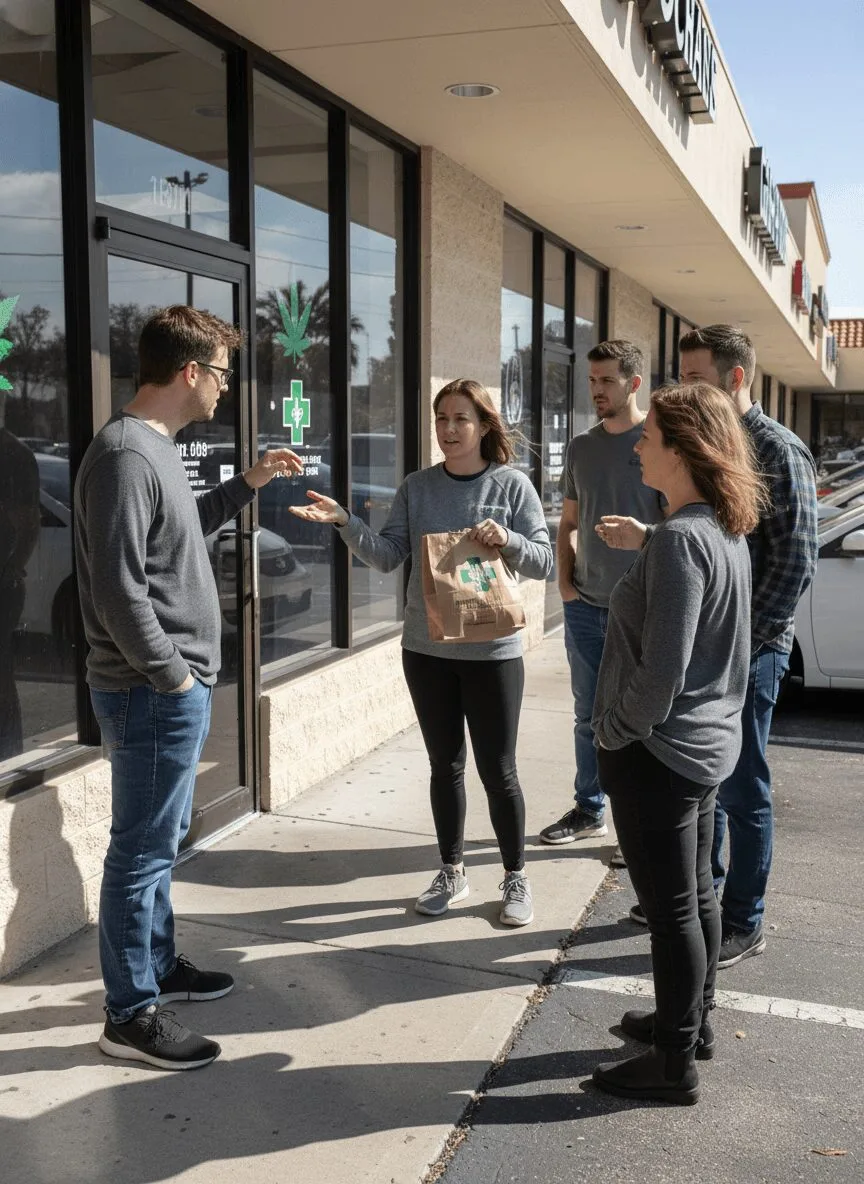
On May 8, 2026, the Palm Bay City Council voted to enact a sweeping ban on the opening of any new medical marijuana dispensaries, according to Florida Today. The move doesn’t shutter current dispensaries, instead, it freezes the market, blocking fresh competition and new access points for patients. City leaders cited concerns about ‘over-concentration’ of cannabis outlets, potential impacts on neighborhood character, and ambiguous regulatory alignment at the state level. The new rule means Palm Bay’s existing dispensaries—like Trulieve and Surterra, which already serve thousands—will stay open, but nobody else can enter the market for now.
The ordinance arrived just as patient enrollment is climbing in Florida, and while the state legislature inches closer to broadening adult-use legalization. Many Palm Bay residents and registered medical marijuana patients were caught off guard, voicing worries at recent city council meetings. Some pressed for more dispensary choices to boost competition, while others feared the ban could limit future access if population or demand grows. Lawyers representing both patients and cannabis companies have already hinted at potential legal challenges. This real-time clash between local rules and state medical cannabis policy puts Palm Bay right at the heart of Florida’s evolving cannabis map and mirrors broader legal shifts affecting dispensary access, not unlike the regulatory challenges witnessed with New York cannabis licenses in 2024.
Expert Analysis and Industry Insight
So, what’s the real deal here? Why does a local ban grab so much attention, and what should patients think? For starters, the Palm Bay dispensary ban adds new friction just as Florida’s patient base soars. With nearly 900,000 registered medical marijuana cardholders statewide, access is critical. According to the respected MJBizDaily, Florida remains one of the fastest-growing legal markets in the U.S.
But, as industry consultant and advocate Chelsea Smith (quoted in NORML) points out: “Restricting dispensary availability won’t curb demand, it just puts extra pressure on patients needing safe, local access.” When cities lock out new dispensaries, it can lock in a lack of choice and stifle healthy competition, which ultimately doesn’t serve patients well, especially those with mobility or health challenges.
At the same time, the Palm Bay dispensary ban captures anxieties that accompany a still-evolving market. City officials are feeling their way through local politics, neighborhood feedback, and legal obligations, sometimes erring on the side of restriction. But history and research—like the Brookings Institution’s review of other regulated states—show cities that embrace, rather than fight, regulated dispensaries actually report improved outcomes on public safety, economic growth, and community health. This public policy debate recalls similar controversies and lessons learned from events such as the THC gummy child incident that sparked greater calls for cannabis safety education.
Looking Forward: Hope, Growth, and Changing Attitudes
The Palm Bay dispensary ban is a challenge, no doubt. But the cannabis movement has always thrived in the face of obstacles, speaking truth to stigma and proving the benefits of regulated, medical cannabis access. While Palm Bay’s recent decision signals a local slowdown, there’s reason for optimism. State and national trends point to rising support for legalization, smarter regulation, and broader patient access. As Leafly and industry leaders consistently report, Florida’s cannabis future looks bright—precisely because patient demand and common sense keep outpacing skepticism. The Palm Bay dispensary ban may make things tougher in the short term, but it also fuels advocacy, smarter policymaking, and, hopefully, greater public education. Patients and advocates in Palm Bay know this fight isn’t over—it’s just the latest round. With community engagement and policy evolution, Palm Bay may well become a model for balancing regulation with access, ensuring no patient is left behind as Florida’s cannabis landscape continues to evolve.
Originally reported by: floridatoday.com
3 Comments
Pingback: FBI Virginia hemp lawmaker at center of explosive raid
Pingback: Alabama medical marijuana doctors now accepting patients
Pingback: Cannabis Edibles Older Adults: Why Are More Seniors Trying Them?