



Kentucky medical cannabis lottery: Surprising new findings
Big news just landed in the Bluegrass State—yep, I’m talking about the Kentucky medical cannabis lottery and its fresh batch of results that have captured attention statewide. With cannabis reform bulldozing across the country, this unique, chance-based approach has everyone from patients to advocates—and definitely regulators—leaning in. We’ll break down what’s new, why it matters to anyone following Kentucky’s evolving cannabis scene, and how the lottery could change access and set precedents nationwide.
Kentucky’s Cannabis Landscape: Regulatory Roots & Social Shifts
To fully get the recent Kentucky medical cannabis lottery developments, let’s zoom out and check the regulatory picture. Until recently, Kentucky was known for having some of the strictest cannabis laws in the South, with NORML ranking it among the least cannabis-friendly states. But public opinion has shifted, as recent polls show a growing majority of Kentuckians backing responsible access to medical cannabis (see Courier Journal). With state lawmakers inching toward broader reform, officials rolled out the Kentucky medical cannabis lottery as an interim step while permanent licensing rules get hammered out, a move both practical and controversial. Against the backdrop of regional legalization in states like Ohio and Illinois (see Illinois.gov), Kentucky faces mounting pressure to streamline, regulate, and democratize cannabis access without backlash from conservative stakeholders. Worth noting, high-profile enforcement in nearby areas, like recent large-scale marijuana seizures in Dayton, keeps the debate dynamic in the broader Midwest and impacts attitudes across state lines.
Key Developments: How the Kentucky Medical Cannabis Lottery Unfolded
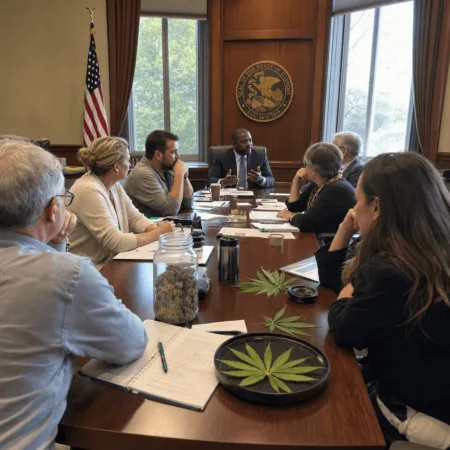
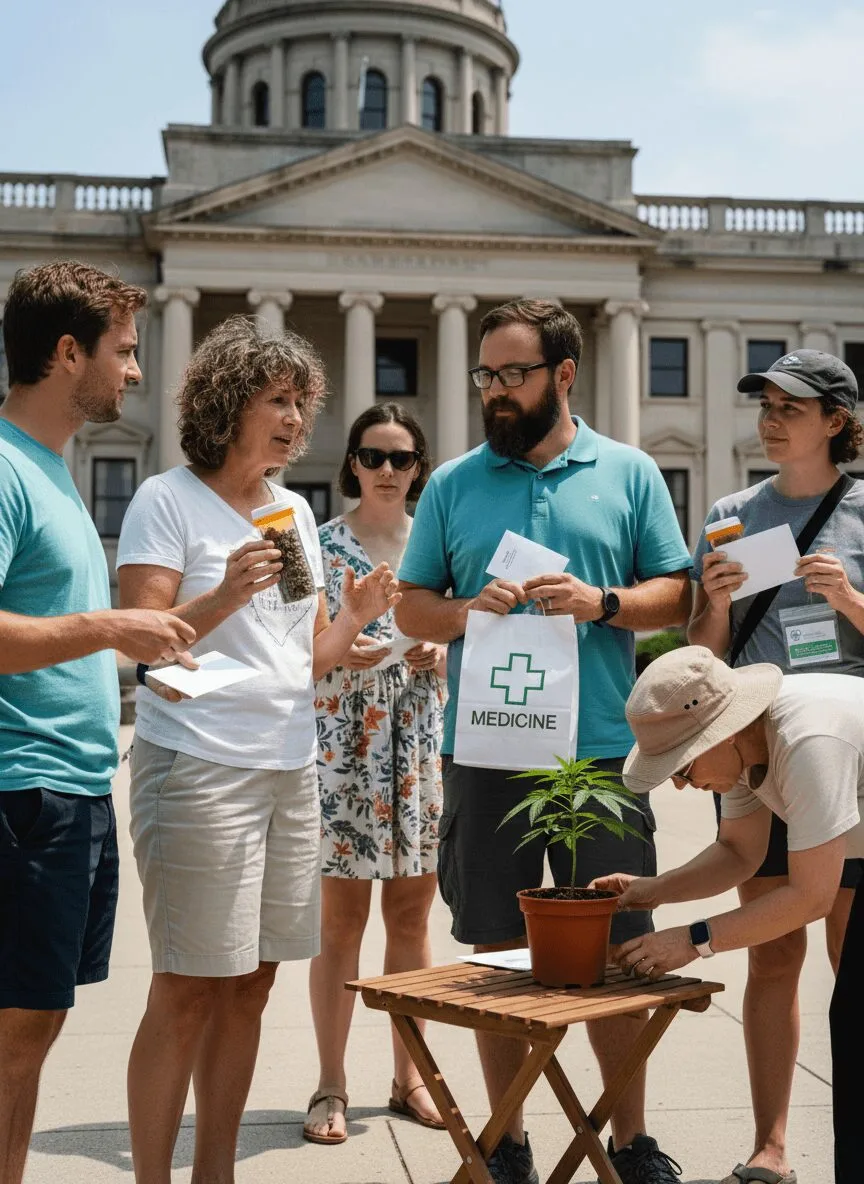
According to WHAS11’s recent coverage, Kentucky’s Department for Public Health released its official findings on the medical cannabis lottery on June 5, 2024. This Kentucky medical cannabis lottery system randomly awarded dispensary licenses and patient access cards after a rigorous application period, drawing both applause and heated debate across the state. Notably, more than 1,200 applicants, ranging from established CBD businesses to first-time entrepreneurs, entered for fewer than 40 available dispensary slots. Major takeaways include:
- Diverse winners reflecting both large, existing operators and small, community-based applicants
- Lottery overseen by state officials using audited, transparent procedures
- Patient advocates noting increased (but still limited) access across several underserved rural counties
- Concerns voiced by applicants excluded from the selection due to randomization rather than merit
In line with ongoing nationwide concerns, it’s crucial to recognize that high-stakes licensing competitions elsewhere have led to lawsuits and market shakeups in Missouri. The findings, published in full by the Department of Public Health, offer granular details on ticket counts, the reviewer process, and avenues for appeals, all critical for transparency in Kentucky’s medical cannabis landscape.
Expert Insights: Implications, Industry Moves, and the Bigger Picture
So what does the Kentucky medical cannabis lottery really mean going forward? For patients, it’s all about access, and for operators, it’s about cracking a notoriously tough market. According to Marijuana Moment, lotteries are rare but not unheard of, especially in states where demand outpaces facility licenses. Industry observer and founder of MCN Cannabis Network, Jonas Rosenberg, told Hemmings, “This kind of randomization levels the playing field, but doesn’t always ensure the best operators win. Kentucky deserves transparency and patient-first results.” While some fear merit-based application reviews might better serve patients, lottery defenders point to lowered barriers for new, smaller entrants—critical for building a truly local industry. Many advocates connect Kentucky’s draw to similar moves in Illinois and Missouri, where efforts prioritize social equity and dismantle entrenched monopolies (Leafly: Social Equity Lotteries). Still, the road isn’t all smooth, with logistics, patient wait times, and ongoing legal challenges persisting. Meanwhile, stories of hope—such as those chronicled in cannabis cancer care journeys—underscore why continued progress and robust oversight remain top priorities. Cannabis journalists at Cannabis Business Times stress the importance of regular review, stating, “Lotteries can protect against cronyism, but robust oversight is a must.”
What’s Ahead: Kentucky’s Green Horizon
Despite bumps in the trail, the Kentucky medical cannabis lottery marks a big leap forward. By laying bare every step of the random selection, state leaders have delivered a degree of openness rarely seen in cannabis rollouts. It’s just the start, but as more folks get access and more diverse operators set up shop, Kentucky is positioning itself as a state to watch. National eyes are on how the Bluegrass State manages its next wave of cannabis reform—especially as demand grows and patients demand a fair shot. Recent analysis by Forbes highlights Kentucky in the broader trend of expanding access throughout the American South. That’s change worth celebrating, and it’s happening right now, right here, with Kentucky at the center of the conversation.
Originally reported by: whas11.com