

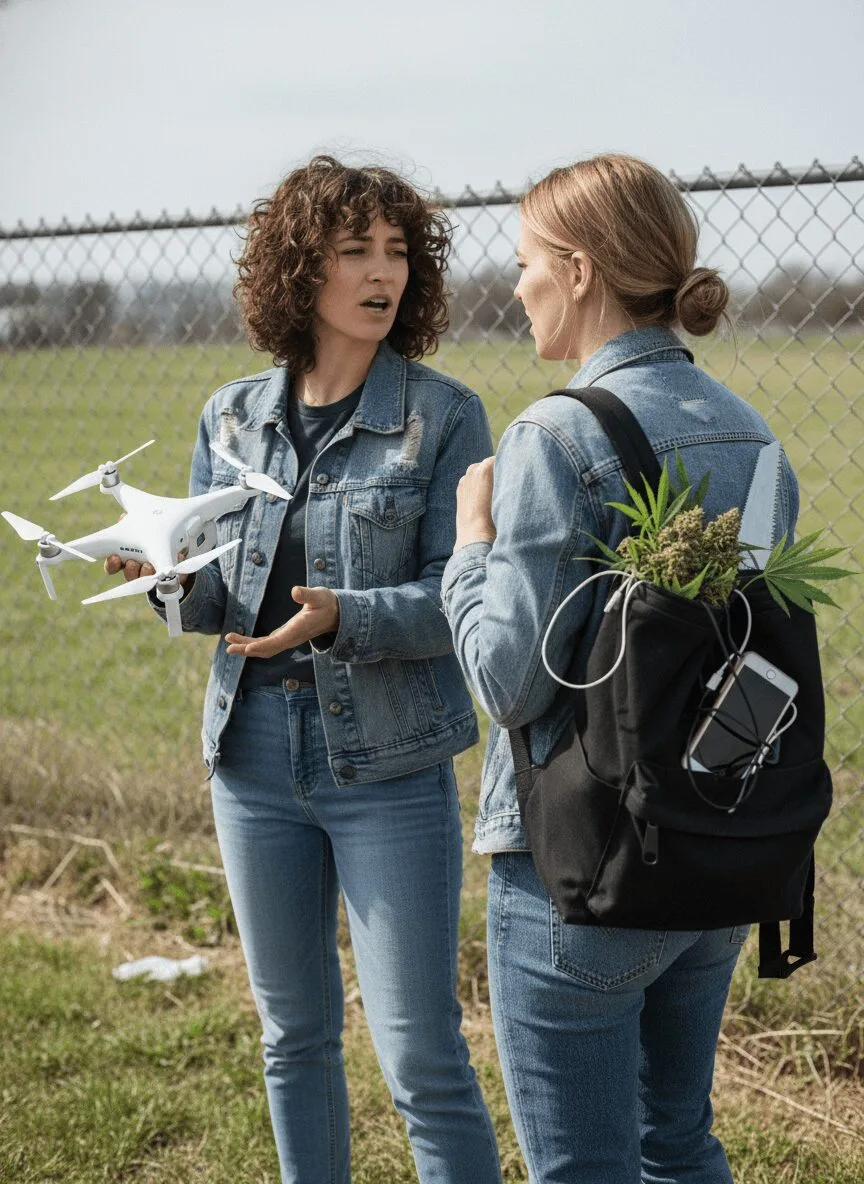
Shocking Drone Prison Contraband Arrest: Marijuana & Phones Seized
The world of cannabis culture is always shifting, and the drone prison contraband arrest in Georgia puts a spotlight on how high-tech tactics are impacting both the cannabis industry and public debate. In an era where marijuana policies are in flux and smuggling methods keep evolving, this headline-grabbing event raises serious questions about technology’s double-edged sword. From cannabis legalization to criminal justice reform, let’s break down why this matters right now—and what it means for the future.
The Regulatory Maze: Cannabis Laws, Prisons, and Drones
Cannabis goes by many names, and its legal history in the U.S. is both lengthy and convoluted, especially in southern states where strict rules persist even as underground demand stays strong. According to the National Organization for the Reform of Marijuana Laws (NORML), Georgia still enforces some of the nation’s toughest marijuana penalties, while reform is slow and unpredictable across the South. Corrections facilities have become battlegrounds for smuggling as drone regulations attempt to keep up with rapid advances. State and federal agencies have scrambled to refresh security protocols after high-profile drone-smuggling cases attracted the attention of policymakers and the public. With this patchwork of policies and ongoing high demand, stories such as the recent drone prison contraband arrest reflect how outdated regulations have opened the door to creative smuggling attempts. At the same time, evolving cannabis consumption trends and consumer preferences are shaping new debates, not just about legality but about wellness—something highlighted in discussions about natural plant-based stress relief options.
Drone Prison Contraband Arrest: The Georgia Incident Unpacked
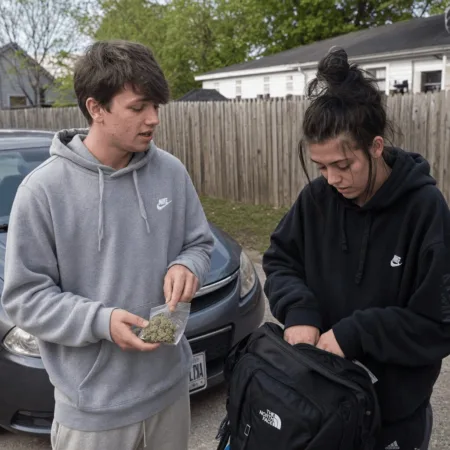
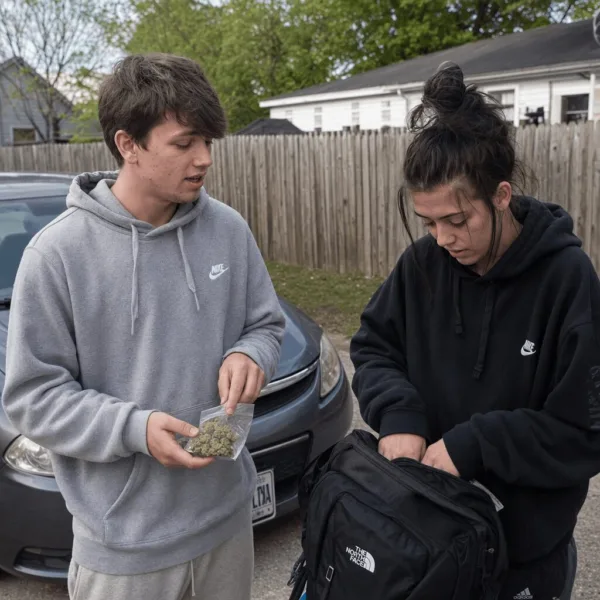
The details are as astonishing as the headlines: According to WSBTV, two women were arrested near Smith State Prison in Glennville, Georgia in early June 2024 after attempting to use a compact drone to fly marijuana, cell phones, and even saw blades over the fence. Guard vigilance led to the discovery of a backpack containing marijuana buds, leaves, and assorted electronics, foiling this meticulously planned operation before the contraband made it onto prison grounds. Officers described the scene—phones, saw blades, and illicit goods—ready for drone delivery. This drone prison contraband arrest is just one of several similar cases nationwide, showing how advancing technology is exploited in the absence of clear legal access to cannabis. The growing intersection of technology and the cannabis market also fuels interest in legitimate career and economic opportunities as highlighted in coverage of major industry events such as this cannabis career networking fair in Massachusetts, reminding us that reform and enterprise go hand-in-hand.
Expert Analysis, Industry Impact, and Cannabis Counterpoints
This drone prison contraband arrest sheds light on significant gaps between cannabis prohibition and modern enforcement. Flying contraband into a correctional facility is bold—and criminal—but reflects the real-world impact of policies that lag behind shifting attitudes. As Leafly summarizes, “Studies across multiple states show that legal, regulated cannabis markets can dramatically reduce black-market demand and related criminal activity.” Expert voices, like Dr. Ethan Nadelmann, founder of the Drug Policy Alliance, have noted: “You can’t police your way out of demand for a product people want, regulation and education are a lot more effective than walls and fences.” Policy advocates now argue that bringing cannabis regulation current would not just help consumers, but reduce the frequency and gravity of incidents such as Georgia’s headline-capturing drone prison contraband arrest. Instead of outpacing new smuggling tactics, correctional systems might join the call to reexamine outdated bans and focus on policies that genuinely reduce harm. The real challenge lies not only in preventing marijuana from entering prisons, but in embracing innovative, evidence-based solutions—for example, some medical and treatment breakthroughs that are coming to public attention, like recent studies on psilocybin’s value in addiction therapy—that challenge long-held assumptions in criminal and health policy.
Looking Ahead: Cannabis Reform and Smarter Solutions
Is this wild drone prison contraband arrest just another blip on the cannabis culture radar, or a sign of much bigger change to come? The truth is: as more Americans—and lawmakers—recognize the failures of prohibition, demand for regulatory reform and social acceptance grows. Recent research by the Pew Research Center shows nearly 9 in 10 Americans support some form of cannabis legalization. Stronger, smarter laws would cut down on smuggling, improve public safety, and redirect resources from enforcement to education and support. For cannabis advocates like me, the real takeaway is simple: incidents like the drone prison contraband arrest reflect a broken system that’s ripe for change. If we want fewer flying backpacks and more responsible communities, it’s time to leave paranoia in the past and move toward practical, fair cannabis policies for all.
Originally reported by: wsbtv.com