





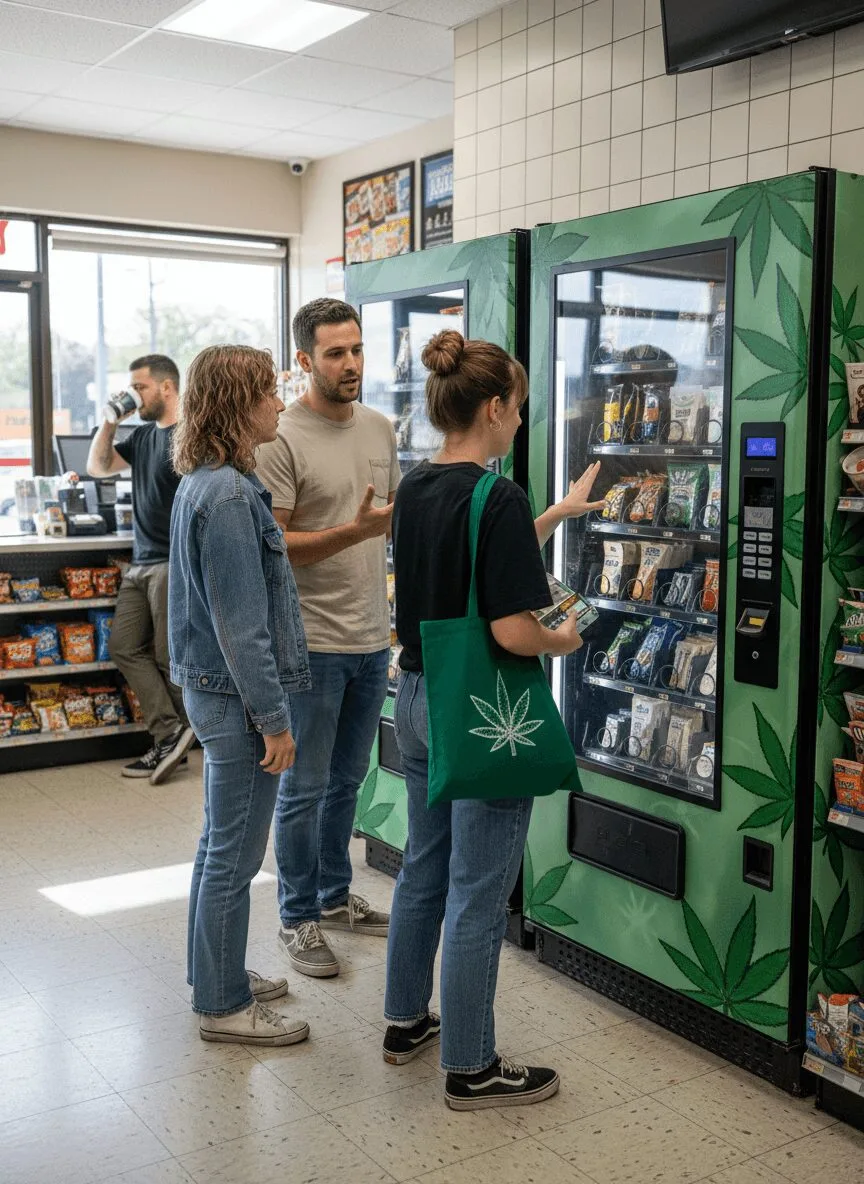
Illegal Marijuana Vending Machines Fuel Massive New Jersey Bust
If you’ve been tracking cannabis market trends, you know New Jersey’s been buzzing with activity. But lately, it’s not just about legal dispensaries and adult-use launches. The rise of illegal marijuana vending machines has taken center stage—leading to one jaw-dropping crackdown that’s got the entire industry talking. Today, we’re breaking down what happened, why vending machines are so controversial, and what it all means for cannabis in Jersey and beyond.
Understanding the Legal, Regulatory, and Social Backdrop in New Jersey
New Jersey’s cannabis landscape has seen significant changes since voters approved recreational use in 2020. Authoritative sources like Leafly document how the state introduced a legal framework intended to support equity and suppress unregulated trade. Recent enforcement actions against unlicensed operations in other states highlight similar issues with gray markets nationwide, showing how loopholes can be exploited by vendors. While licensed dispensaries foster legitimate economic opportunities, the temptation to bypass regulations with illegal marijuana vending machines, offering fast and anonymous sales, continues to draw those frustrated with stringent access barriers. Communities remain divided—where some view such machines as minor shortcuts, others express concern about youth access and the risks of unregulated products. Regulatory friction persists as law enforcement and state oversight struggle to keep pace with ongoing innovation in the cannabis sector.
Major Developments: From Secret Machines to Courtroom Drama
According to reporting from the New York Post and confirmed by local authorities, the controversy peaked in April 2026. Prosecutors revealed a local man was operating a network of illegal marijuana vending machines throughout multiple Essex County convenience stores. The operation reportedly earned up to $20,000 daily, avoiding detection by blending with typical vending sales. Law enforcement executed raids on April 24, confiscating machines and records. Over $500,000 in cannabis was distributed illicitly, completely outside New Jersey’s licensed market. Authorities clarified that no legitimate cannabis businesses were implicated, but stressed these machines lacked oversight for product safety, age checks, and tax compliance. Similar crackdowns have been underway nationwide, reflecting the wider regulatory effort to close gaps exposed by illegal actors. The main suspect currently faces felony charges tied to unlawful distribution and tax evasion.
Expert Insight: What This Means for Cannabis—and the Black Market
Industry veterans are unsurprised by these developments—illegal marijuana vending machines have emerged as a direct result of regulations struggling to meet demand. As discussed in a recent Marijuana Moment article, Steve DeAngelo, a respected cannabis advocate, says, “When access is restricted or overly complex, entrepreneurs—sometimes with good intentions—find creative ways to fill the void.” These dynamics have fueled renewed debates about the impact of cannabis-related activities on communities, as well as the challenges of maintaining quality and public trust when legal frameworks lag behind innovation. Experts argue that, although high-tech vending could ultimately help normalize cannabis, sidestepping legal requirements threatens both consumer safety and reform momentum. As more states mature their regulatory models, quality control and transparency in retailing will be critical to ensuring responsible growth and preventing the types of issues New Jersey is now experiencing.
Looking Ahead: Opportunity, Reform, and a Brighter Future for Legal Cannabis
While stories like New Jersey’s illegal marijuana vending machines bust make headlines, they also shine a spotlight on where the industry is headed. With smart reforms and robust oversight, there’s huge potential for legal cannabis vending solutions that balance access, safety, and compliance. Public demand clearly exists, and as NORML points out, continued advocacy is needed to modernize cannabis law while protecting consumers. More transparent, tech-driven solutions—within the legal marketplace—could make awkward, underground vending machine scandals a thing of the past. The next wave of cannabis in New Jersey will almost certainly be more measured, professional, and widely accepted—and that’s something the whole industry can get behind.
Originally reported by: nypost.com

1 Comment
Pingback: Barron's Opinion Week Review: Hits & Misses You Can't Miss