



Trump marijuana rescheduling: Governor’s take shocks PA
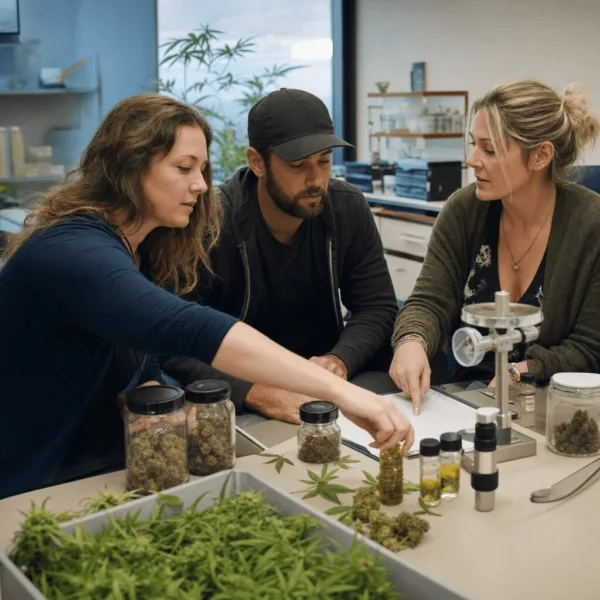
This week, the cannabis scene in Pennsylvania jolted awake thanks to the headline-making conversation around Trump marijuana rescheduling. While national cannabis policy often feels like a distant battle, a recent move by Trump—and the reaction from PA’s governor—brings everything straight to Keystone State’s doorstep. As federal cannabis rescheduling debates pick up steam and more states weigh legalization, this moment puts Pennsylvania’s future in the hot seat. Here’s what to know about the Trump marijuana rescheduling shake-up, what sparked the news, and why advocates aren’t just talking; we’re strategizing.
The Regulatory Landscape: Cannabis Policy, Progress, and Roadblocks
For decades, cannabis lived in the shadow of federal prohibition, blocked by its Schedule I classification under the Controlled Substances Act. Despite overwhelming public support, nearly 88% of Americans favor medical or recreational legality, per Pew Research, yet legal realities don’t always match public will. As the Trump marijuana rescheduling debate reignites hope, moving cannabis from Schedule I to Schedule III could open doors for research, business deductions, and normalization. If you consider how recent DEA marijuana rescheduling discussions could impact not just law, but patient treatment and physician guidance, expect changes in how medical marijuana is treated nationwide. But, as every savvy Pennsylvanian (and canna-pro) knows, rescheduling is no magic wand. States like Pennsylvania still need homegrown legislative action to fully legalize and regulate cannabis, even as the federal conversation evolves. The push and pull between federal and state laws creates a patchwork marketplace and uncertainty for entrepreneurs, patients, and policymakers. Advocates follow federal rescheduling closely, knowing that big moves in Washington can strengthen state-level reform campaigns, but also appreciating that real momentum still depends on local leadership and community engagement.
Key Developments: From Federal Moves to Pennsylvania Reactions
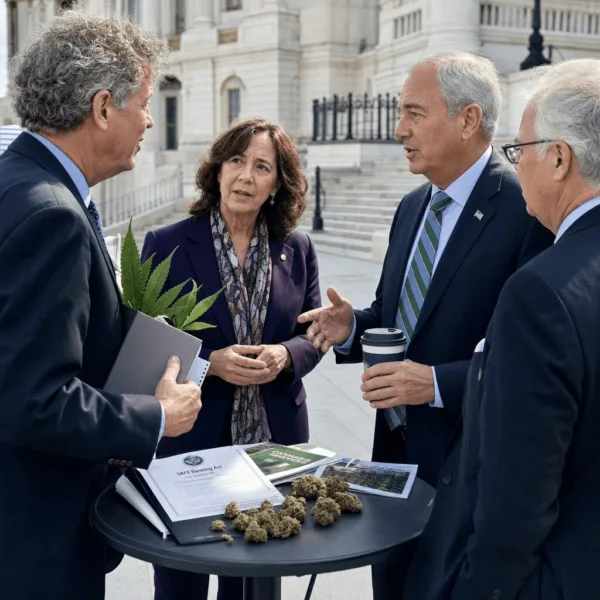
The big headline: Former President Trump’s surprising endorsement of federal marijuana rescheduling reignited debate, shaking up both sides of the political aisle. According to Marijuana Moment, Pennsylvania Governor Josh Shapiro called Trump’s marijuana rescheduling stance “an important step.” Shapiro signaled that this change could boost efforts to legally regulate cannabis across Pennsylvania, where, despite having a robust medical program since 2016, adult-use legalization remains stalled in the state legislature. The federal rescheduling proposal targets a move to Schedule III, a category that finally recognizes the accepted medical use of cannabis, softening some restrictions and opening the door for more research and industry investment. Pennsylvania’s governor highlighted that aligning state and federal policy clears up business headaches and could help fix the state’s gray market woes. Legislative committees in PA are already reviewing bills to legalize adult use, making the Trump marijuana rescheduling news even more timely as lawmakers debate next steps. For an example of how rescheduling might impact state-level discussions and certification hurdles, check out how the DOJ’s cannabis rescheduling moves affect self-certification in D.C. Industry analysts and advocacy groups, quoted in Politico and NORML, describe the move as a catalyst for legislative momentum, not just in PA but nationwide.
Expert Take: What Rescheduling Means Now, and What It Doesn’t
Let’s talk straight. The Trump marijuana rescheduling news makes headlines for good reasons, but doesn’t deliver everything cannabis fans want on a platter. Sure, moving cannabis to Schedule III means it’s officially considered medically useful—an important victory after years of skepticism. For Pennsylvania dispensaries and patients, that could eventually brighten tax treatment and streamline research. Yet even with scientific breakthroughs driving momentum, including university partnerships like groundbreaking cannabis studies at Duquesne University, rescheduling doesn’t legalize adult use, fix social equity gaps, or erase past convictions. As industry veteran Morgan Fox of NORML puts it: “Rescheduling would be a historic step forward at the federal level, but it’s not the silver bullet some hope for. States still have to lead on legalization, equity, and restorative justice.” Among advocacy circles, the consensus is clear: Federal rescheduling is momentum fuel, not a finish line. Pennsylvania policymakers should seize the energy, not sit on the sidelines waiting for DC to handle everything. Expect more advocacy from patient groups, entrepreneurs, and grassroots leaders, all determined to help Pennsylvania realize the full benefits of reform.
Looking Ahead: Pennsylvania, The Cannabis Industry, and Federal Reforms
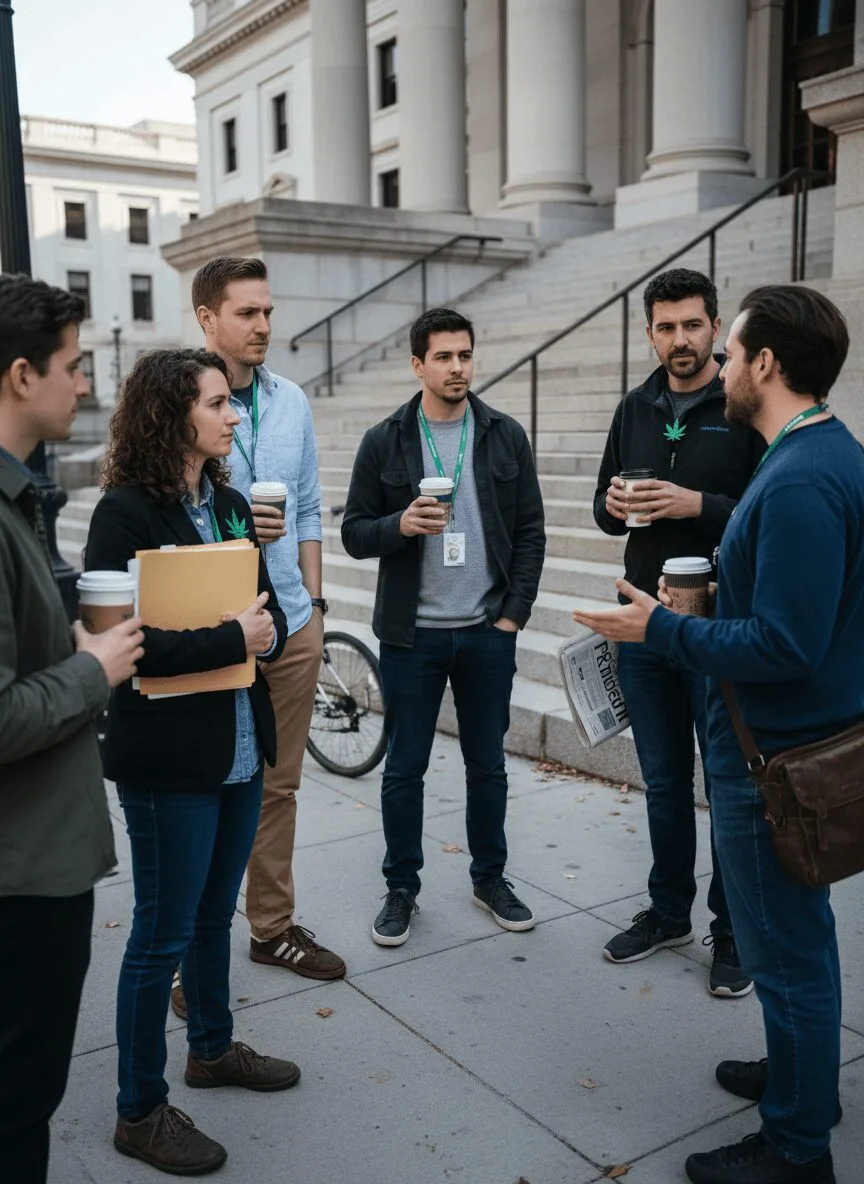
With Trump marijuana rescheduling in the spotlight, Pennsylvania finds itself at a pivotal crossroads. Federal progress is real—and it’s already resonating in Harrisburg. The state’s industry, patients, and reformers are energized, with renewed calls for comprehensive legalization and smarter regulation. As highlighted in Leafly’s recent review of federal cannabis policy, states that act swiftly on reform reap economic rewards and see pronounced gains in public health and criminal justice reform. While rescheduling sets the tone nationally, local action will decide how far and fast Pennsylvania moves. The real opportunity? Combining federal and state energy, breaking the status quo, and finally delivering on the full promise of safe, legal access to cannabis for every Pennsylvanian. With voices growing stronger on both Main Street and Capitol Hill, the Keystone State’s cannabis future looks brighter than ever.
Originally reported by: marijuanamoment.net

3 Comments
Pingback: Cannabis Stocks Best Week: Discover What Drove the Surge
Pingback: Michigan marijuana tax memo: What is Whitmer hiding?
Pingback: Medical marijuana rescheduling: What Terrapin wants now