DEA marijuana rescheduling: What Changed for Cannabis Laws?
Big news, folks: DEA marijuana rescheduling is on everyone’s lips. This move is shaking up the world of cannabis, from local dispensaries to national policymakers. Whether you’re a patient, a canna-curious citizen, or just following the headlines, this shift marks a serious sea change. In this overview, I’ll break down what’s going on, why it’s happening now, and how it could impact everything from prescriptions to public attitudes. Buckle up—the green wave isn’t slowing down.
Setting the Stage: Regulatory Tides and Cultural Currents
For decades, cannabis lingered in a legal limbo, federally illegal, yet increasingly embraced at the state level. The DEA’s stance has put marijuana in the same class as heroin, despite mounting academic research and widespread medical use. Over 37 states now permit some form of medical cannabis, with advocates and legal experts alike pointing to the growing disconnect between federal scheduling and real-world medical practices. Grassroots advocacy efforts in several states, including notable campaigns in Indiana, show how public support has skyrocketed, with a 2024 Gallup poll finding that two-thirds of Americans now favor legalization. This growing momentum puts immense pressure on federal agencies like the DEA to modernize their stance, as demand for access, medical research, and social justice reform continues rising nationwide.
Key Developments: The DEA Marijuana Rescheduling Timeline
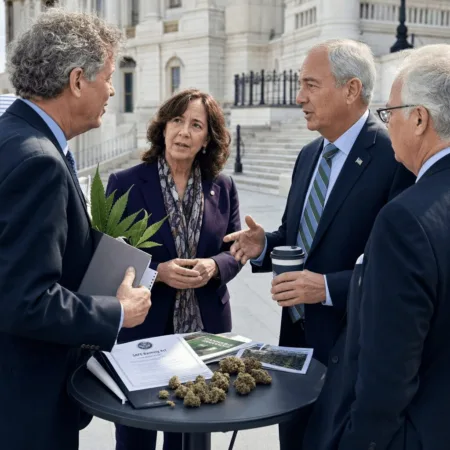
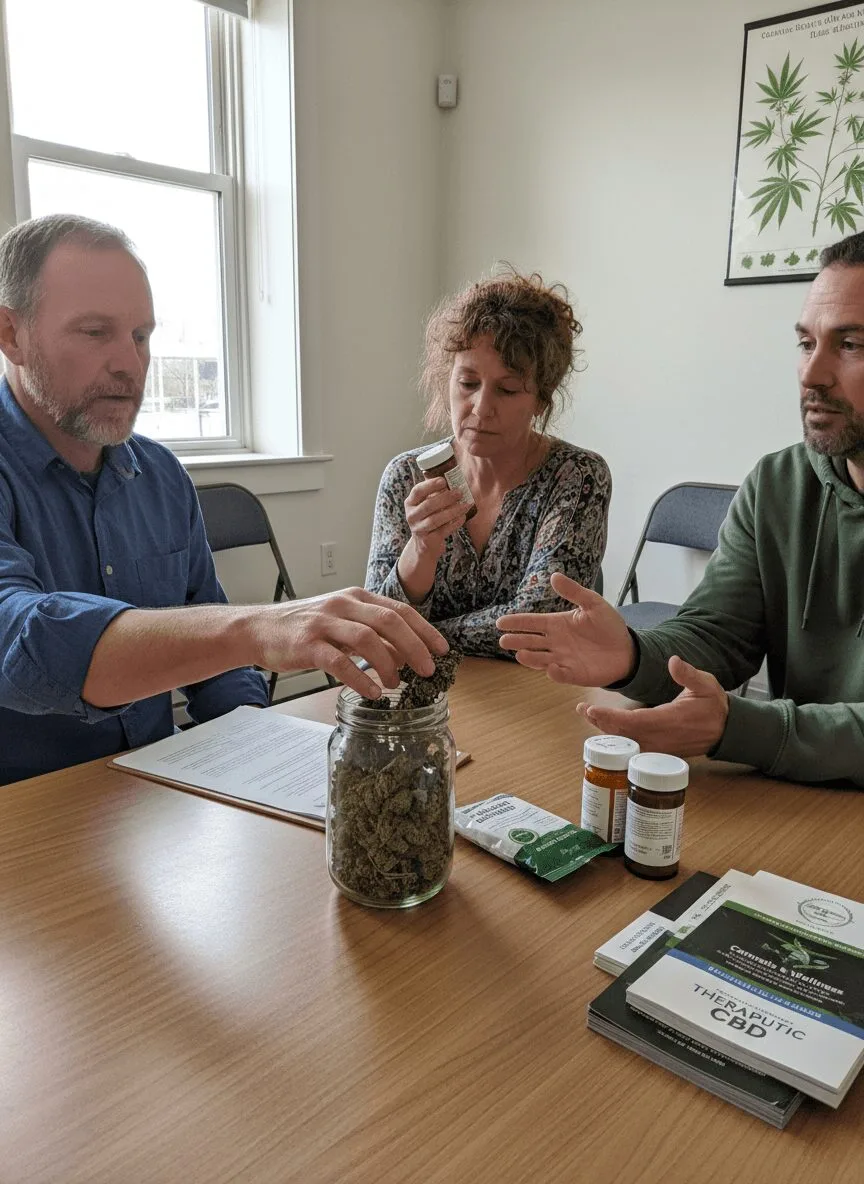
The big headline? Recently, the DEA, with input from the FDA, has officially rescheduled certain FDA-approved marijuana products, marking a historic first. This pivot stems from a combination of bipartisan political pressure, evolving medical guidelines, and mounting evidence confirming cannabis’ medical value.Recent legal filings traced the action to a 2024 push, where the DEA formally acknowledged that medicinal cannabis (specifically products like Epidiolex) should no longer be lumped with Schedule I substances. Now, these medicines move to Schedule V, a much more permissive category, easing access for patients and signaling a readiness for regulatory reform. Experts report that this move, along with broader DOJ cannabis rescheduling efforts, opens the door to further legal changes, wider prescription rights, and increased research funding. For physicians, legal teams, and adult users, the writing is on the wall: federal cannabis policy is finally entering the 21st century.
Industry Insights: What’s the Real Impact?
This isn’t just smoke and mirrors or some minor footnote, DEA marijuana rescheduling fundamentally shifts perception and opportunity. Industry leader Dr. Chanda Macias, writing for mg Magazine, summed it up: “Rescheduling acknowledges what millions already know, cannabis is medicine. It’s time the rules matched the science.” It’s a signal to banks, healthcare providers, and regulators, showing that this is a mainstream issue now. Expect new clinical trials, more robust insurance coverage, and faster product innovation. While not every cannabis product gets a pass, increased research ties back to the latest breakthroughs, like those found in recent university cannabis studies, which may help inform future federal reform. According to Leafly, future moves could further open the door to comprehensive federal reform, as industry optimism runs high but is tempered with realism. After years of red tape and uncertainty, it’s a clear green light to start building a more rational cannabis market, and social stigma is crumbling fast.
The Road Ahead: What DEA Marijuana Rescheduling Means Next
The dominoes are falling. DEA marijuana rescheduling is setting a new bar for cannabis acceptance, paving the way for national change. With continued advocacy and rigorous research, wider access to medical products should follow. The industry expects ripple effects: smoother banking regulations, increased investment, and even mainstream pharmaceutical partnerships. Want proof? Analysts at Cannabis Business Times project sharp upticks in research, safer supply chains, and public safety.
We’re watching history—but this time, it’s greener, smarter, and more community focused. Keep your eye on the news, stay involved, and remember: what once felt like a pipe dream is steadily becoming reality.
Originally reported by: jdsupra.com