




Federal Marijuana Research Colorado: Major Research Breakthroughs
This moment feels like a milestone for anyone invested in cannabis progress—whether you’re in the industry, science scene, or simply passionate about the plant. With federal marijuana research Colorado finally breaking through long-standing barriers, local scientists are poised to lead a new era of transparent, game-changing studies. We’ll dig into what’s enabled this burst of research energy, who’s driving the movement, and how these developments resonate far beyond Colorado’s borders. Buckle up—history’s rolling in fast.
Breaking Down the Backstory: Shifting Federal Attitudes, Colorado’s Role
For years, cannabis research has faced thick regulatory fog across the United States. The plant’s federal Schedule I status essentially boxed out robust scientific investigation, limiting how and where studies could happen. This was more than red tape, it stunted progress and left patients, policymakers, and innovators in limbo. Colorado, however, has long been a trailblazer in legalization and cannabis culture. As early as 2012, Colorado’s legal cannabis market attracted national attention and positioned the state as an innovation hub, particularly after the implementation of Amendment 64, documented in reports by NORML and CNN. The same openness to research and policy change can be seen in other states, such as Indiana, which recently signaled shifts in its own medical marijuana landscape following reclassification signals. The game-changer? The recent DEA recommendation to move cannabis to Schedule III, covered widely by sources like Reuters. This upgrade both legitimizes and empowers researchers to delve deeper, addressing everything from medical benefits to safety standards. With the federal shackles loosening, federal marijuana research Colorado is at the very heart of a national renaissance in cannabis science.
Major Developments: Colorado Scientists Light Up the Path Forward
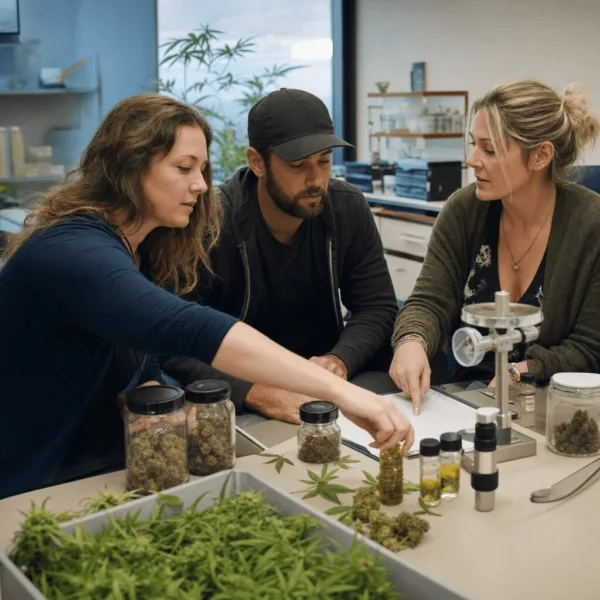
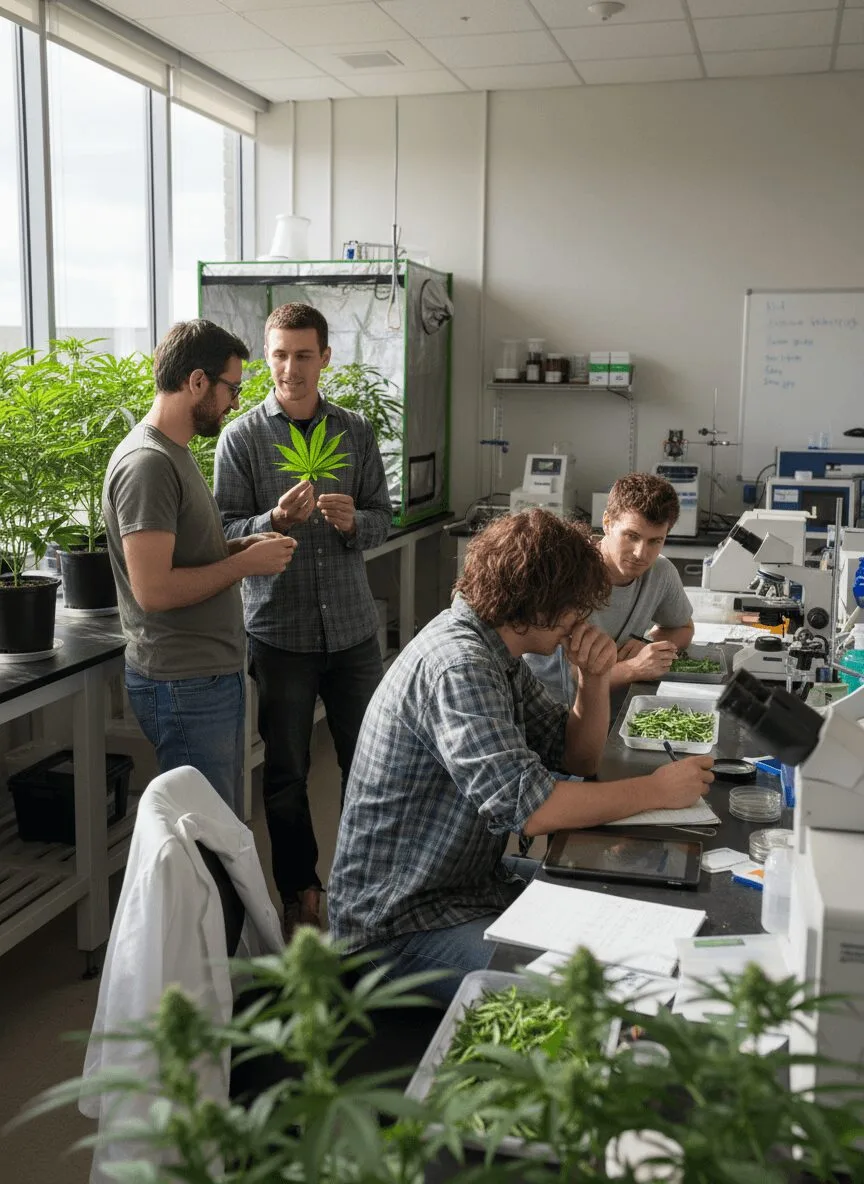
According to recent coverage by 9NEWS Denver, Colorado research institutions are witnessing a tidal wave of new opportunities following the federal reclassification. Labs at the University of Colorado Anschutz Medical Campus and Colorado State University are now launching groundbreaking projects once hindered by federal red tape. April 2024 marked the official recommendation from the DEA, and by May, researchers at CU Anschutz were already applying for multi-million-dollar grants to examine cannabis’s effectiveness for chronic pain, PTSD, and cancer therapy support. This trend of rapidly opening research aligns with broader changes in healthcare, as medical cannabis reclassification shapes a new healthcare era. Dr. Emily Lindley, a prominent pain researcher at CU, explains these studies “weren’t logistically possible under prior federal rules, we finally have access to the plant, not just isolated THC samples.” This historic shift has galvanized partnerships with major Colorado hospitals, biotech startups, and advocacy groups like MAPS. Legal experts from the Cannabis Industry Journal report that grant funding, interstate academic collaboration, and standardized product access have all seen sharp upticks since reclassification began. The effect: federal marijuana research Colorado is now setting the pace for nationwide studies poised to redefine everything from dosing protocols to consumer safety benchmarks.
Expert Perspective: Why Federal Marijuana Research in Colorado Matters
The dominoes are falling exactly as industry insiders have hoped for years. According to industry analyst Alex Kreit, cited by Leafly, “The floodgates are open. Colorado’s research teams have the policy agility and experience needed for world-class cannabis science.” It’s not just about making headlines, it’s about answering the persistent calls from physicians, patients, and policymakers demanding clarity on both risks and benefits. In the words of Dr. Sue Sisley, a well-known cannabis researcher referenced by Forbes, “We can safely say this is the most significant step forward for clinical cannabis research since Prohibition first bound our hands.” Now, with federal marijuana research Colorado leading, universities and biotech companies are leveraging newfound freedom to establish gold standards for dosing, safety, and efficacy. As social equity receives more sharp focus, it’s important to recognize that similar conversations are shaping local policy—like how Wake County’s DA shifts stance on marijuana cases—ensuring the evolving research landscape is accessible to a broader population. Human stories and lived experience increasingly shape these studies, because cannabis impacts all sorts of folks, not just textbook cases or commercial interests. With data flowing, transparency rising, and regulatory support growing, the Rocky Mountains are, quite literally, a high place for cannabis’s future.
Crystal Ball: Colorado’s New Era, the Nation’s Next Wave
Let’s be real: this is only the opening montage. The surge in federal marijuana research Colorado is already reshaping scientific norms, regulatory standards, and even social mindsets. Patients may soon benefit from new therapeutic breakthroughs, while policymakers finally have real data to rely on instead of outdated myths. The entire U.S. is watching Colorado, with peer states and international observers eager to see how these research-driven results play out. Reports from MJBizDaily and Weedmaps News track an upward trend in both economic opportunity and medical engagement, and all signs point to continued momentum. In short: the breakthroughs happening now are just the beginning for Colorado’s role as national research leader. Cannabis advocates, scientists, and everyday users each have a stake in what comes next—so keep your eyes on the front range, because the story of federal marijuana research Colorado is far from rolling its last joint.
Originally reported by: 9news.com
1 Comment
Pingback: FDA accelerated psychedelic therapies: Breakthrough insights revealed