

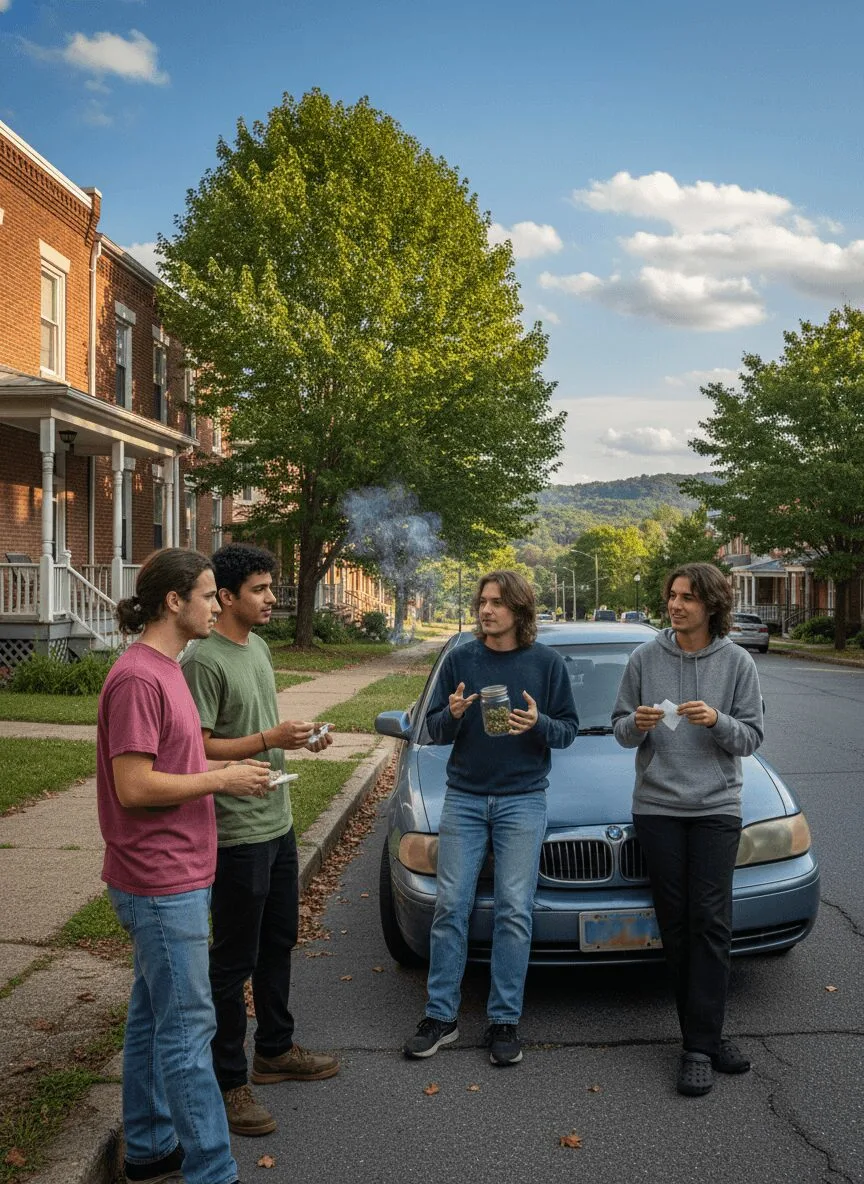
Marijuana Impaired Driving: What West Virginia Officials Urge Now
It’s April, cannabis culture’s most celebrated month, and marijuana impaired driving is taking center stage across West Virginia. With increased cannabis acceptance and 4/20 festivities fast approaching, officials are sounding the alarm about the risks of driving while impaired. Consumers, regulators, and everyday folks now face fresh questions: How should West Virginia respond to changing attitudes and increased cannabis use? This topic isn’t just about new rules; it’s about public safety, evolving social norms, and the growing complexity of the marijuana market. Let’s spark up a thoughtful conversation about marijuana impaired driving—the facts, community perspectives, and where we go from here.
Understanding the Landscape: Regs, Risks, and Culture
West Virginia’s relationship with cannabis remains in flux. Medical marijuana is legal in the state, but recreational cannabis continues to generate heated debate. While the law makes clear that driving under the influence is illegal regardless of substance, enforcement and education around marijuana impaired driving remain complicated. According to the National Conference of State Legislatures, there’s no nationwide standard for marijuana intoxication, making policy especially tricky at the state level. Throw in a patchwork of regulatory updates, local attitudes toward cannabis use, and a surge in dispensary openings, and West Virginia has a dynamic, fast-changing cannabis safety landscape. Public safety messaging is challenged by popular misconceptions in ways reminiscent of states where illicit markets remain strong, and some users mistakenly believe cannabis is ‘safer’ than alcohol when it comes to driving. Recent legislative updates and high-profile media campaigns reflect concerns about keeping roads safe as the market matures. But older stigmas and a new wave of cannabis normalization now coexist, creating a unique regulatory and social environment in West Virginia.
Key Developments: West Virginia’s Official Warnings Ahead of 4/20
So what’s got everyone talking? On April 16, 2026, West Virginia officials issued strong warnings about marijuana impaired driving just before the state’s 4/20 celebrations. In a statement highlighted by WVVA News, law enforcement and health leaders urged the public to rethink cannabis use behind the wheel. State Troopers and the Department of Transportation cited recent accident data showing an uptick in traffic stops involving suspected marijuana use. The timing is key, as ongoing uncertainty in regulatory testing across legislatures plays a role in West Virginia’s enforcement debates: 4/20 is nationally recognized for its cannabis connections, making it both a day of celebration and a target for added safety campaigns. Officers reminded everyone that West Virginia law treats marijuana-impaired driving much like alcohol-impaired driving. Even registered medical cannabis users can face harsh consequences if caught impaired while driving. Officials pointed to new data, provided by state crash investigators and national traffic safety analysts, that shows cannabis-related traffic incidents are on the rise. Emergency room records and anecdotal tales from first responders paint a picture of increased risk during cannabis-heavy holidays. These warnings echo similar initiatives from neighboring states and reflect a nationwide push to educate consumers amid evolving laws and medical access programs.
Cannabis Advocate Insights: The Nuanced Reality
Let’s get real, marijuana impaired driving is an issue that deserves attention, but it’s often oversimplified. It’s true that cannabis can slow reaction time and affect cognitive processing. Still, the science on just how much cannabis use translates to dangerous driving isn’t fully settled. As Leafly points out, studies consistently show a complex mix of factors, such as dose, tolerance, strain, and method all playing a role. What’s clear? Public education should go beyond scare tactics. Expert Paul Armentano, Deputy Director at NORML, notes, “We need nuanced policy, one that addresses genuine risks but recognizes that not all cannabis use is equal, and not all impaired driving is created alike.” Instead of outdated stigma, advocates urge for better impairment detection methods, clearer legal thresholds, and targeted education campaigns. States considering major policy reform, like Pennsylvania, also face the challenge of balancing evolving legalization with road safety. Focusing on evidence-based solutions, such as roadside saliva tests and holistic safety messaging, could move the state forward. Plus, there’s a strong argument for keeping the conversation grounded in facts, not fear. Organizations like the Insurance Institute for Highway Safety continually emphasize context: states that prioritize data-driven approaches tend to see the best road safety outcomes, even as cannabis laws progress.
Looking Forward: Safer Roads, Smarter Policy, and a More Informed Public
The conversation about marijuana impaired driving isn’t going up in smoke any time soon. As cannabis becomes more mainstream in West Virginia, expect more robust discussions about road safety, regulatory clarity, and responsible enjoyment. Ongoing research, smarter education, and honest public debate all lead to better outcomes. According to Marijuana Moment, dozens of states are testing new impairment detection and prevention measures. In West Virginia and beyond, the best path forward is one of balance—recognizing risks, but also embracing the benefits and social changes of cannabis reforms. The next era of cannabis in the Mountain State promises fewer collisions between culture and caution, and more clarity for everyone—proving that, like a well-rolled joint, smart policy is best shared.
Originally reported by: wvva.com