


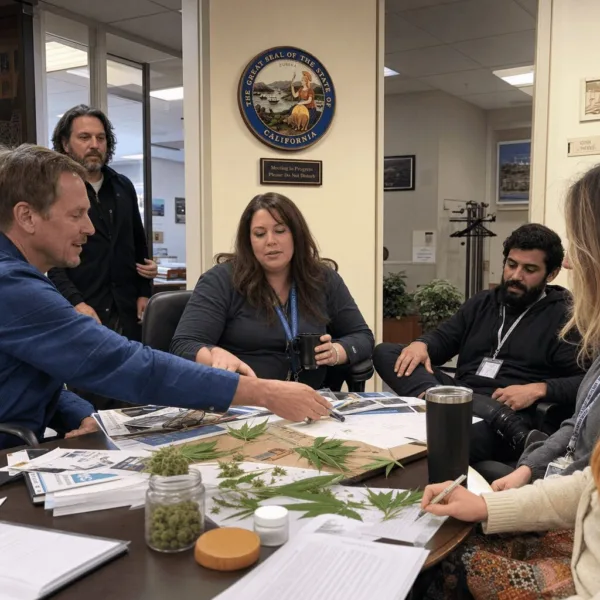



Pennsylvania cannabis legalization is at the center of heated political debates, stirring up fresh energy across the Keystone State. With market trends showing neighboring states raking in millions from legal sales, the question isn’t just if, but when. Recent moves by state lawmakers and watchdogs are making headlines, pushing both pro-cannabis advocates and skeptics to weigh the big-picture impacts. This broad topic matters now more than ever as Pennsylvania faces surging demand, shifting party lines, and growing public support for modernization. Here’s what you need to know about where things stand, why the stakes are high, and how the landscape is shifting.
Historical Background and Context: Where Does Pennsylvania Stand?
To really understand the current Pennsylvania cannabis legalization conversation, it helps to know how we got here. Medical marijuana became legal in Pennsylvania back in 2016, giving more than 700,000 approved patients much-needed relief and helping establish a thriving regulated market. However, adult-use, or recreational, cannabis remains illegal, despite residents’ growing support. Legislative roadblocks, mostly on ideological grounds, have held the state back even as nearby Maryland, New York, and New Jersey moved forward with adult-use legalization, as tracked by NORML. Social attitudes are shifting fast; a 2023 Franklin & Marshall College poll found 61% of Pennsylvanians support full legalization. The economic incentives are undeniable, with neighboring states like New Jersey seeing hundreds of millions in new tax revenue and robust job growth, as reported by MJBizDaily. These economic outcomes mirror recent industry discussions of how sustainable practices and responsible regulations can impact state markets, as seen in current symposium coverage focused on cannabis sustainability and solutions. Most notably, Pennsylvania’s current patchwork laws have led to gray-market complications, out-of-state shopping sprees, and pressure on policymakers to finally modernize state cannabis policy. Changes in party control, generational turnover in the Senate, and competitive market dynamics all set the stage for a legislative showdown unlike any before.
Key Developments and Issues: What Just Happened in Harrisburg?
Recent weeks have seen major waves in the Pennsylvania cannabis legalization drama. On February 8, 2024, Senator Dan Laughlin, a prominent Republican originally supportive of legalization, publicly stated that most GOP senators aren’t interested in advancing adult-use laws any time soon. According to Cannabis Business Times, Laughlin suggested his colleagues view legalization votes as politically risky, preferring to avoid the issue pending changes in federal law or a broader shift in voter priorities, much like how stalled legislative processes around cannabis testing have left critical questions hanging.
This move follows stalled efforts in 2023 to push the Adult-Use Cannabis Legalization Bill, which would allow adults 21+ to possess, purchase, and homegrow limited amounts of cannabis. The bill faced fierce debate from the Senate leadership, who cite federal scheduling as a concern. Key Pennsylvania dispensaries and patient collectives, such as Ethos and Beyond/Hello, have publicly lobbied for legislative clarity and fair market access, as covered by Leafly. Critics claim the status quo is unsustainable and out of touch with both voters and modern economics. Meanwhile, surrounding states’ open markets and cross-border sales are draining Pennsylvania of potential tax windfalls and fueling calls to action. Even leading medical operators are hosting forums to build bipartisan support and challenge deep-rooted misconceptions.
Expert Analysis & Pro-Cannabis Counterpoints
Despite recent setbacks, experts say Pennsylvania cannabis legalization is less a matter of “if” and more of “when.” Industry insiders highlight the irony: by refusing reform, the state effectively subsidizes out-of-state economies while failing to address social justice issues stemming from prohibition. Krista L. Shah, a respected attorney specializing in cannabis law, notes: “Delay only perpetuates inequities and missed financial opportunities. The longer Pennsylvania waits, the harder it is to regain lost market share.” (Marijuana Moment coverage).
There’s also a compelling argument that bipartisan solutions are within reach. The state’s medical industry already proves cannabis can be regulated, taxed, and managed with integrity, minimizing black market activity and promoting public health. Discussions in other states show that as research laws face critical hurdles and new regulations are considered, breaking down institutional barriers remains a top concern for effective cannabis reform. Data consistently show legalization doesn’t equate to rampant use or crumbling communities. Instead, as NORML and other respected research outfits have reported for years, legalization often leads to better resource allocation and reduced criminal justice disparities. While Senate gridlock is real, advocates remain bullish. Proposals for improvement include incremental bills, safe harbor measures, and ongoing education for hesitant legislators—many of whom will ultimately bow to the economic, social, and political math now favoring reform. Public advocacy groups and leading academic voices urge a focus on regulatory best practices and lessons learned from neighboring states, ensuring Pennsylvania avoids common rollout pitfalls.
Future Outlook & Conclusion: Lighting the Way Forward
Pennsylvania cannabis legalization is at a tipping point. The blend of rising public demand, regional competition, and irrefutable economic incentives is forcing lawmakers to reconsider entrenched positions. National trends show steady movement toward wider cannabis acceptance and regulation. Seasoned observers expect Pennsylvania to catch the wave, modernizing both law and industry to reflect contemporary realities.
According to Leafly’s legalization map, the majority of US states are already reaping the benefits of regulated cannabis sales. As the 2024 session unfolds, local advocates and industry leaders will keep pushing for common-sense reform that supports patients, entrepreneurs, and communities alike. The journey isn’t over yet, but the finish line looks ever closer. For now, the focus remains on navigating the Senate’s internal dynamics, educating holdouts, and ensuring Pennsylvania’s eventual legalization is done right—for everyone.
Originally reported by: cannabisbusinesstimes.com



1 Comment
Pingback: Minnesota hemp application deadline: Don’t Miss Your Chance!